Asia Flooring Trends in the Asian Market
The Asian market has always been an exciting space for the flooring industry. With its mix of modern urbanization, cultural diversity, and rapid economic growth, the region presents unique opportunities—and challenges—for flooring businesses looking to expand. Over the years, trends have evolved quickly in this dynamic market. Whether you’re exploring new business opportunities or simply want to stay ahead of the curve, understanding these trends is essential. As the organizer of DOMOTEX asia/CHINAFLOOR, the leading international B2B floorcovering trade show in the Asia-Pacific region, we’ve witnessed firsthand the shifts and innovations shaping the industry. Today, let’s dive into the key flooring trends in Asia and what they mean for your business—breaking down what you need to know in simple, actionable terms.
Why Asia Is a Hotspot for Flooring
Asia’s growth story is phenomenal. Home to some of the fastest-growing economies and a significant portion of the global population, the region offers a vast market for flooring solutions. According to a report by Grand View Research, Inc., the Asia Pacific flooring market is anticipated to reach USD 190.64 billion by 2030 and expand at a CAGR of 6.0% during the forecast period. Seveal factors make Asia an unmissable market for flooring businesses:
What Makes Asia Stand Out
Rapid Urbanization: Cities across Asia are expanding at an unprecedented rate, fueling demand for residential and commercial flooring. From sprawling metropolises like Shanghai and Mumbai to emerging urban centers in Vietnam and Indonesia, new construction projects—both residential and commercial—are driving consistent demand for quality flooring solutions.
Rising Disposable Incomes: A growing middle class means increased spending on home improvement and luxury flooring options. Consumers in countries like China, South Korea, and Singapore are willing to invest in premium, aesthetically pleasing flooring that enhances their living and working spaces.
Diverse Needs: From ultra-modern designs in urban areas to traditional aesthetics in rural regions, Asia’s flooring requirements are incredibly varied. Whether it’s the minimalist preferences of Tokyo’s urban dwellers or the intricate, handcrafted designs favored in India and Indonesia, catering to this diversity is key to success.
Booming Construction Industry: The growing construction industry, coupled with the increasing population in Asian countries including China, India, Japan, Indonesia, and Vietnam, is a primary driver of market growth. Ongoing development of infrastructure, commercial spaces, and residential buildings creates a steady pipeline of demand for flooring products.
Understanding these factors can help you tailor your offerings to specific market segments and capitalize on the region’s growth potential.
Key Flooring Trends Shaping Asia’s Market
The Asian flooring market is evolving at a rapid pace, with sustainability, innovation, and customization taking center stage. Below are the top trends that are redefining the industry and opening up new opportunities for businesses:
1. Sustainable Flooring Is Non-Negotiable
Across Asia, there’s a growing awareness of environmental issues, and consumers—along with businesses—are increasingly seeking eco-friendly flooring options. This trend is particularly pronounced in countries like Japan, Singapore, and South Korea, where sustainability is woven into the culture and regulatory frameworks. Even in emerging markets like India and Vietnam, demand for green flooring is on the rise as environmental consciousness grows.
Key Sustainable Trends in Asia
Bamboo Flooring: As a locally sourced and renewable material, bamboo is gaining immense popularity. It’s fast-growing, durable, and offers a natural aesthetic that resonates with consumers looking for eco-friendly alternatives to traditional wood.
Recycled Materials: Tiles, laminates, and carpets made from recycled content are making waves. Manufacturers are leveraging recycled plastic, rubber, and even reclaimed wood to create flooring products that reduce environmental impact without compromising on quality or design.
Low-VOC Products: Flooring with low volatile organic compounds (VOCs) is increasingly in demand, as consumers prioritize healthier indoor environments. This is especially relevant for residential spaces, schools, and healthcare facilities, where air quality is a top concern.
Natural & Renewable Materials: Materials like cork, linoleum, and rubber are seeing increased adoption due to their sustainability credentials. These materials are biodegradable, renewable, and offer excellent performance characteristics, making them ideal for both residential and commercial applications.
At DOMOTEX asia/CHINAFLOOR, we’ve seen a surge in exhibitors showcasing sustainable flooring solutions—from bamboo manufacturers to brands specializing in recycled vinyl. Incorporating sustainable products into your portfolio isn’t just a “nice-to-have” anymore; it’s a necessity to remain competitive in Asia’s evolving market.
2. Luxury Vinyl Tiles (LVT): The Versatile Favorite
Luxury Vinyl Tiles have emerged as a dominant force in Asia’s flooring market, and for good reason. They’re affordable, stylish, and versatile—perfect for the region’s diverse preferences and challenging climates. LVT’s ability to mimic the look of wood, stone, or even marble at a fraction of the cost has made it a top choice for both residential and commercial projects.
Why LVT Is Thriving in Asia
Durability: LVT is highly resistant to scratches, stains, and wear, making it ideal for high-traffic areas like malls, offices, airports, and residential spaces with children or pets.
Aesthetic Appeal: With advanced printing technology, LVT can replicate the natural grain of wood or the texture of stone with stunning accuracy. This allows consumers to achieve a premium look without the high cost of natural materials.
Water Resistance: Asia’s humid climates—particularly in Southeast Asia—make water-resistant flooring a must. LVT’s waterproof properties make it suitable for bathrooms, kitchens, and other moisture-prone areas, giving it a distinct advantage over traditional wood flooring.
Affordability: Compared to natural wood or stone, LVT is significantly more budget-friendly, making it accessible to a wider range of consumers and businesses. This affordability, combined with its durability and style, has driven its adoption across urban and suburban markets.
From posh apartments in Hong Kong to chic cafes in Seoul and office buildings in Bangkok, LVT has become the go-to choice for modern, cost-effective flooring. It’s no surprise that the vinyl segment—including LVT—is a key growth driver in the Asia Pacific market.
3. Customization: Catering to Diverse Tastes
One size doesn’t fit all—especially in Asia. The region’s cultural diversity, varying architectural styles, and climate differences have driven a strong demand for customized flooring solutions. Businesses that can tailor their products to local preferences and specific needs are gaining a competitive edge.
Examples of Customization in Asian Flooring
Traditional Aesthetics: Markets like India, Indonesia, and Malaysia often prefer intricate, hand-crafted designs that reflect local culture. For example, hand-woven carpets with traditional motifs are popular in India, while wooden flooring with carved details is favored in Indonesia.
Climate-Specific Materials: Flooring suited for tropical humidity in Southeast Asia (e.g., moisture-resistant LVT or ceramic tiles) differs from options designed for colder regions like northern China or Japan (e.g., warm wood flooring or heated floors).
Unique Colors and Patterns: Urban centers like Shanghai, Tokyo, and Singapore are trending toward bright, bold designs or minimalist, neutral tones—depending on the space. Commercial projects, in particular, are leveraging custom colors and patterns to create brand-specific environments.
Size and Format Customization: Large-format tiles and planks are gaining popularity for commercial spaces, as they create a seamless, spacious look. Meanwhile, smaller, modular tiles are preferred for residential projects where flexibility and easy installation are key.
Offering tailored solutions not only sets your brand apart but also fosters stronger connections with clients who value personalization. At DOMOTEX asia/CHINAFLOOR, we’ve seen exhibitors showcase custom flooring lines that cater to specific regional tastes—proving that customization is a powerful growth strategy.
4. Technology-Driven Innovation
Technology is revolutionizing the flooring industry, and Asia is at the forefront of this transformation. From innovative materials to digital tools that enhance the customer experience, staying tech-savvy is essential for businesses looking to thrive in the region.
Tech Trends to Watch in Asian Flooring
3D Printed Flooring: 3D printing technology is enabling the creation of intricate, one-of-a-kind designs that were previously impossible. This trend is particularly popular in high-end residential and commercial projects, where uniqueness is a priority.
Smart Flooring: Sensors embedded in flooring are gaining traction for smart homes and offices. These sensors can monitor foot traffic, temperature, and even detect leaks—making them ideal for commercial spaces like malls, airports, and office buildings, as well as modern residences.
Digital Marketing and E-Commerce: Online platforms for purchasing flooring materials are growing rapidly, especially in urban markets. Consumers and businesses are increasingly researching and buying flooring products online, making a strong digital presence essential. Platforms like Xiaohongshu are also playing a key role in influencing flooring trends, with designers and homeowners sharing inspiration and product recommendations.
Innovative Manufacturing Processes: Advanced manufacturing techniques are improving the quality and performance of flooring products. For example, large-format porcelain slabs—like those produced by Ceramiche Atlas Concorde S.p.A.’s new plant in Asia—are gaining popularity for their durability and aesthetic appeal.
These technological advancements are not just trends—they’re shaping the future of flooring in Asia. Businesses that embrace innovation will be well-positioned to meet the evolving needs of consumers and stay ahead of the competition.
5. Commercial Projects: A Booming Segment
With urbanization comes an explosion of commercial spaces—hotels, shopping malls, office buildings, airports, and healthcare facilities. The flooring needs for these projects differ significantly from residential spaces, and they’re driving demand for durable, aesthetically pleasing, and low-maintenance solutions.
Popular Choices for Commercial Flooring in Asia
Epoxy Flooring: Known for its durability, chemical resistance, and ease of maintenance, epoxy flooring is ideal for warehouses, industrial spaces, and healthcare facilities.
Carpet Tiles: A staple for corporate offices, hotels, and airports, carpet tiles offer sound absorption, comfort, and easy replacement. They’re also available in a wide range of colors and patterns, making them suitable for branding and design flexibility.
Marble and Granite: A luxury choice for hotels, premium retail stores, and high-end offices, natural stone flooring adds a touch of elegance and sophistication.
Ceramic and Porcelain Tiles: Ceramic tiles dominated the technology segment with more than 23.0% share in 2023, according to Grand View Research. Their scratch and stain resistance, durability, and recyclability make them ideal for commercial spaces with high foot traffic.
The commercial segment is also driving demand for sustainable and smart flooring solutions. For example, hotels and office buildings are increasingly adopting eco-friendly flooring to align with their sustainability goals, while smart flooring with sensors is being used to optimize space utilization and improve safety.
6. Natural Stone: Fastest-Growing Segment
The natural stone segment is expected to grow at the fastest CAGR over the forecast period, according to Grand View Research. Natural stone—including marble, granite, limestone, and travertine—offers unparalleled beauty, durability, and uniqueness, making it a popular choice for high-end residential and commercial projects.
In Asia, natural stone is particularly favored in countries like China, India, and the UAE, where luxury and status are important. The growing number of luxury hotels, resorts, and high-end residences is driving demand for natural stone flooring, as it adds a sense of opulence and timelessness to spaces. Additionally, advancements in processing technology have made natural stone more affordable and accessible, further fueling its growth.
Challenges to Navigate in Asia’s Flooring Market
While Asia offers immense opportunities, it also comes with its fair share of challenges. Being aware of these hurdles and preparing accordingly is key to success:
Regulatory Complexity: Different countries have varying rules and standards for flooring materials—including environmental regulations, safety standards, and import/export requirements. It’s essential to research and comply with local regulations to avoid delays or penalties.
Logistical Issues: Managing supply chains across vast geographies can be tricky. Asia’s diverse terrain, varying infrastructure, and long distances can impact delivery times and costs. Partnering with reliable logistics providers and establishing local distribution networks can help mitigate these challenges.
Cultural Sensitivities: Missteps in understanding local preferences and cultural norms can hurt your brand. For example, certain colors or patterns may be considered offensive in some cultures, while traditional designs may be highly valued in others. Investing in market research and local partnerships can help you navigate these sensitivities.
Competitive Landscape: The Asian flooring market is highly competitive, with numerous local and international players. Local manufacturers often have an advantage in terms of cost and distribution, so it’s important to differentiate your brand through innovation, quality, and customization.
FAQ: Key Questions About Asia’s Flooring Market
Q: What is the projected growth of the Asia Pacific flooring market?
A: The Asia Pacific flooring market is anticipated to reach USD 190.64 billion by 2030, expanding at a CAGR of 6.0% during the forecast period (Grand View Research).
Q:Which product segment dominates the Asian flooring market?
A:Ceramic tiles dominated the technology segment with more than 23.0% share in 2023, thanks to their scratch resistance, durability, and recyclability. The natural stone segment is expected to grow the fastest.
Q:What are the most popular sustainable flooring options in Asia?
A:Bamboo flooring, recycled material flooring, low-VOC products, and natural materials like cork and linoleum are the most popular sustainable options in Asia.
Q:Why is LVT so popular in Asia?
A:LVT is popular due to its durability, aesthetic appeal (mimics wood/stone), water resistance (ideal for humid climates), and affordability compared to natural materials.
Q:Which countries are the key drivers of Asia’s flooring market?
A:China, India, Japan, Indonesia, and Vietnam are key drivers, fueled by their growing construction industries, increasing populations, and rising disposable incomes.
Q:How can DOMOTEX asia/CHINAFLOOR help my business enter the Asian market?
A:DOMOTEX asia/CHINAFLOOR provides a platform to showcase your products to a global audience, network with industry professionals, access personalized business matching, and gain insights into the latest trends and innovations. The show’s international reach and local expertise make it the ideal launchpad for entering or expanding in Asia.
About DOMOTEX asia/CHINAFLOOR
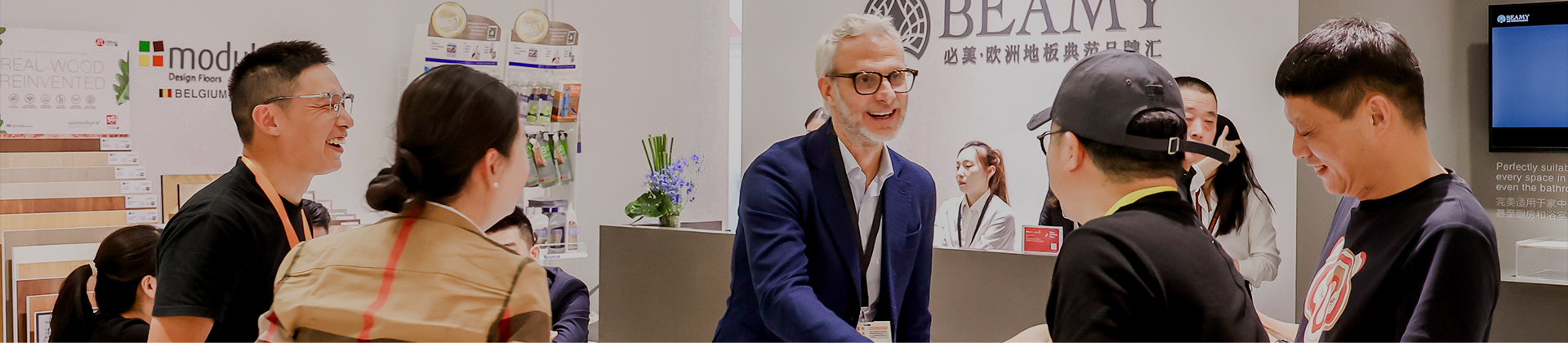
As the leading international B2B floorcovering trade show in the Asia-Pacific region, DOMOTEX asia/CHINAFLOOR is the global meeting point for the flooring industry in Asia. Held annually at the National Exhibition and Convention Center (Shanghai), the show brings together flooring professionals from Asia and across the globe—creating a premier platform to network, collaborate, and showcase cutting-edge products, materials, and technologies.
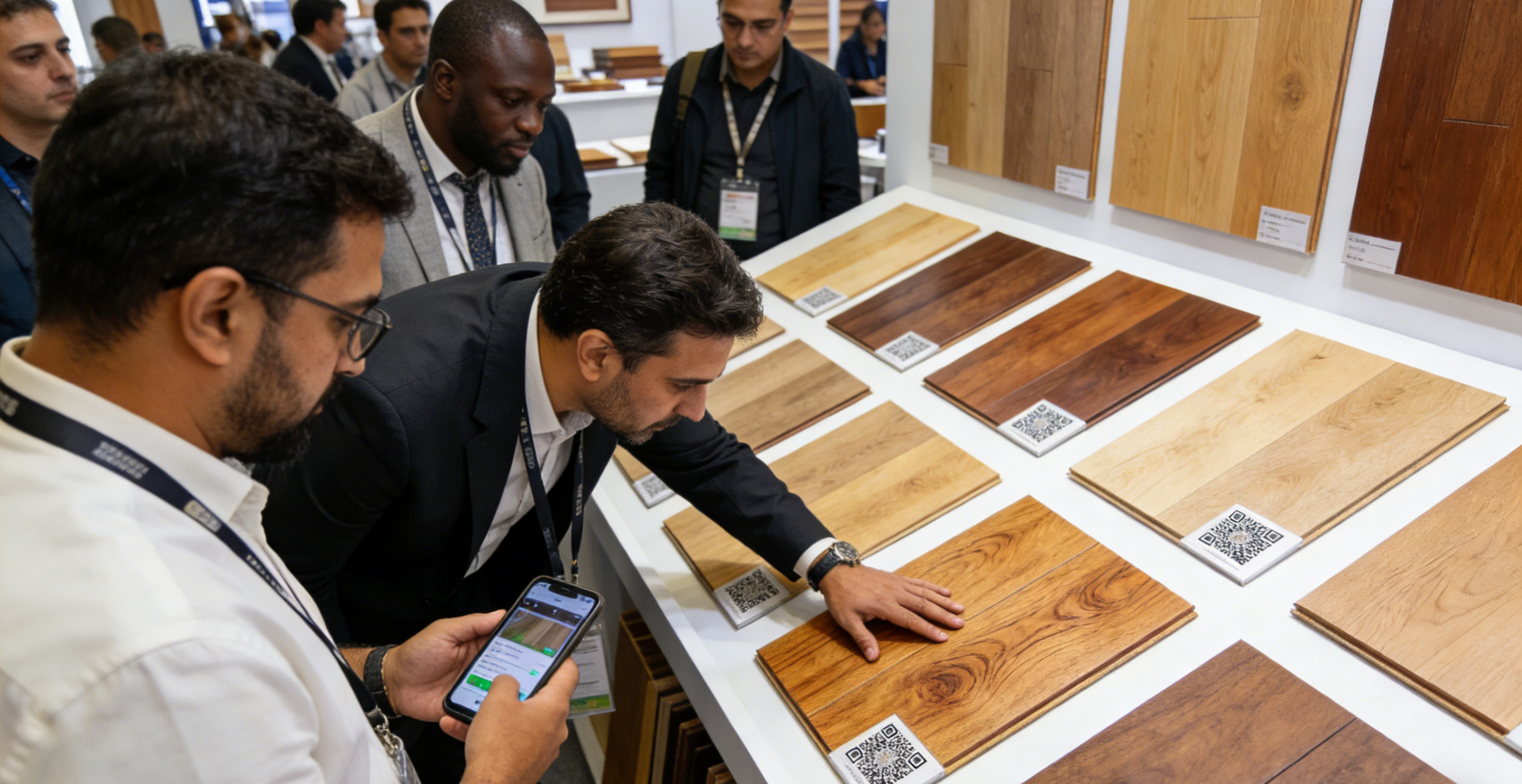
With a sprawling 210,000 sqm exhibiting space, the show attracts over 83,850 total visitors (including 17,923 international visitors from 117 countries) and more than 1,500 companies & brands. From leading global players like Armstrong FLOORING, Gerflor, and Tarkett to prominent Asian brands such as Power Dekor, (Anxin Flooring, and Artemundi, the show features the full spectrum of flooring products and solutions.
DOMOTEX asia/CHINAFLOOR isn’t just an exhibition—it’s an immersive experience. The show’s highlights include exclusive opportunities to:
DISCOVER: Unlock access to the latest innovations, cutting-edge products, and technologies from leading APAC manufacturers.
ENGAGE: Gain insights from industry leaders at the forefront of innovation and exchange ideas that could lead to the next big breakthrough.
COLLABORATE: Expand your network by joining the exclusive Buyer Club, where VIP treatment and personalized business matching opportunities align with your business goals.
GAIN A GLOBAL PERSPECTIVE: Meet suppliers, distributors, and partners from around the world—broaden your business horizons and discover global opportunities right in the heart of Asia.
EXPERIENCE: Immerse yourself in the dynamic atmosphere of Shanghai, a global hub of innovation and growth.
The show also features a range of concurrent events, including the Flooring Innovation Summit, Chinese Original Carpet Design Zone, Hospital Renovation & Innovation Forum, and cadex (architecture and design exhibition), which complement the main exhibition and provide additional value to attendees.
Whether you’re an exhibitor looking to showcase your products to a global audience or a visitor seeking to source the latest flooring solutions, DOMOTEX asia/CHINAFLOOR is your must-attend event for the industry. The 2026 edition will be held from May 27-29—mark your calendars and join us to unlock the full potential of Asia’s flooring market.
Asia’s B2B flooring market players face a treasure trove of opportunities
Asia’s flooring market is a treasure trove of opportunities—but only if you approach it with the right strategy. By staying attuned to trends like sustainability, customization, technology, and the growing commercial segment, you can position your business as a leader in this dynamic space.
As the organizer of DOMOTEX asia/CHINAFLOOR, we’re committed to connecting flooring professionals worldwide with the Asian market. Whether you’re a manufacturer, distributor, or retailer, the show provides the perfect platform to showcase your products, build valuable partnerships, and gain the insights you need to succeed.
The 2026 edition of DOMOTEX asia/CHINAFLOOR will be held from May 27-29 at the National Exhibition and Convention Center (Shanghai). We invite you to join us and be part of the future of Asia’s flooring industry. Let’s collaborate, innovate, and unlock the full potential of this thriving market—together.
Got insights or questions? Drop them in the comments—I’d love to hear your thoughts!
Disclaimer: Any information provided here is for informational purposes only. It should not be considered as legal, accounting, or tax advice. Prior to making any decisions, it’s the responsibility of the reader to consult their accountant and lawyer. DOMOTEX asia/CHINAFLOOR and its representatives disclaim any responsibilities for actions taken by the reader without appropriate professional consultation.
Disclaimer
Any information provided here is for informational purposes only. It should not be considered as legal, accounting, or tax advice. Prior to making any decisions, it’s the responsibility of the reader to consult their accountant and lawyer. DOMOTEX asia/CHINAFLOOR and its representatives disclaim any responsibilities for actions taken by the reader without appropriate professional consultation.


 May 27-29, 2026
 National Exhibition and Convention Center (Shanghai)