Gym Flooring Slip-Resistance Fails to Meet Standards? Purchasers Bear Full Responsibility for Client Injuries
Among the operational risks of commercial fitness facilities, non-compliant slip-resistance of gym flooring is the most easily overlooked yet most costly safety hazard. When clients slip and fall due to wet, low-friction flooring, the resulting compensation, complaints, business suspension and brand reputation collapse will all fall directly on the purchasing manager. Choosing non-compliant non-slip flooring is planting a time bomb for the facility. As the authoritative trade platform for commercial flooring in the Asia-Pacific region, DOMOTEX asia/CHINAFLOOR clearly states: slip-resistance of fitness flooring is not an optional feature but a compliance bottom line. The 2026 Shanghai exhibition (May 27–29) will showcase professional non-slip fitness flooring meeting international standards, helping purchasers hold the safety line and avoid full liability risks.
Non-Compliant Slip-Resistance: Purchasers Bear Three Types of Full Responsibility with No Excuses
Gyms are operational public places. China’s Civil Code and Consumer Rights Protection Law clearly require operators to fulfill safety obligations, and slip-resistant gym flooring is a core performance item. Once client injuries occur due to non-compliant slip-resistance, purchasers will bear three types of unavoidable responsibility with no exemption.
Legal Compensation Liability: Full Payment for Medical and Disability Compensation
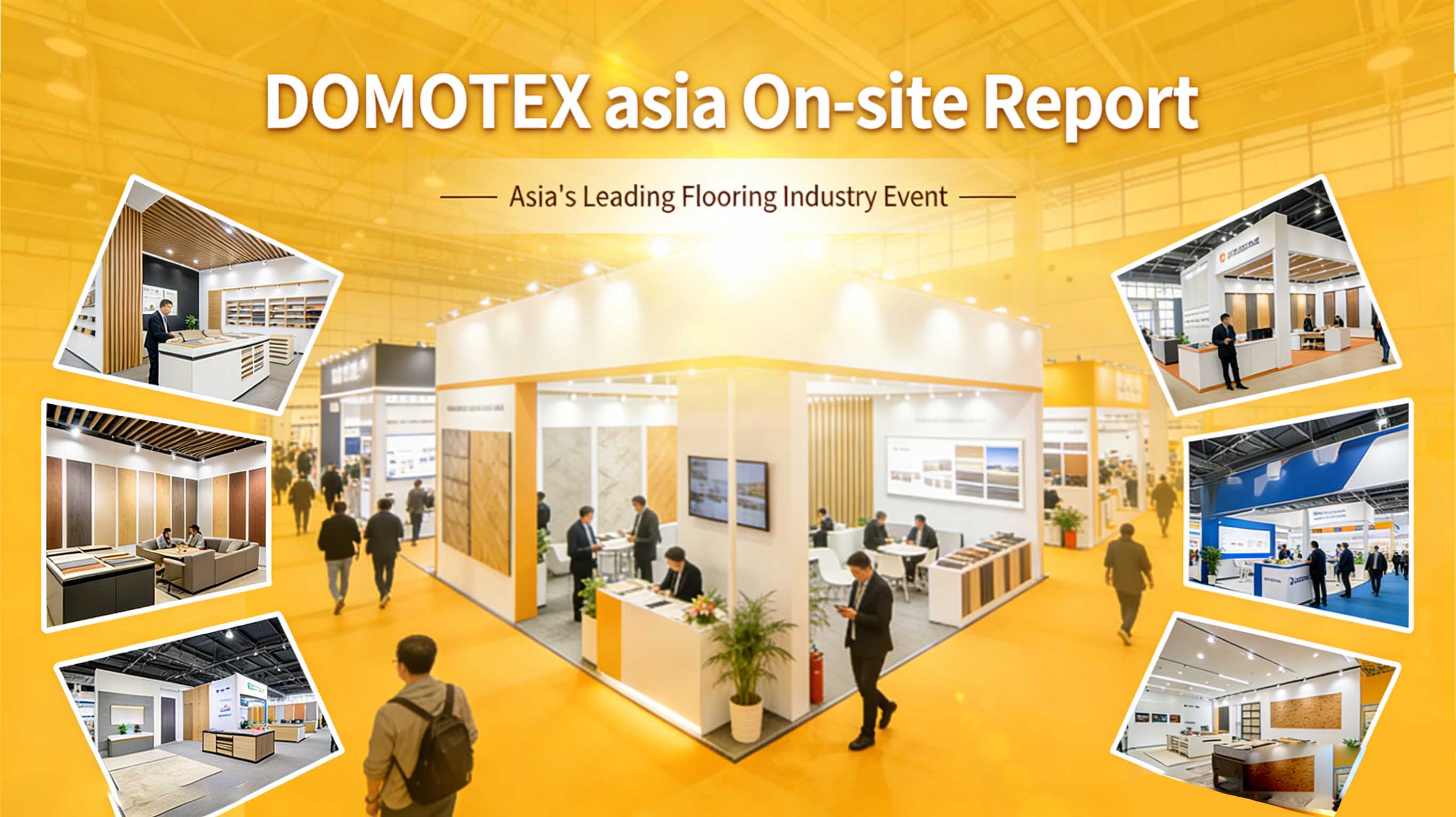
All expenses for the injured client, including medical fees, nursing care, lost wages and disability compensation, shall be borne by the facility. Unqualified purchasing selection is the direct cause. In judicial precedents, facilities lose 100% of cases involving injuries from non-compliant non-slip flooring, with compensation ranging from tens of thousands to hundreds of thousands of yuan. Purchasing decision-makers bear primary responsibility for this loss.
Business Suspension Liability: Regulatory Penalties & Reputation Collapse
Market regulators and sports authorities can order business suspension for rectification and impose fines due to non-compliant safety facilities. Public outrage on social media over client injuries directly leads to membership refunds, lost new customers and total brand reputation collapse. The root of such risks is purchasers cutting costs by choosing substandard fake non-slip flooring.
Professional Accountability Liability: Direct Dereliction of Purchasing Duty
Whether for corporate procurement, engineering bulk purchasing or store supply, choosing unqualified non-slip flooring leading to safety incidents constitutes serious dereliction. Purchasers face internal accountability, industry credit blemishes and even joint compensation liability. Slip-resistance compliance is not a bonus but a professional bottom line purchasers must uphold.
Gym Flooring Slip-Resistance: Only These Mandatory Standards Qualify as Compliant
Professional non-slip fitness flooring has clear international and domestic implementation standards. Purchasers must inspect against standards, not judge by “looking slip-resistant”.
Core Friction Coefficient Standards
Static and dynamic friction coefficients for commercial fitness areas must meet sports scenario requirements—the core indicator of slip resistance. Strength zones, cardio zones and group class zones all must meet this bottom line. Wet areas (yoga zones, water stations) require higher slip-resistance grades.
Authoritative Implementation Standards
- International standards: EN 14904 (European sports flooring), ASTM F2772 (US fitness flooring), DIN 18032 (German commercial sports flooring)
- Domestic standards: GB/T 22374-2018 flooring materials, HG/T 3747.1 commercial resilient flooring
Purchasers must require suppliers to provide third-party test reports. Products without reports are deemed unqualified.
Scenario-Based Functional Requirements
Purchasing Pitfalls to Avoid: Never Choose These “Fake Non-Slip” Floors
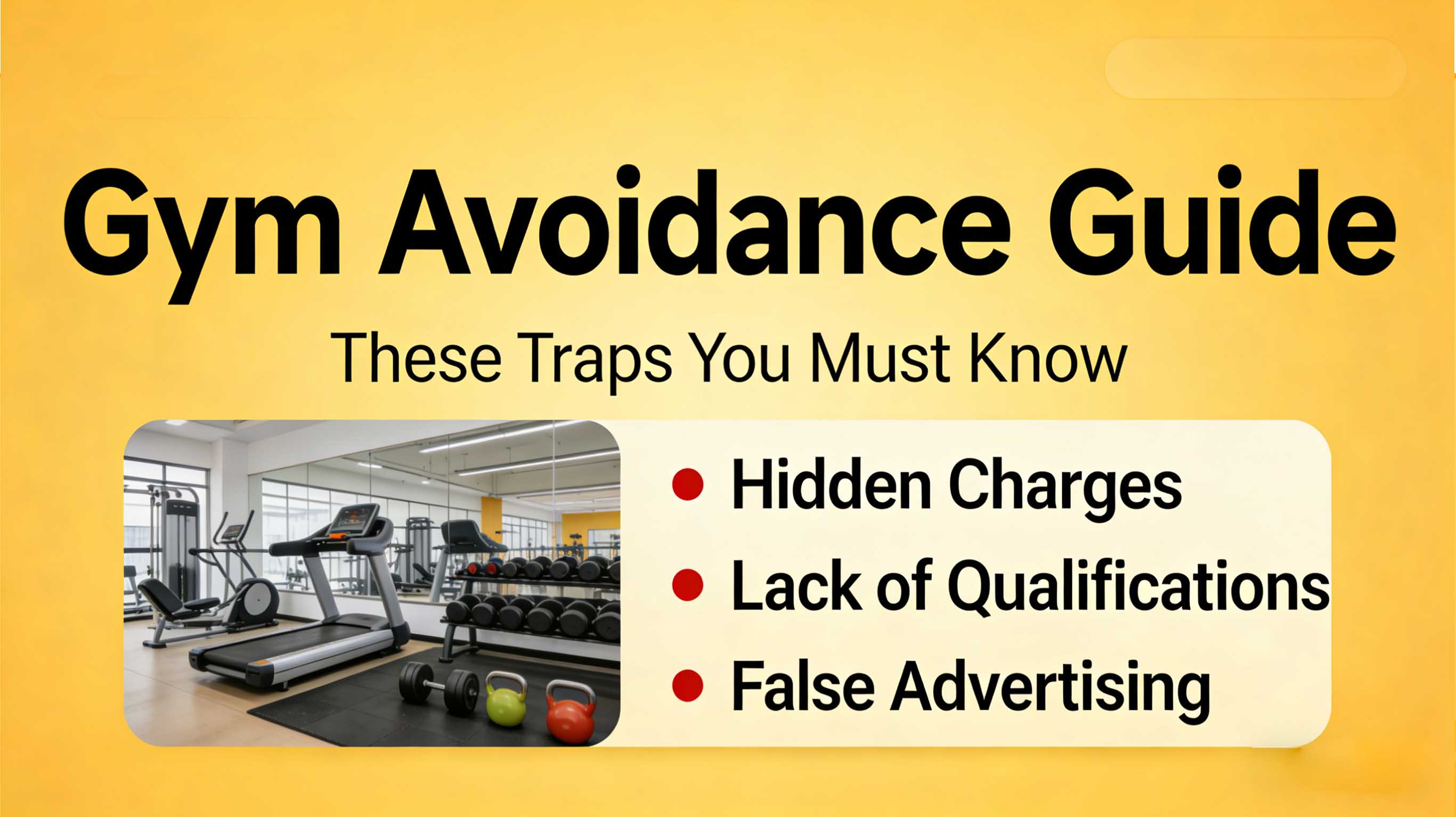
Many purchasers fall victim to products that look slip-resistant but fail standards, leading to accidents.
Low-Quality Thin PVC Vinyl Flooring
Insufficient thickness, no non-slip coating. Friction coefficient drops sharply after 1–3 months of wear, causing slips during regular walking—completely unfit for fitness scenarios.
Non-Certified Interlocking Mats
Large gaps, easy edge curling, no authoritative non-slip testing. Merely marketed with surface textures, extremely high slip risk in wet conditions.
Household Flooring Passed Off as Commercial
Slip-resistance, wear resistance and load-bearing standards of household flooring are far lower than commercial gym requirements. Using them in commercial facilities is a serious violation and a major accident risk.
Printed Non-Slip Flooring Without Wear Layer
Surface non-slip texture is only printed, wears off quickly, rendering slip resistance ineffective—a typical fake safety product.
Compliant Purchasing: Three Core Principles for Selecting Gym Non-Slip Flooring
To uphold safety and liability bottom lines, purchasers must follow three principles to avoid risks at the source.
Only Choose Products with Authoritative Test Reports
Verify non-slip performance reports, check friction coefficient, implementation standards and testing institution qualifications. Reports must match product models to prevent fraudulent use of reports.
Zone-Based Selection, No One-Size-Fits-All
Use different non-slip flooring specifications for strength, cardio, group class and wet zones to match exercise intensity and environment, fully covering slip-resistance needs.
Prioritize Commercial Professional Brands, Reject Low-Cost Inferior Products
Commercial fitness flooring has far higher craftsmanship, material and testing standards than household products. Professional brands provide complete qualifications and after-sales support, offering safety endorsement for purchasers.
DOMOTEX asia/CHINAFLOOR: The Safety Hub for Compliant Purchasing of Gym Non-Slip Flooring
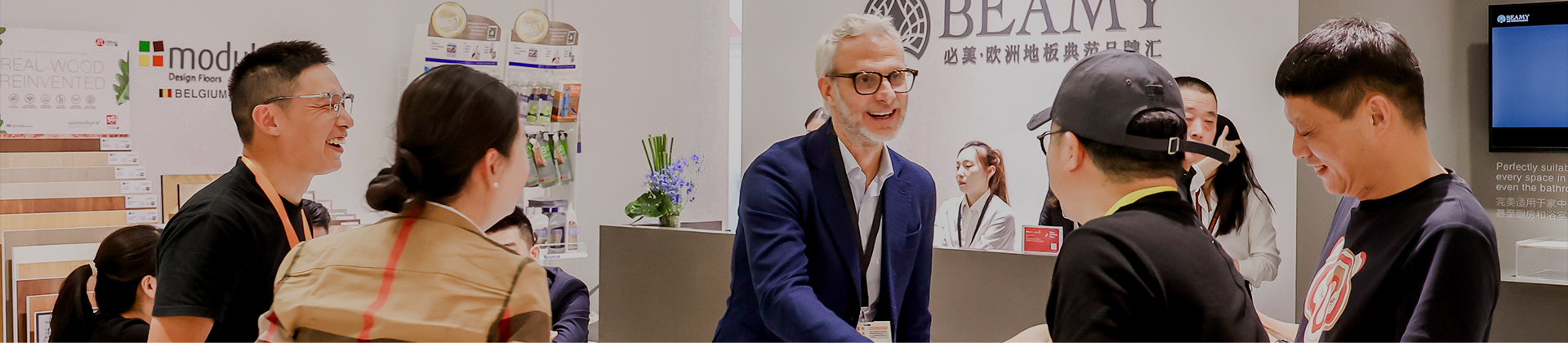
For distributors, commercial purchasers, engineers and brand manufacturers, DOMOTEX asia/CHINAFLOOR is the core platform to avoid slip risks and purchase compliantly, supporting the whole process from qualifications and products to docking.
Fully Compliant Brands Concentrated, No Unqualified Products Allowed
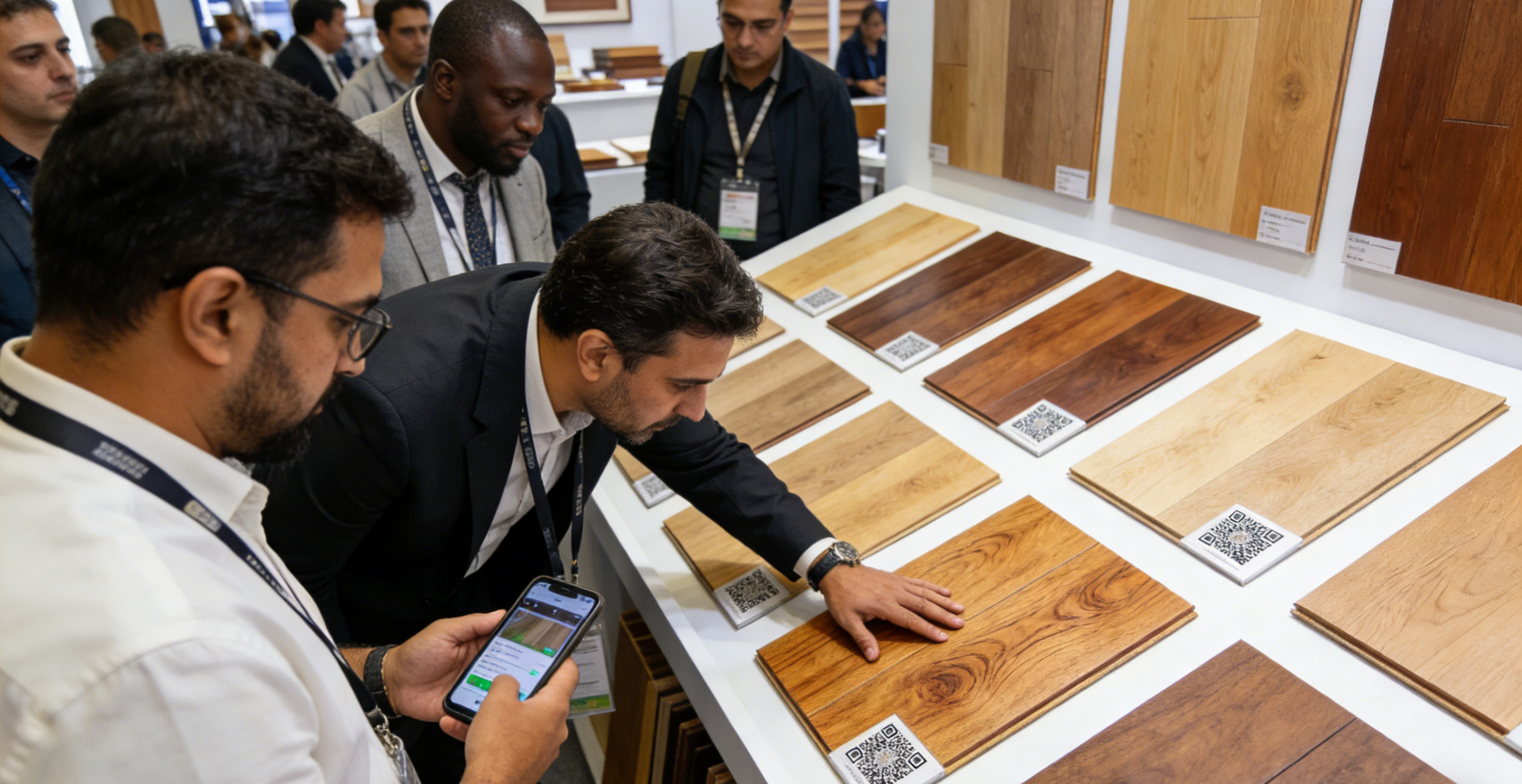
The 210,000 ㎡ exhibition hall gathers 1,500+ high-quality flooring brands. All fitness non-slip flooring requires complete test reports, implementation standards and qualification certifications, eliminating fake non-slip products at the source for safe purchasing.
Scenario-Based Exhibition Zones, Intuitive Slip-Resistance Verification
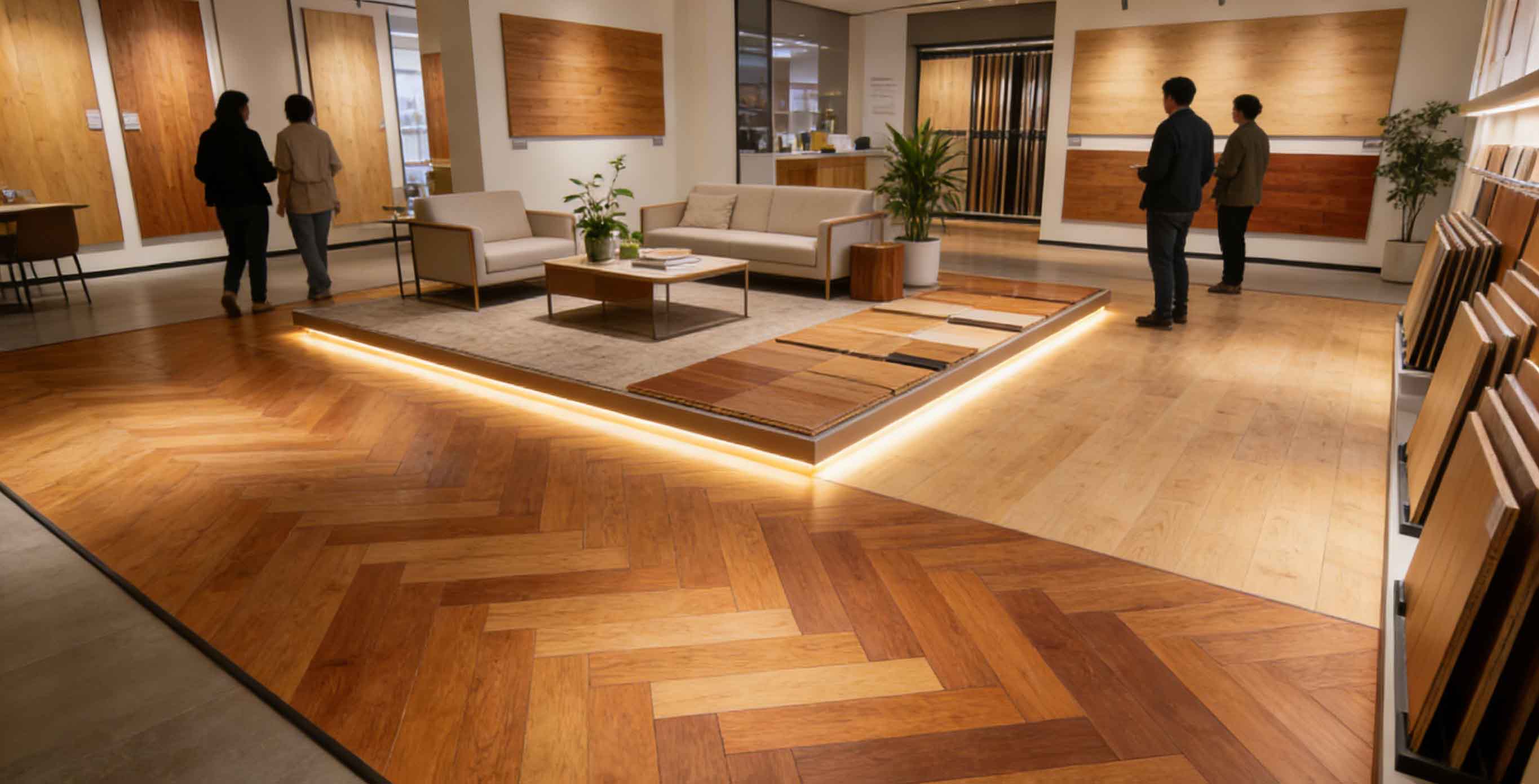
A dedicated commercial fitness flooring experience zone allows on-site testing of friction coefficient, wear resistance and cushioning, enabling intuitive comparison of slip resistance for informed purchasing decisions.
Professional Trade Docking, Precise Matching of Compliant Sources
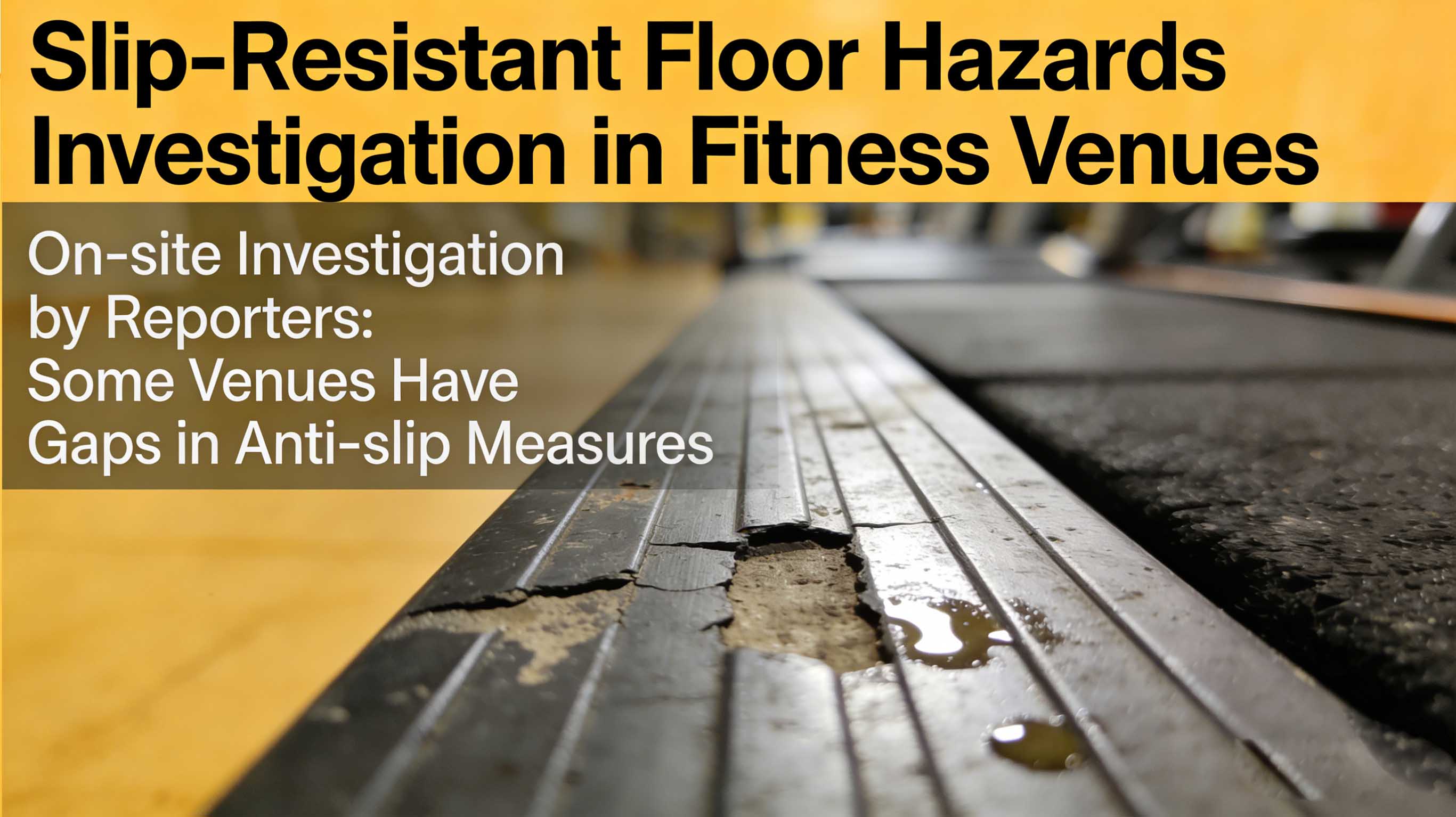
The Buyer Club provides one-on-one precise matching for gym facility purchasers and engineering bulk buyers, connecting professional non-slip flooring brands meeting international standards such as EN 14904 and ASTM F2772 to efficiently lock in compliant sources.
Industry Standard Interpretation, Enhancing Purchasing Professionalism
Concurrent commercial flooring safety standards forums invite experts to explain compliance requirements for gyms, hospitals, schools and other professional venues, helping purchasers master standards and avoid liability risks.
Slip-Resistance Is the Bottom Line, Responsibility Is Lifelong
There is no luck in gym safety. If gym flooring slip-resistance fails standards, purchasers bear full responsibility for client injuries. In commercial fitness flooring purchasing, sacrificing safety for cost is the foolishest decision. Upholding compliance standards and choosing qualified non-slip flooring is responsible for the facility, clients and your own career.
About DOMOTEX asia/CHINAFLOOR
From May 27 to 29, 2026, Shanghai DOMOTEX asia/CHINAFLOOR will gather global compliant fitness non-slip flooring resources, providing a safe, compliant and professional selection platform for purchasers. Remember: choosing the right non-slip flooring avoids full liability; upholding the compliance bottom line ensures peaceful operation.
FAQ
Q: What liabilities do purchasers bear if client injuries result from non-compliant gym flooring slip-resistance?
A: Full legal compensation (medical fees, disability compensation, etc.), regulatory penalties and business suspension, and internal professional accountability—with no exemption.
Q: What are the core compliance standards for gym non-slip flooring?
A: Core static friction coefficient ≥0.6, complying with international standards (EN 14904, ASTM F2772) or domestic standard (GB/T 22374-2018), with third-party authoritative test reports.
Q: How to select non-slip flooring for different gym zones?
A: Strength zone: ≥8mm high-density rubber non-slip mats; cardio/group class zone: high-elastic non-slip vinyl; wet zone: special waterproof non-slip flooring. No one-size-fits-all.
Q: How to quickly identify “fake non-slip” fitness flooring when purchasing?
A: 1. Check for scenario-specific non-slip test reports; 2. Test on-site friction coefficient; 3. Verify commercial professional grade, reject household, thin or non-wear-layer products.
Q: How does DOMOTEX ensure compliance of fitness non-slip flooring?
A: Strict exhibitor vetting requiring complete non-slip test reports and qualifications; no unqualified products allowed. On-site performance testing zones for purchaser verification.
Q: What qualification documents are mandatory for commercial gym flooring purchasing?
A: Non-slip performance test reports, product implementation standard certificates, environmental test reports and commercial venue applicability certificates—all matching product models.
Q: What hidden risks come from purchasing low-cost inferior non-slip flooring?
A: Short-term: wear-induced slipping, client injury compensation. Long-term: regulatory penalties, membership loss, brand collapse, plus purchaser dereliction accountability.
Q: How does DOMOTEX’s Buyer Club assist gym non-slip flooring purchasing?
A: One-on-one precise matching with professional brands meeting international/domestic standards; scenario-based selection advice; qualification verification to reduce purchasing risks.
Q: How is liability divided between suppliers and purchasers for defective gym non-slip flooring?
A: Suppliers bear product liability for unqualified goods. Purchasers bear full safety and operational liability for failing to verify qualifications and choosing unqualified products. Neither can exempt the other.


 May 26-28, 2027
 National Exhibition and Convention Center (Shanghai)