Homestay Carpets: Looks Good But Unpractical? Stain & Wear Resistance Is the Key to Profitability
In current homestay decoration, many purchasers fall into the trap of “appearance first” – blindly pursuing Instagram‑style, vintage‑style high‑look carpets while ignoring the core needs of homestays: high‑frequency guest reception, heavy foot traffic, and easy staining. This leads to a frustrating cycle: pilling in 3 months, looking worn in half a year, and frequent replacement, which drastically increases OPEX and eats into profits. As the flagship flooring exhibition in the Asia‑Pacific region, DOMOTEX asia/CHINAFLOOR focuses on homestay flooring. Based on cutting‑edge exhibition resources, this article breaks down the selection logic for homestay carpets for distributors, purchasers, and brands: appearance is a bonus; stain and wear resistance are the core of long‑term profitability. It teaches you to avoid appearance traps and choose cost‑effective products.
The Appearance Trap: A “Silent Profit Killer” for Homestay Carpets
The core operation logic of homestays is low cost, high turnover, long service life. Carpets that prioritize looks over practicality run against this logic and become hidden obstacles to profitability – a common pain point for many homestay operators.
1.Frequent Damage & High Replacement Costs
Homestays receive 1–3 groups of guests daily. Living room and bedroom carpets endure constant stepping, friction, and stains (coffee, snacks, shoe prints, etc.). Most decorative carpets use thin short pile and ordinary synthetic fiber with extremely poor wear resistance (Martindale cycles < 10,000), far below commercial standards. They usually pill, shed, or absorb permanent stains within 3–6 months, requiring full replacement. Industry data shows frequent carpet replacement adds ¥2,000–5,000 annual OPEX per homestay unit, directly squeezing profits. High‑quality stain‑ and wear‑resistant carpets last 3–5 years, greatly cutting replacement costs.
2. Time‑Consuming Cleaning & Lower Operational Efficiency
Decorative carpets are often light‑colored with complex patterns. Once stained (coffee, soy sauce, shoe prints), marks remain even after repeated scrubbing, requiring extensive cleaning time or professional services, raising labor costs. Homestay cleaning is charged per room (¥30–50/room). Frequent carpet cleaning doubles cleaning costs, extends room turnover time, reduces occupancy, and indirectly lowers revenue.
3. Damaged Reputation & Reduced Repeat Bookings
Guests choose homestays for comfort and cleanliness. Worn, stained carpets directly ruin the experience and cause negative reviews. According to OTA platforms, dirty or damaged carpets rank among the TOP 3 causes of bad homestay reviews. Poor ratings drag down rankings and repeat bookings – the backbone of long‑term profitability. No amount of appearance can make up for lack of practicality.
Core Homestay Carpet Selection: Stain & Wear Resistance, Balancing Looks & Profit
Homestay carpet selection should never be appearance‑first. On the basis of matching decoration style, prioritize stain resistance, wear resistance, and easy cleaning. Only by balancing all three can you maintain good looks and protect profits. Based on premium products from DOMOTEX exhibitors, we summarize core selection standards for all homestay scenarios.
1.Preferred Materials: Cost‑Effective & Highly Durable
Material determines stain and wear performance. For homestays, prioritize these 3 categories and avoid high‑loss types:
(1) Nylon (Polyamide): Top All‑Round Choice for Homestays
Nylon offers best wear resistance (Martindale ≥ 20,000 cycles, commercial grade), strong anti‑stain performance, easy cleaning, and rich colors. It fits Instagram, minimalist, vintage, and other styles with the best cost‑performance. Priced at $2–5 per sq ft, it balances cost and durability – the top pick for mid‑to‑high‑end homestays and the mainstream category in DOMOTEX’s homestay flooring zone.
(2) Polypropylene: Budget Pick for Economy Homestays
Polypropylene is low‑cost ($1–3 per sq ft), moisture‑proof, stain‑resistant, and easy to clean. Although less wear‑resistant than nylon, it fully meets economy homestay needs. Avoid recycled polypropylene to prevent rapid shedding and pilling; ask suppliers for material test reports.
(3) Blended (Wool–Nylon): Luxury & Practicality for High‑End Homestays
Wool–nylon blend combines wool’s soft texture with nylon’s stain and wear resistance, offering great looks and comfort. Ideal for high‑end and boutique homestays but at a higher price. Regular maintenance is required. Source quality blended brands via DOMOTEX for exclusive fair prices.
(4) Red Flags to Avoid
- 100% wool: high cost, hard to clean, prone to moisture and moth damage; unsuitable for high‑traffic homestays
- Thin short‑pile / light‑color pure synthetic fiber: poor wear resistance, shows dirt easily, quick pilling and stain penetration
2. Key Performance Indicators: 3 Non‑Negotiable Standards
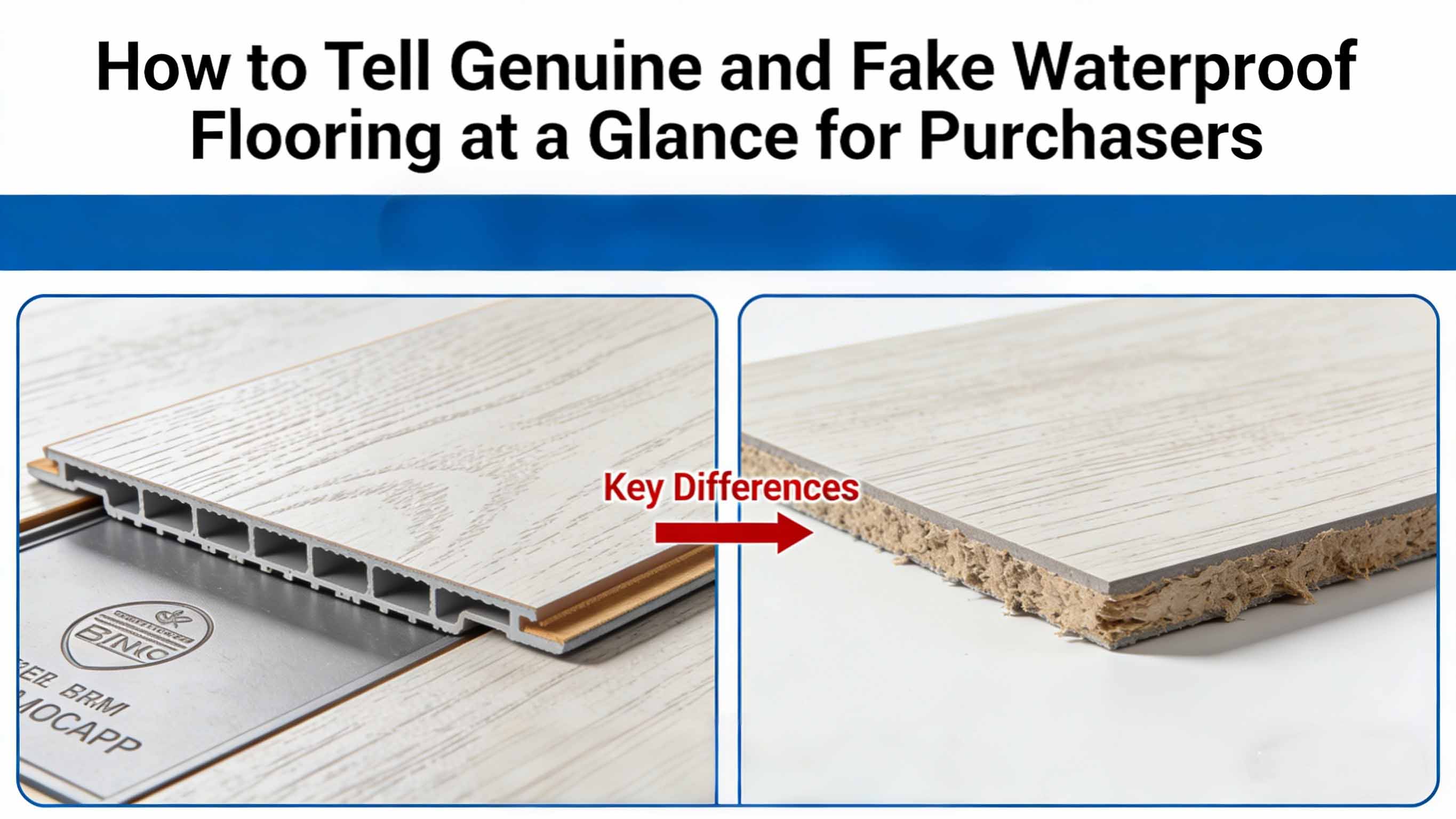
Don’t rely only on sales claims. Verify these 3 indicators with CMA/CNAS certified test reports (reference: GB/T 11746‑2020, ASTM D1335‑2020):
(1) Wear Resistance: Martindale Cycles
Core homestay indicator – higher cycles = longer life.
- Standard homestays: ≥ 15,000 cycles
- High‑end homestays: ≥ 20,000 cyclesTest per ISO 12947: no surface damage or pilling = pass.
(2) Stain Resistance: ≥ Grade 4
Tested per ASTM D1335. Common stains (coffee, soy sauce, shoe polish) wipe off with no obvious residue. Choose carpets with anti‑stain coating (contact angle ≥ 150° hydrophobic coating for self‑cleaning effect).
(3) Easy Cleaning: Machine‑washable, Colorfast, Shrink‑proof
For frequent cleaning, choose machine‑/hand‑washable carpets that do not fade, shrink, or wrinkle. Dark colors and simple patterns hide dirt better and reduce cleaning frequency.
3. Scenario Matching: Different Zones, Different Choices
Avoid one‑size‑fits‑all. Based on DOMOTEX’s scenario display experience:
(1) Living Room: High Foot Traffic → Wear & Stain Resistant
Most active area, prone to shoe prints and food stains. Choose nylon, dark color, short pile – durable, stain‑proof, easy to clean, and stylish.
(2) Bedroom: Comfort + Stain Resistance
Lower activity. Slightly thicker short pile or blended carpet for softness. Light colors (off‑white, light gray) allowed only if stain‑resistance is certified. Must meet eco‑standards: formaldehyde ≤ 0.050 mg/m²·h, TVOC ≤ 0.500 mg/m²·h.
(3) Hallway & Entrance: Maximum Durability
Highest foot traffic, dust and shoe prints. Choose polypropylene or nylon, dark color, high‑density short pile – extremely wear‑resistant, stain‑proof, easy to wipe, low maintenance.
DOMOTEX: The Ultimate Platform for Homestay Carpet Procurement
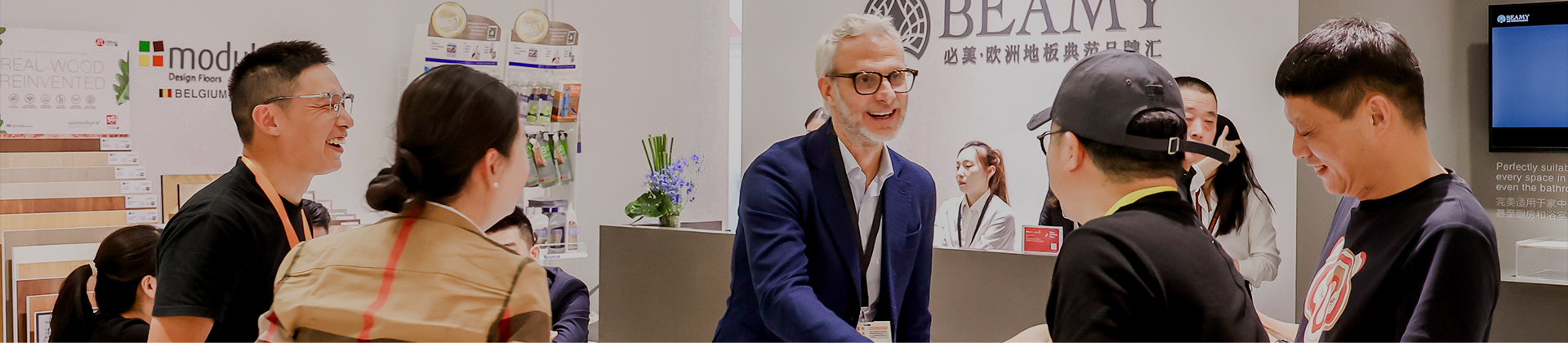
For distributors, home furnishing buyers, homestay flooring brands, and wholesalers, DOMOTEX asia/CHINAFLOOR is the core platform to avoid appearance traps and select durable carpets. The Shanghai show (May 27–29, 2026) features a dedicated homestay flooring zone with global premium brands tailored to homestay needs.
1.Full‑Range Quality Products, One‑Stop Selection
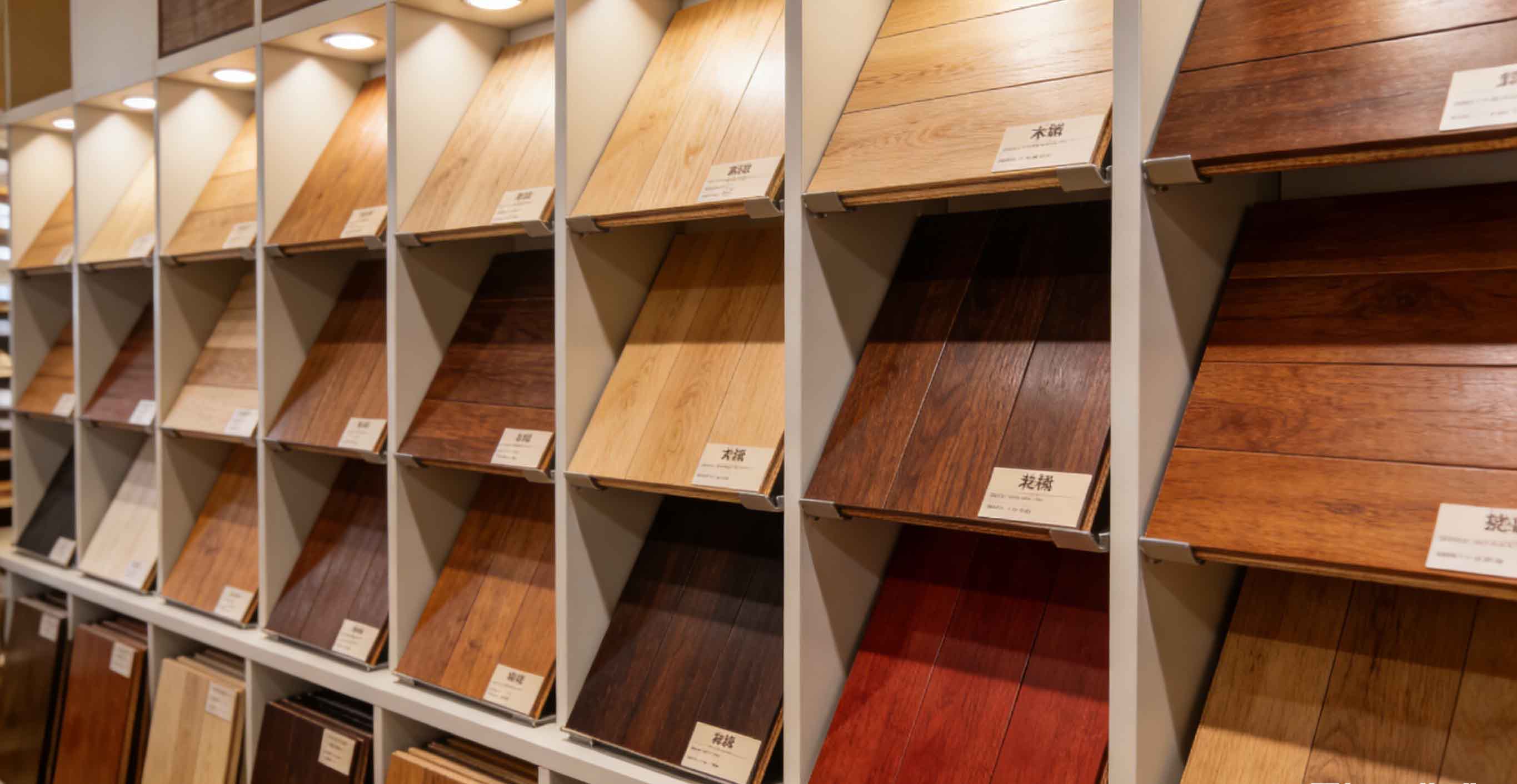
1,500+ top flooring brands. The homestay carpet zone covers nylon, polypropylene, blended, and other durable options – from economy to high‑end, covering Instagram, vintage, minimalist, and more. Buyers compare materials and test performance on site. Handmade and machine‑woven carpets are also available for personalized needs.
2. On‑Site Performance Testing, Visual Quality Verification
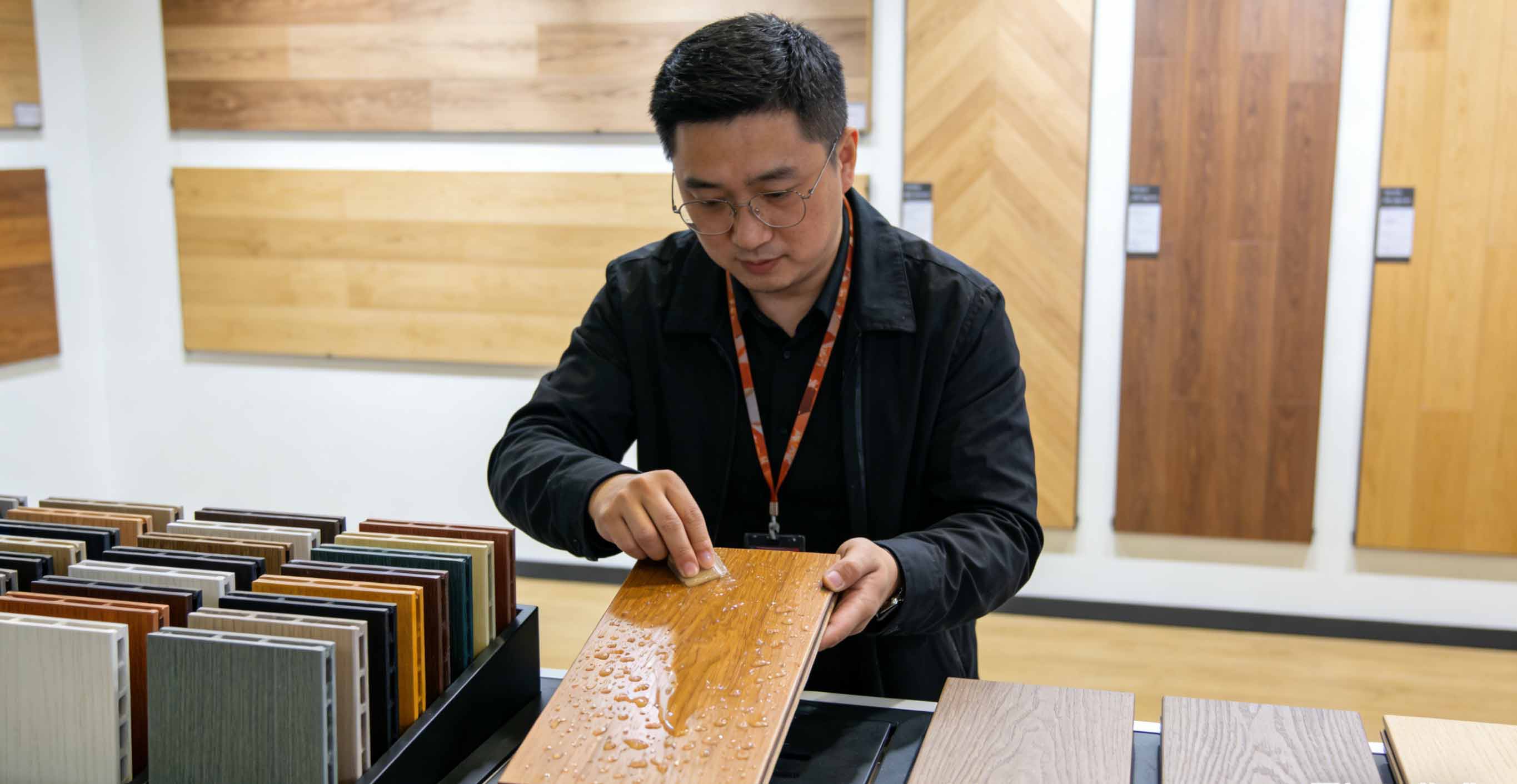
On‑site testing area for Martindale wear, stain resistance, and easy cleaning. Visually compare performance across materials to avoid being misled by “looks‑only” marketing. Report verification service ensures compliance with GB/T 11746‑2020.
3. Precise Trade Matching, Lower Procurement Costs
Buyer Club provides one‑on‑one matching for distributors, buyers, and operators based on homestay positioning (economy, mid‑end, high‑end), budget, and style. Exclusive fair pricing reduces costs and boosts profits. Brands and wholesalers access targeted demand and expand channels.
4. Industry Insights, Avoid Purchasing Pitfalls
Concurrent homestay flooring forums feature operators and industry experts sharing purchasing mistakes, selection tips, maintenance methods, and market trends, helping you choose profit‑driven durable carpets.
Choose the Right Carpet, Protect Your Profit Margin
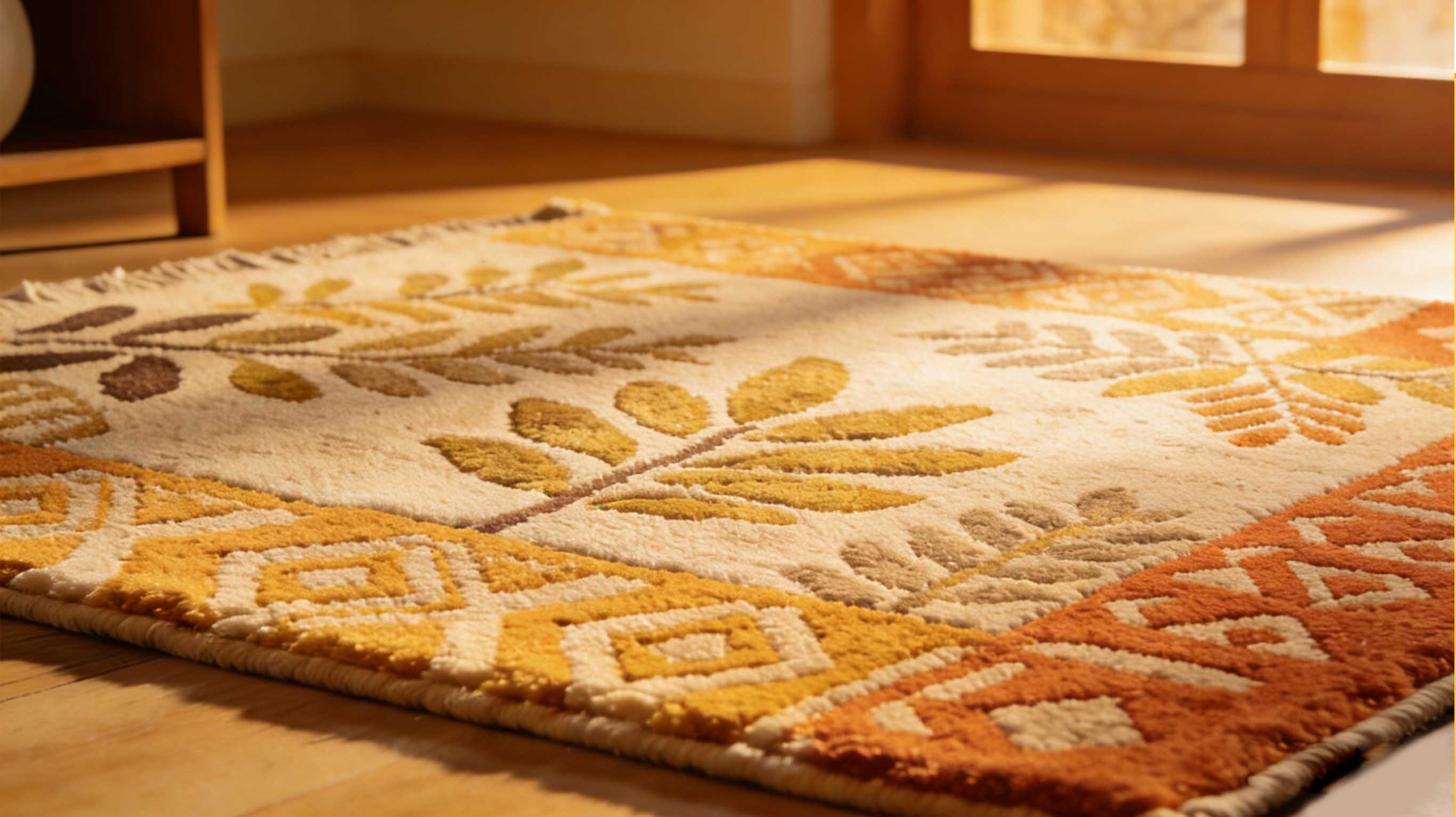
The core of homestay profitability is cost reduction and efficiency improvement. As a key decor item, a carpet’s stain and wear resistance directly determine OPEX, efficiency, and guest experience. Abandon “appearance first” and prioritize durability, stain resistance, and easy cleaning for one purchase, long‑term benefit, minimize costs, and improve guest satisfaction and repeat bookings.
About DOMOTEX asia
DOMOTEX asia/CHINAFLOOR is the leading platform to avoid homestay carpet appearance traps and select durable, profitable flooring. The 2026 Shanghai show (May 27–29) features a dedicated homestay flooring zone with global premium carpet brands tailored to every homestay scenario.
FAQ
Q: What should distributors prioritize when expanding homestay carpet channels?
A: Three core points:Stain & wear resistance (Martindale ≥ 15,000 cycles) for high‑frequency useCost‑performance and stable supply for economy to high‑end homestaysComplete certifications (test reports, eco‑labels) to strengthen channel competitiveness
Q: How can furniture buyers balance appearance, stain resistance, and cost for homestay carpets?
A: Choose durable material + simple design:Material: nylon (best balance) or polypropylene (low cost)Color: dark, simple patterns (stylish and low‑maintenance)Source via DOMOTEX for factory direct prices
Q: Why do good‑looking carpets hurt homestay profits?
A: High‑foot‑traffic homestays damage thin, light‑colored decorative carpets quickly (3–6 months replacement). Cleaning is time‑consuming, reduces turnover, and causes negative reviews, cutting repeat bookings and profits.
Q: How to quickly verify stain & wear performance when purchasing?
A: Two steps:Request CMA/CNAS test reportsCheck Martindale cycles, stain resistance grade, and material composition
Q: What is the best material for homestay carpets?
A: Nylon (Martindale ≥ 20,000, $2–5/sq ft) for most homestays. Polypropylene for economy. Wool–nylon blend for high‑end.
Q: What are the mandatory performance standards?
A: Martindale ≥ 15,000 cycles; stain resistance ≥ Grade 4; machine‑washable, colorfast, shrink‑proof. Must meet GB 18587‑2001 eco‑standards.
Q: How to select carpets for different homestay areas?
A: Living room: nylon, dark, short pile (wear/stain resistant). Bedroom: blended or thick short pile (comfort + eco). Hallway/entrance: polypropylene/nylon, high‑density (max durability).
Q: How does DOMOTEX support homestay carpet buyers?
A: Full product display; on‑site wear/stain testing; report verification; one‑on‑one supplier matching; exclusive fair pricing; expert forums.
Q: How to balance looks and stain resistance for light‑color homestay carpets?
A: Choose hydrophobic anti‑stain coating (≥ Grade 4); simple patterns; nylon/blended material; machine‑washable for easy stain removal.
Q: What is the ideal replacement cycle?
A: Quality nylon/polypropylene: 3–5 years. Decorative low‑quality carpets: only 3–6 months.
Q: How to select partner brands for homestay carpet distribution?
A: Choose specialists in homestay flooring with complete test reports (wear, stain, eco) and full‑range products. Use DOMOTEX to find factories with exclusive terms and strong after‑sales.
Q: How to clean carpets to extend life?
A: Regular vacuuming; immediate neutral‑cleaner stain treatment; avoid strong chemicals; periodic machine/professional cleaning; air‑dry (no direct sun); use entrance mats to reduce wear.


 May 26-28, 2027
 National Exhibition and Convention Center (Shanghai)