Purchasing Rubber Flooring: Only Focus on Thickness? Thicker Is Not Better
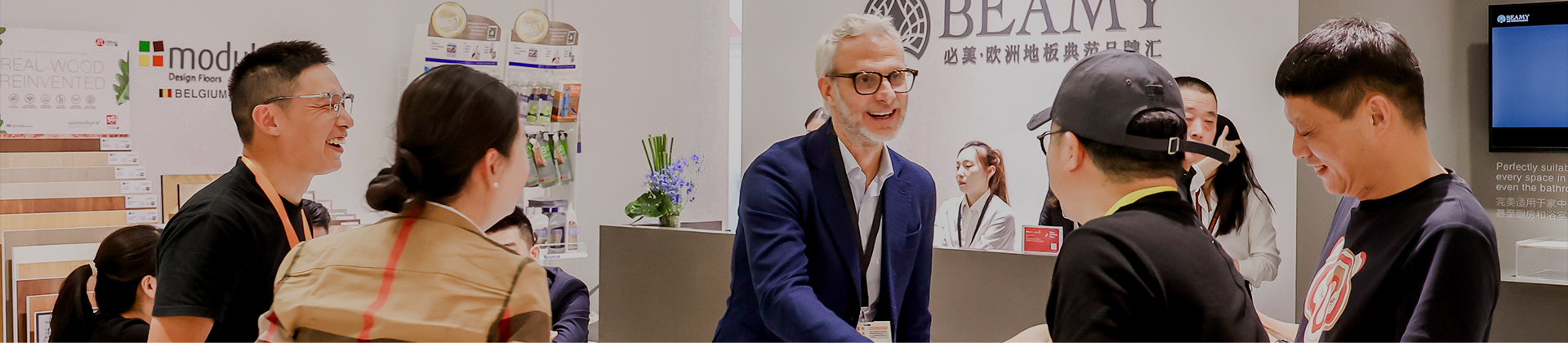
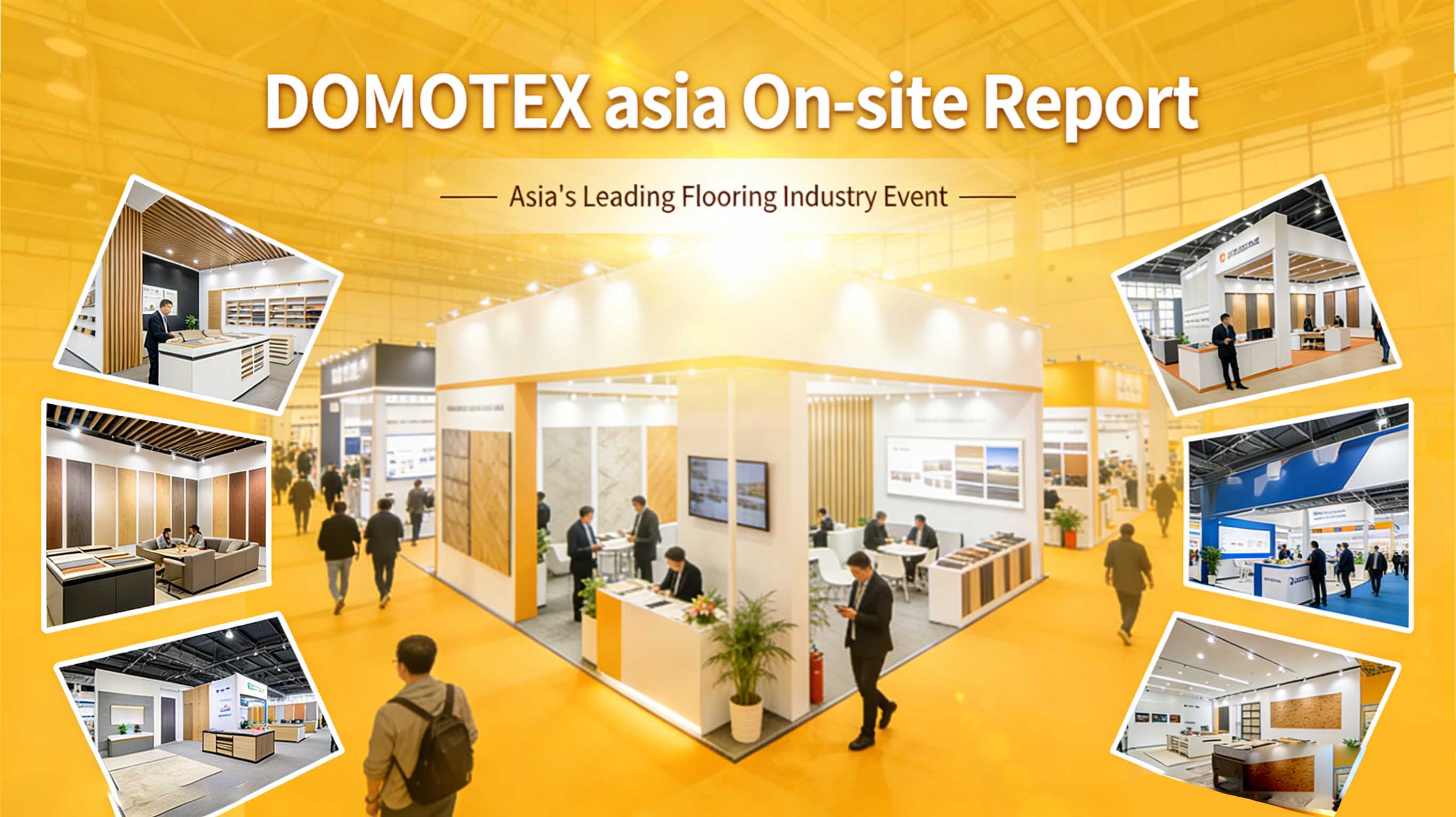
Rubber flooring has become a mainstream choice for shopping malls, hospitals, schools, home furnishing stores and other venues due to its advantages of anti-slip, wear resistance, environmental friendliness and good cushioning. However, many distributors, wholesalers and buyers fall into a common misunderstanding: the thicker the rubber flooring, the better the quality. The truth is just the opposite. Thickness is only a reference, not the core criterion for judging quality. As a leading B2B floor covering exhibition in the Asia Pacific region, DOMOTEX asia/CHINAFLOOR gathers more than 1,500 global high-quality flooring brands and is an authoritative sourcing platform for rubber flooring.
Misunderstanding: For Rubber Flooring, Thickness ≠ Quality
Many professional buyers first check the thickness parameter when selecting rubber flooring, and even take thickness as the core basis. This eventually leads to inflated procurement costs, mismatched products for the scene, and increased failure rates in long-term use.
Why Do People Fall for the “Thicker Is Better” Myth?
Biased Cost Perception
Some manufacturers deliberately promote “thicker boards are more durable”, encouraging buyers to pay for unnecessary thickness while ignoring raw materials, craftsmanship, environmental performance and other core indicators, allowing low-quality thick boards to enter the market at high prices.
Vague Scene Awareness
Thickness requirements vary greatly across different scenarios. Blind thickening causes material waste and may affect flatness and installation stability.
The Real Role of Rubber Flooring Thickness
Thickness mainly affects foot feel cushioning, noise reduction and impact resistance. It does not directly determine core performance such as wear resistance, environmental safety or compression resistance. Low-quality raw materials, even when made thick, still age easily, fade and are unsafe; high-quality thin boards often last longer in suitable applications.
Core Quality Indicators of Rubber Flooring (More Important Than Thickness)
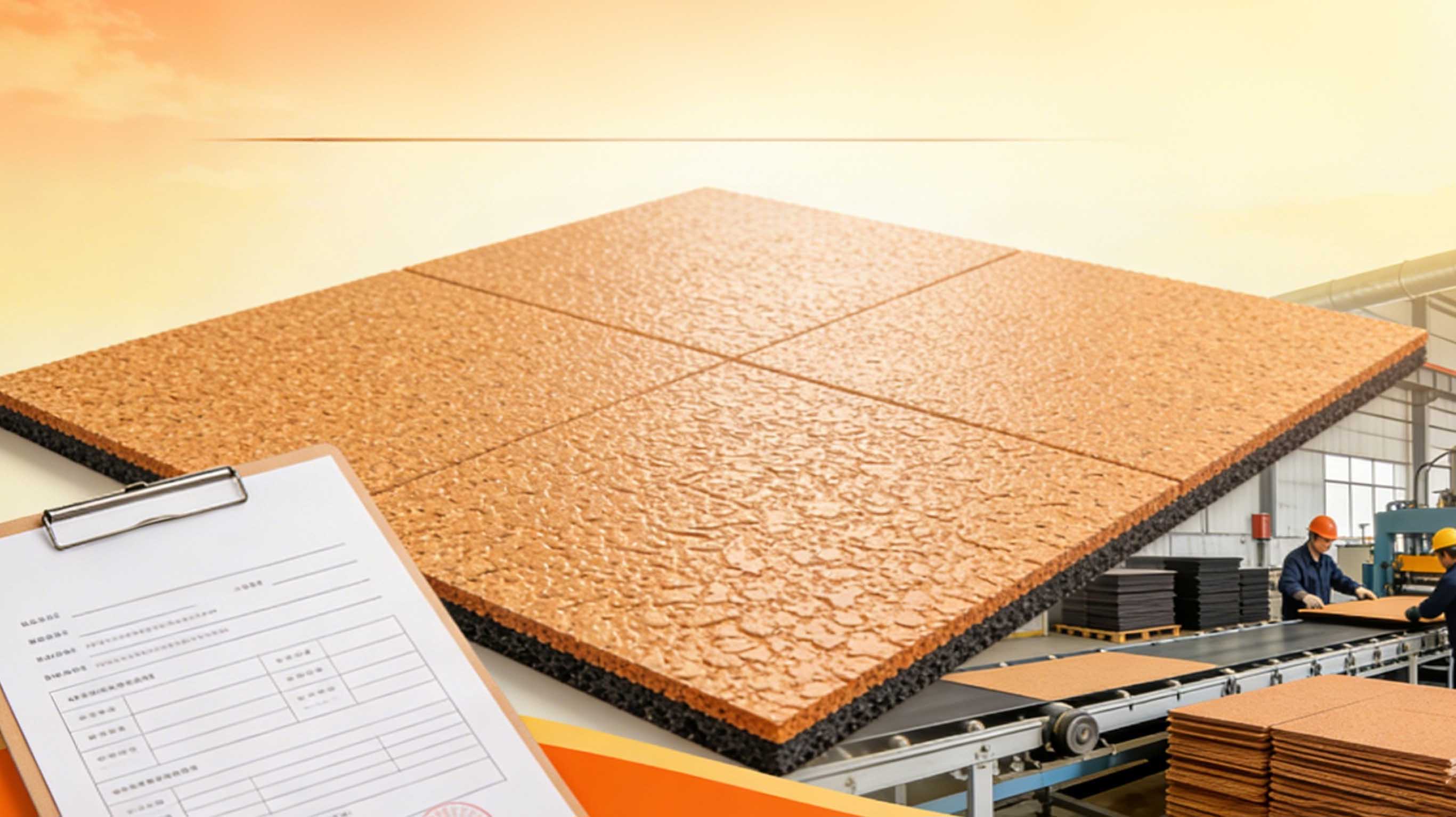
For brands, distributors and buyers, focusing on the following indicators ensures cost-effective rubber flooring.
Raw Material: The Foundation of Quality
Production Technology: Affects Durability & Stability
Advanced vulcanization and continuous press technology greatly improve density and uniformity, reduce thickness deviation, stabilize structure, and directly determine long-term performance.
Environmental Standards: A Must for Procurement
Check test reports for formaldehyde, VOC and heavy metals. Compliance with authoritative standards such as E0, EN71-3, REACH is required for hospitals, schools and households.
Wear Resistance & Compression Performance: Key for Commercial Use
For commercial rubber flooring, focus on wear cycles, abrasion loss and compressive strength. These directly determine service life under high-frequency use and are far more valuable than thickness.
Thickness Selection Guide for Different Scenarios
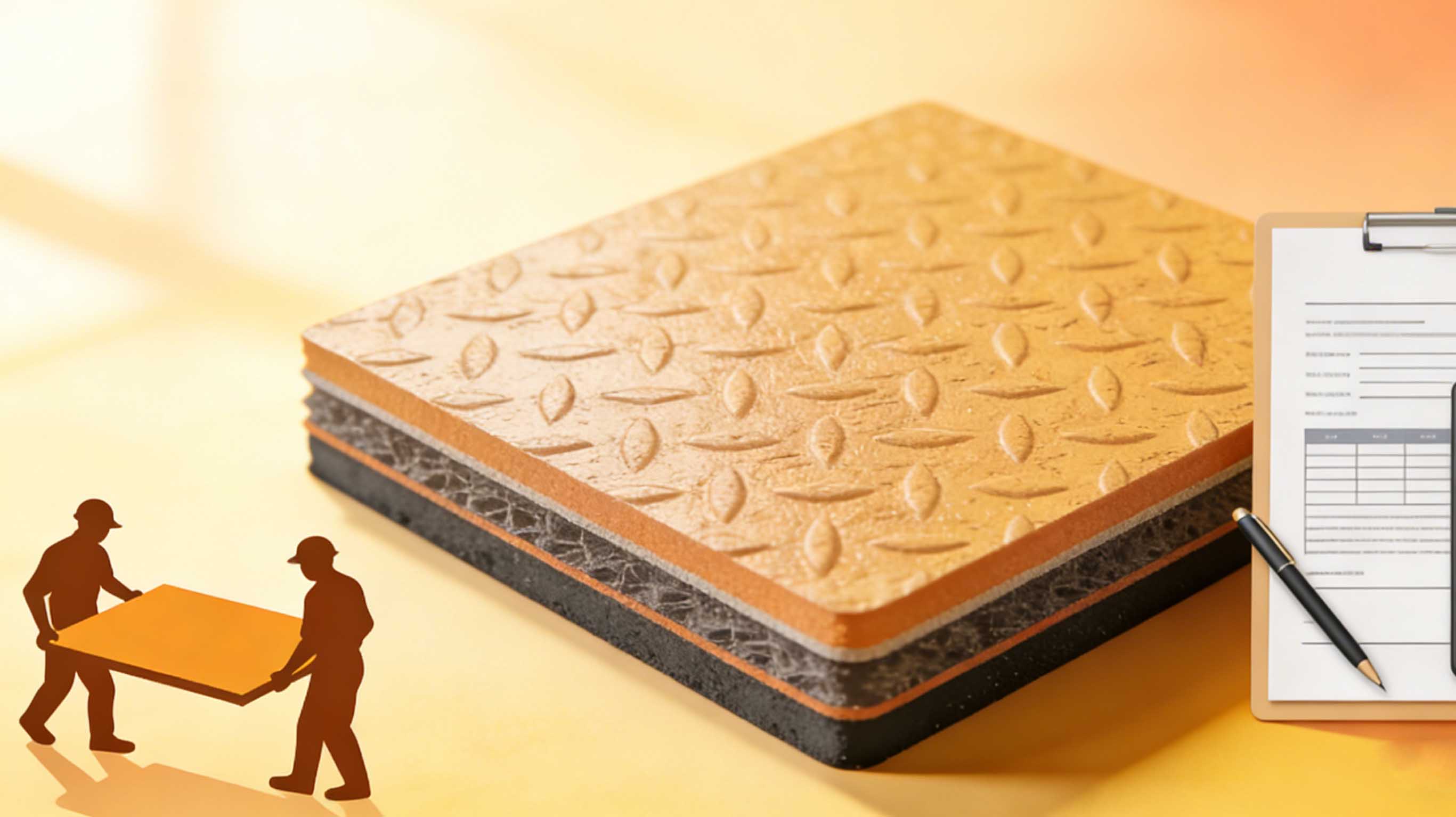
Selecting based on actual needs instead of blind thickening is a core skill for professional buyers.
High-Frequency Commercial Scenes (Malls, Hospitals, Schools)
Recommended thickness: 3.0–4.5 mmPrioritize wear layer and environmental grade; thickness is only auxiliary.
Residential / Light Commercial Scenes (Offices, Home Stores)
Recommended thickness: 2.0–3.0 mmBalances foot feel and cost; no need for ultra-thick specifications.
Heavy-Duty Special Scenes (Workshops, Warehouses)
Recommended thickness: above 4.5 mmMust verify compression and impact resistance; both thickness and performance must meet standards.
How to Select Qualified Suppliers at DOMOTEX asia/CHINAFLOOR
Practical On-Site Quality Verification Methods
Conduct on-site wear tests, bending tests and odor checks to judge quality intuitively, avoiding misjudgment based only on parameters and thickness.
Rational Rubber Flooring Procurement: Thickness Is Only a Reference
The quality of rubber flooring is determined by raw materials, craftsmanship, environmental performance and functionality. Thickness only affects user experience, not quality level. For distributors, home store buyers, brands and wholesalers, rational selection, focusing on core indicators and accessing quality resources via DOMOTEX asia/CHINAFLOOR enable efficient, compliant and cost-effective procurement.
FAQ
Q: Is thicker rubber flooring more durable?
A: No. Durability depends on raw materials, wear layer and production technology. Thickness only affects cushioning and foot feel. Low-quality thick boards are far less durable than high-quality thin ones.
Q: What thickness is recommended for commercial rubber flooring?
A: 3.0–4.5 mm for high-traffic areas (malls, hospitals); 2.0–3.0 mm for light commercial use (offices, home stores).
Q: Is recycled rubber flooring good even if thick?
A: No. Recycled rubber has high impurities and fails environmental and performance standards. It cannot meet commercial requirements no matter how thick.
Q: What indicators matter more than thickness?
A: Prioritize raw material, environmental grade, wear cycles, compression resistance and production standards.
Q: How can distributors avoid risks in bulk procurement?
A: Source from manufacturers at DOMOTEX asia/CHINAFLOOR, verify samples and reports on-site, and select by scenario.
Q: What thickness is suitable for home stores?
A: 2.0–3.0 mm is ideal, balancing cost, comfort and durability.
Q: What are the main eco-standards for rubber flooring?
A: E0, EN71-3 and REACH are core compliance requirements.
Q: Can I find reliable rubber flooring suppliers at DOMOTEX?
A: Yes. DOMOTEX asia/CHINAFLOOR gathers global qualified manufacturers, supports on-site inspection and business matching, making it the top platform for professional buyers.


 May 26-28, 2027
 National Exhibition and Convention Center (Shanghai)