Gym Flooring Challenge 2026
The global fitness industry’s expansion is driving unprecedented demand for high-performance gym flooring, but the path from production to post-installation service is fraught with region-specific challenges. Gym flooring must balance durability, safety, and functionality—while adapting to diverse market norms, regulatory requirements, and operational models worldwide. As the organizer of DOMOTEX asia/CHINAFLOOR, the leading international B2B floorcovering trade show in the Asia-Pacific region, we’ve witnessed firsthand how gym flooring businesses grapple with unique hurdles across continents. In this blog, we dissect 2026’s key challenges across production, materials, installation, and service—with real-world examples from Asia, Africa, the U.S., and Europe—and share actionable solutions backed by global industry insights.
Why Gym Flooring Is a Globally Competitive Segment
Gym flooring is far more than a surface—it’s a critical safety and performance component that must withstand heavy equipment, high-impact activities, and constant foot traffic. According to Grand View Research, the global sports flooring market (including gym flooring) is projected to grow at a CAGR of 5.8% through 2030, with Asia-Pacific, Africa, and Europe emerging as key growth hubs. Each region’s gym market operates with distinct characteristics:
Asia: Booming boutique gym chains in Malaysia and Indonesia demand affordable, climate-resistant flooring.
Africa: Rapidly expanding fitness centers in South Africa prioritize durability and low maintenance.
U.S.: Large-scale fitness franchises require standardized, eco-friendly flooring across locations.
Europe: Luxury gyms in Germany and France emphasize sustainability and design integration.
For businesses operating globally, navigating these regional nuances is essential to capture market share and build long-term trust.
Key Global Challenges in Gym Flooring 2026
1. Production Challenges: Scaling Quality Amid Regional Volatility
Gym flooring production requires precision, but 2026 brings unique hurdles tied to regional supply chains, regulations, and demand patterns.
Core Hurdles
Raw Material Price Volatility: Key materials (rubber, vinyl, polyurethane) face global price swings. In Europe, rubber prices rose 15% in 2025 due to supply chain disruptions from Germany’s industrial policy shifts, forcing manufacturers to adjust pricing (Source: DOMOTEX asia/CHINAFLOOR 2025 Global Material Report).
Regional Regulatory Barriers: The U.S. requires gym flooring to meet ASTM F2117 standards for shock absorption, while the EU’s REACH regulation restricts chemical content—creating compliance complexity for global producers. In Indonesia, local manufacturing laws mandate 30% domestic raw material usage, challenging international brands.
Demand Variability: Malaysia’s boutique gyms favor small-batch, custom-printed flooring, while U.S. franchises need mass-produced, standardized products. This forces manufacturers to balance flexible production lines with efficiency.
Solutions to Overcome
Diversify Regional Supply Chains: Source rubber from Thailand for Asian markets, Brazil for U.S. clients, and Malaysia for European exports to mitigate shortages. Exhibitors at DOMOTEX asia/CHINAFLOOR, such as Gerflor, showcase how regional sourcing networks reduce production risks.
Invest in Compliance-Focused R&D: Partner with regional labs to test products for local standards—e.g., ASTM certification for U.S. markets, REACH compliance for Europe.
Adopt Modular Production Lines: 3D printing and automated cutting (featured at DOMOTEX asia/CHINAFLOOR’s Tech Zone) enable quick switches between custom and mass-produced orders.
2. Material Challenges: Balancing Performance, Sustainability, and Regional Preferences
Material choices are make-or-break for gym flooring, with regional markets prioritizing distinct attributes—creating trade-offs that businesses must navigate.
Core Hurdles
Climate Adaptation: Indonesia’s humid climate demands moisture-resistant materials (e.g., LVT), while Germany’s cold winters require flooring with thermal insulation (e.g., rubber-wool composites). Using unsuitable materials leads to premature wear—e.g., standard rubber flooring in Malaysia often warps within 2–3 years.
Sustainability Mandates: Europe leads in eco-requirements—France’s gyms must use flooring with 60%+ recycled content by 2026, while the U.S. is adopting LEED certification incentives for low-VOC products. Africa’s markets are slower to adopt sustainability, but South Africa’s top gym chains now require recycled rubber options to attract eco-conscious consumers.
Cost vs. Durability: Africa’s emerging gym market prioritizes low-cost materials, but cheap vinyl flooring in South African fitness centers often cracks under heavy equipment. In contrast, U.S. and European gyms are willing to pay premium for long-lasting materials (e.g., natural stone for luxury facilities).
Solutions to Overcome
Regional Material Customization: Offer climate-specific blends—e.g., moisture-resistant LVT for Southeast Asia, insulated rubber for Europe. Brands like Armstrong FLOORING showcase region-tailored lines at DOMOTEX asia/CHINAFLOOR.
Graded Sustainability Options: Provide entry-level recycled rubber (30% recycled content) for Africa, mid-tier (50%+) for Asia, and premium (70%+) for Europe/U.S.
Performance Testing for Local Use Cases: Test materials for regional needs—e.g., weight resistance for U.S. cross-fit gyms, slip resistance for humid Indonesian facilities.
3. Installation Challenges: Navigating Labor, Timelines, and Facility Norms
Gym flooring installation is a specialized task, with regional differences in labor availability, project timelines, and facility designs creating unique hurdles.
Core Hurdles
Skilled Labor Shortages: Europe faces a shortage of certified gym flooring installers—Germany’s gyms report 4–6 week wait times for installation. In Africa, unskilled labor is abundant, but 60% of South African gym flooring failures stem from improper installation (Source: DOMOTEX asia/CHINAFLOOR 2025 Installation Survey).
Tight Timelines: U.S. fitness franchises require installation to be completed in 3–5 days to minimize downtime, while Malaysia’s boutique gyms allow 2–3 weeks but demand intricate custom layouts.
Facility Complexity: Europe’s historic buildings (e.g., converted warehouses in the UK) have uneven subfloors, requiring specialized preparation. Indonesia’s open-air gyms need weather-resistant installation techniques to handle rain and heat.
Solutions to Overcome
Regional Training Programs: Partner with trade schools to certify installers—e.g., DOMOTEX asia/CHINAFLOOR’s Installation Summit trains 500+ professionals annually for Asian markets. In Africa, offer on-the-job training for local laborers.
Modular Installation Systems: Interlocking rubber tiles reduce installation time by 50% for U.S. franchises, while click-lock LVT (popularized by Power Dekor) simplifies installation in Malaysia’s custom gyms.
Pre-Installation Site Assessments: Send regional teams to inspect facilities—e.g., subfloor leveling for UK gyms, weatherproofing planning for Indonesian open-air spaces.
4. Service Challenges: Maintenance, Repairs, and Regional Expectations
Post-installation service is critical for retention, but regional differences in maintenance resources, repair timelines, and customer expectations create unique challenges.
Core Hurdles
Maintenance Expertise: Africa’s gyms often lack in-house maintenance teams—South African facilities report 30% of flooring damage stems from improper cleaning. Europe’s gyms have dedicated staff but demand eco-friendly maintenance products (e.g., non-toxic cleaners in France).
Repair Response Times: The U.S. requires 48-hour repair turnaround for franchise gyms, but remote areas of Indonesia face 2–3 week delays due to logistics.
Warranty Expectations: Europe’s consumers demand 10-year warranties (e.g., Germany’s gyms), while Africa’s market accepts 3–5 year coverage. Ambiguous warranty terms lead to disputes—25% of Asian gym flooring complaints in 2025 were warranty-related (Source: DOMOTEX asia/CHINAFLOOR Customer Survey).
Solutions to Overcome
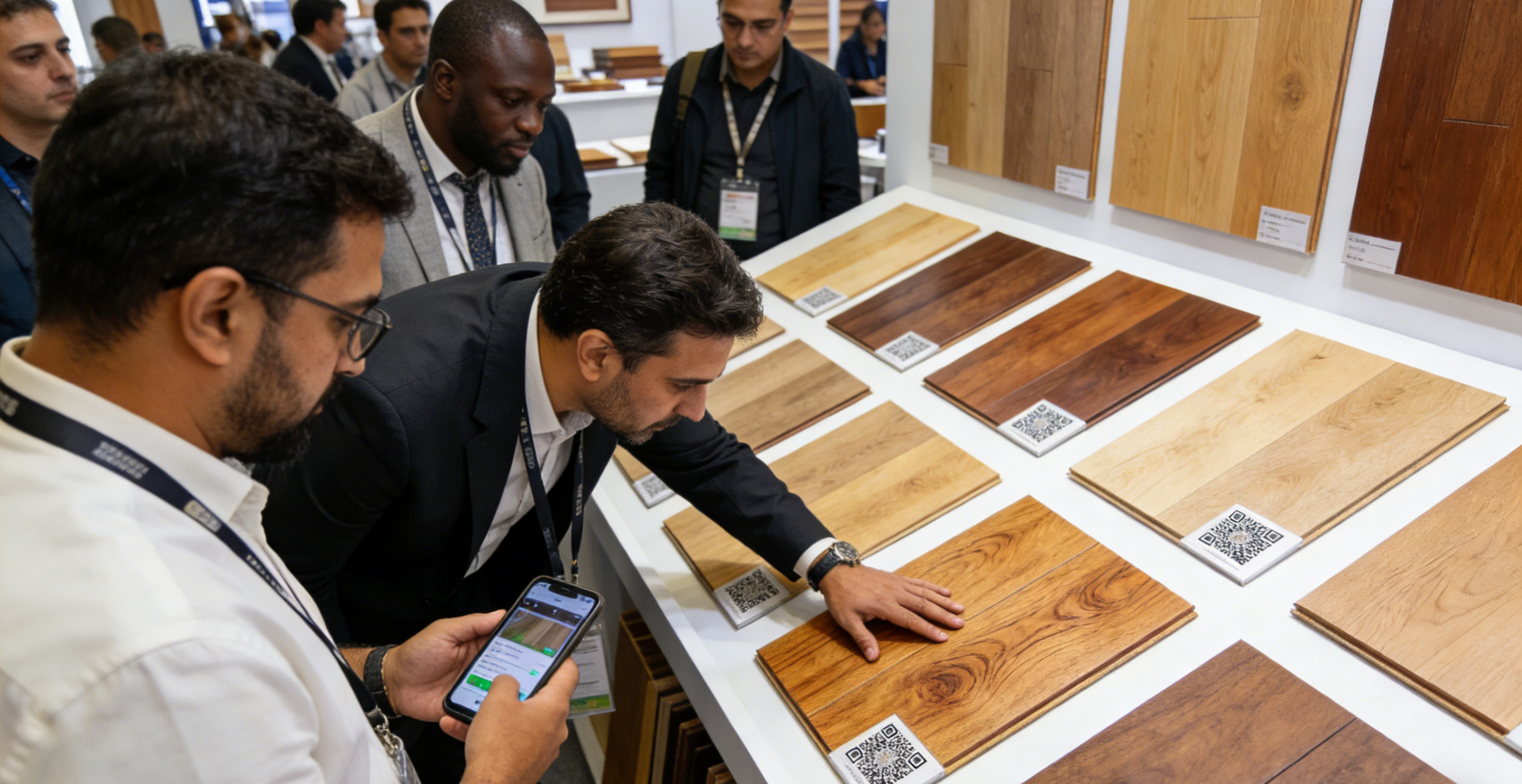
Regional Service Packages: Offer basic maintenance training for African gyms, eco-friendly cleaning kits for Europe, and 24/7 support for U.S. franchises. Brands like HMTX provide QR-code access to regional maintenance guides.
Localized Service Networks: Establish repair centers in key hubs—e.g., Johannesburg for Africa, Berlin for Europe, Jakarta for Southeast Asia. DOMOTEX asia/CHINAFLOOR connects businesses with regional service partners.
Transparent, Regional Warranty Terms: Tailor warranties to market expectations—10-year coverage for Europe/U.S., 5-year for Asia, 3-year for Africa—with clear coverage for region-specific risks (e.g., moisture damage in Indonesia).
About DOMOTEX asia/CHINAFLOOR
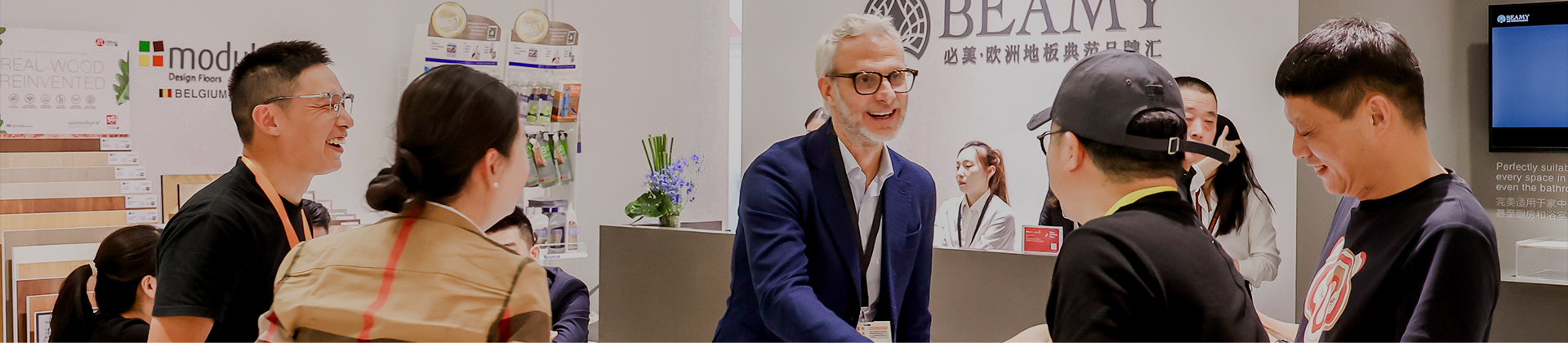
As the leading international B2B floorcovering trade show in the Asia-Pacific region, DOMOTEX asia/CHINAFLOOR is the ultimate platform for gym flooring businesses to address 2026’s global challenges. Held annually at the National Exhibition and Convention Center (Shanghai), the 2026 edition (May 27–29) offers:
210,000 sqm of exhibition space featuring 1,500+ global brands specializing in gym flooring materials (rubber, LVT, recycled blends), production equipment, and installation tools. Key exhibitors include Gerflor (Europe), Tarkett (global), Power Dekor (Asia), and Armstrong FLOORING (U.S.).
Global networking opportunities with 83,850+ visitors (including 17,923 international attendees from 117 countries), including gym owners from Malaysia, Indonesia, South Africa, Germany, the U.S., and beyond.
Regional Focused Events: The Flooring Innovation Summit features panels on global gym flooring trends, while the International Buyer Club facilitates personalized business matching—connecting suppliers with regional buyers seeking solutions to local challenges.
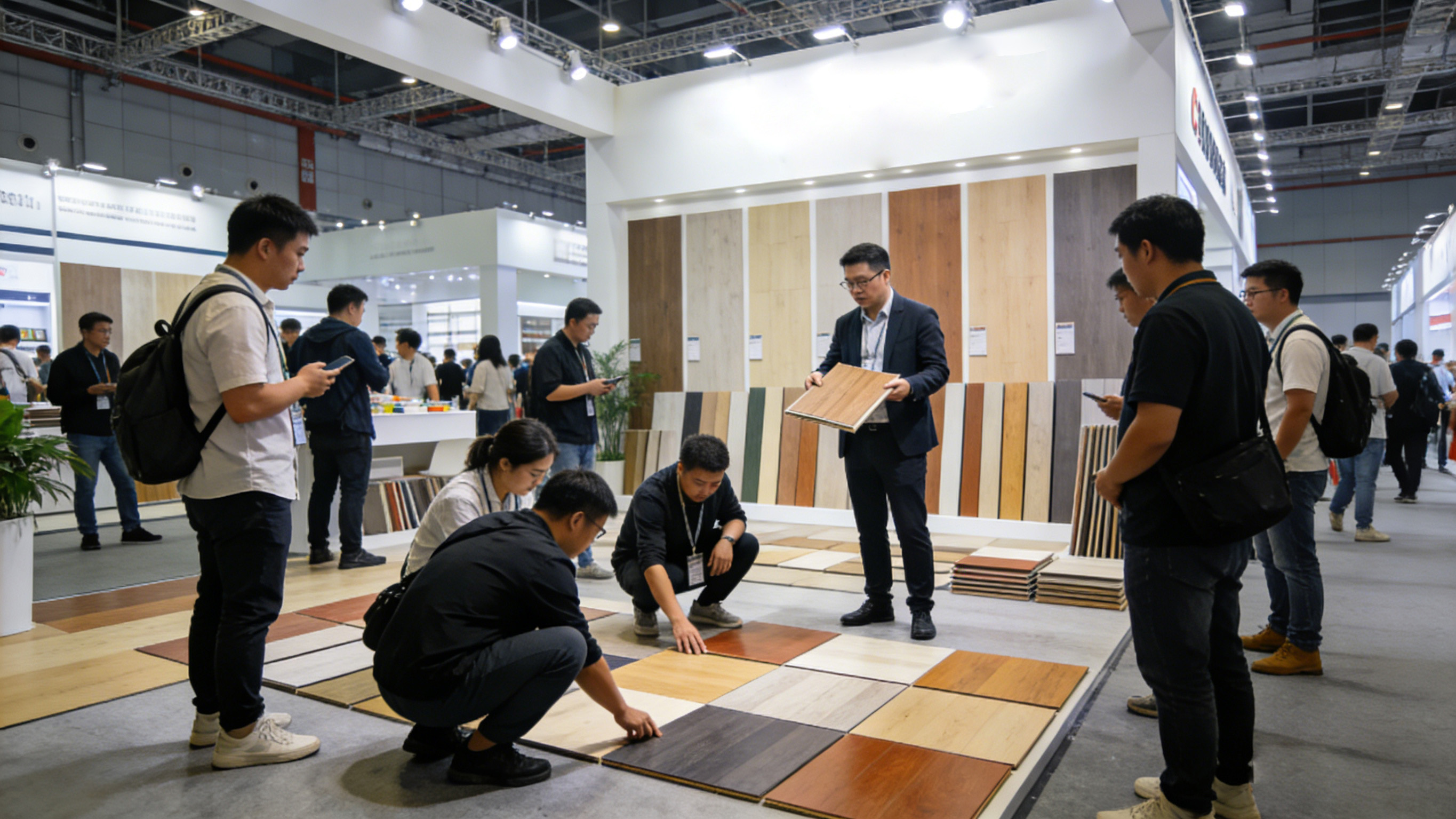
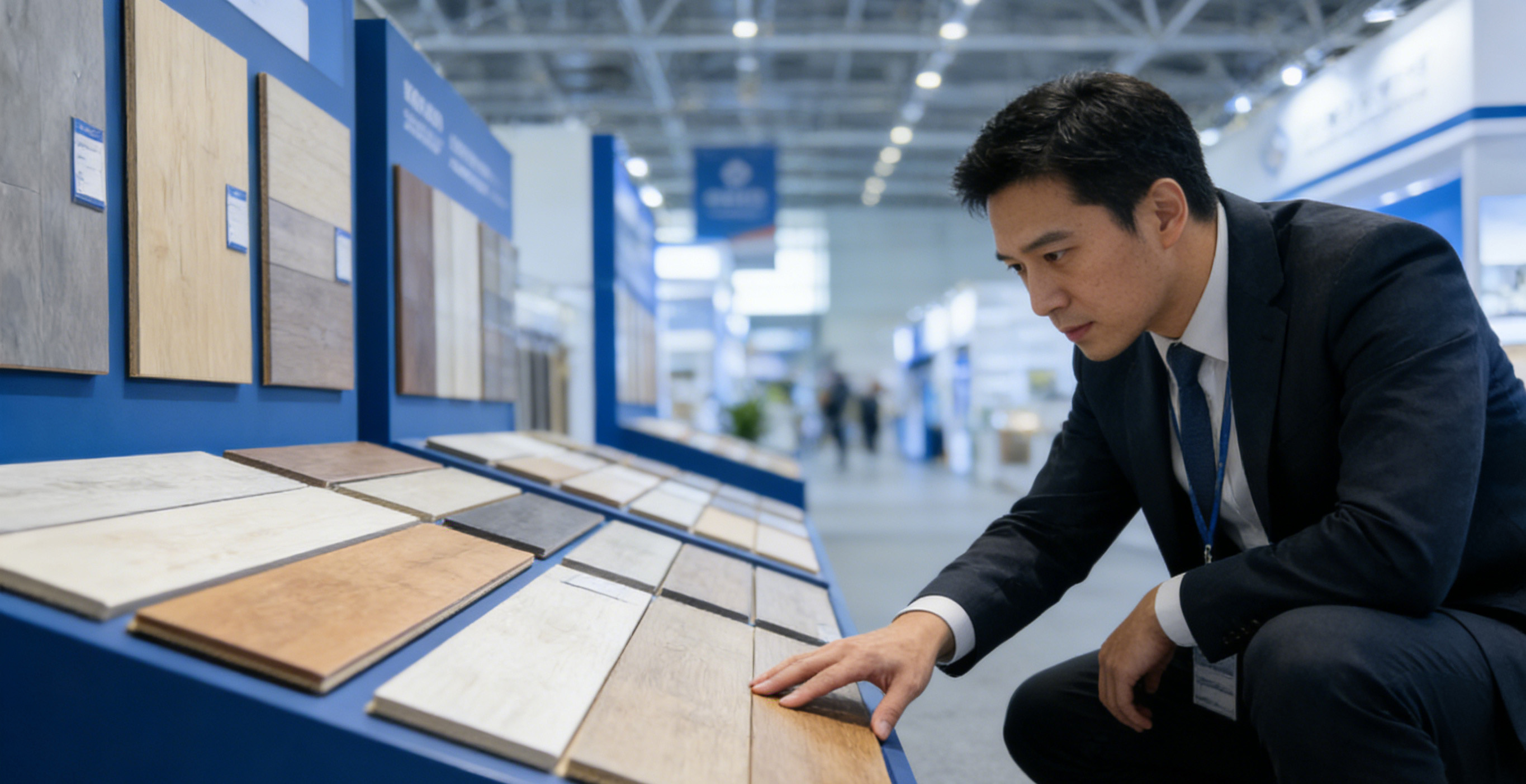
Hands-On Demonstrations: Test climate-adapted materials, modular installation systems, and maintenance tools tailored to diverse markets.
DOMOTEX asia/CHINAFLOOR isn’t just an exhibition—it’s a hub for global collaboration. Whether you’re a manufacturer sourcing regional materials, an installer seeking training, or a gym owner in need of market-specific flooring, the show provides the tools to thrive in 2026.
Learn more: https://www.domotexasiachinafloor.com
FAQ: Key Questions About Global Gym Flooring Challenges 2026
Q: What material adaptations are needed for humid Asian markets like Indonesia?
A:Humid markets require moisture-resistant materials like LVT or treated rubber. Brands should also offer anti-mold coatings and climate-specific installation techniques to prevent warping.
Q: How do European sustainability mandates differ from other regions?
A:Europe (e.g., France, Germany) requires 60%+ recycled content and low-VOC emissions by 2026, while the U.S. uses LEED incentives and Africa’s market is adopting basic recycled options. Asia balances sustainability with cost—Malaysia’s gyms prefer 30–50% recycled content.
Q: Why is skilled labor a bigger challenge in Europe than Africa?
A:Europe requires certified installers (e.g., Germany’s flooring certification programs), leading to shortages. Africa has abundant unskilled labor, but lacks formal training—solution is on-the-job training and modular installation systems that reduce skill requirements.
Q: What warranty terms work for different regions?
A:Europe/U.S. demand 10-year warranties, Asia 5-year, and Africa 3-year. Warranties should cover region-specific risks (e.g., moisture damage in Indonesia, cold-related cracks in Germany).
Q: How can gym flooring businesses adapt to U.S. franchise timelines?
A:Use modular, click-lock systems that reduce installation to 3–5 days. Partner with regional installation teams to ensure quick turnaround and minimize downtime for franchises.
Q: How does DOMOTEX asia/CHINAFLOOR help address global gym flooring challenges?
A:The show connects businesses with regional suppliers, certified installers, and market-specific materials. It also offers insights on regional regulations, sustainability mandates, and consumer preferences—ideal for global expansion.
Final Thoughts
2026’s gym flooring challenges are deeply regional, but with the right strategies—customized materials, localized installation, and tailored service—businesses can turn hurdles into opportunities. Whether adapting to Indonesia’s humidity, Europe’s sustainability mandates, U.S. franchise timelines, or Africa’s labor constraints, success lies in understanding regional nuances and leveraging global networks.
As the organizer of DOMOTEX asia/CHINAFLOOR, we’re committed to connecting gym flooring professionals worldwide with the solutions, insights, and partners they need to thrive. The 2026 edition is the perfect platform to source region-specific materials, learn from global industry leaders, and build partnerships that span continents.
Mark your calendars for May 27–29, 2026, and join us in Shanghai to unlock the full potential of the global gym flooring market. Let’s collaborate, innovate, and overcome 2026’s challenges—together.
Got insights or questions about global gym flooring challenges? Drop them in the comments—I’d love to hear your thoughts!
Disclaimer
Any information provided here is for informational purposes only. It should not be considered as legal, accounting, or tax advice. Prior to making any decisions, it’s the responsibility of the reader to consult their accountant and lawyer. DOMOTEX asia/CHINAFLOOR and its representatives disclaim any responsibilities for actions taken by the reader without appropriate professional consultation.


 May 27-29, 2026
 National Exhibition and Convention Center (Shanghai)