Carpet Manufacturing Trends in Asia: Innovation, Design, and Opportunities at DOMOTEX asia
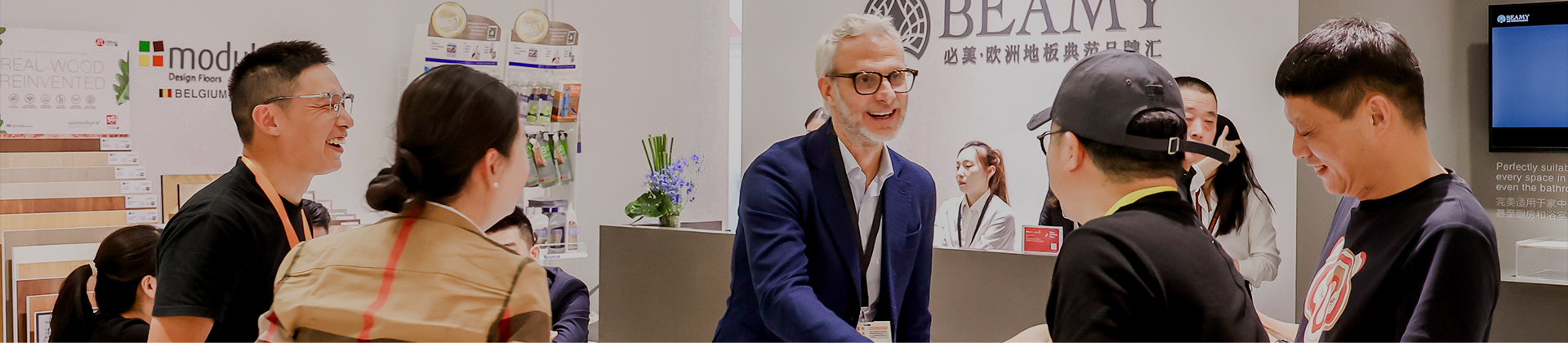
As the organizer of DOMOTEX asia/CHINAFLOOR, the premier carpet manufacturing event in the Asia-Pacific region, we’ve witnessed firsthand the dynamic evolution of Asia’s carpet industry. Driven by urbanization, shifting consumer preferences, and technological advancements, carpet manufacturing trends in Asia are reshaping global markets—from sustainable production to culturally inspired carpet design and efficient carpet wholesale networks. However, the sector also faces unique hurdles, from supply chain complexities to regulatory compliance. Drawing from our 2025 post-show data, exhibitor insights, and industry expertise, this article explores the key trends, challenges, and opportunities in Asian carpet manufacturing, while highlighting how our carpet manufacturing event serves as a catalyst for growth and collaboration.
1. Key Carpet Manufacturing Trends Defining Asia’s Market
Asia’s carpet manufacturing landscape is evolving at a rapid pace, with four core trends leading the transformation:
Sustainable Manufacturing Takes Center Stage
Sustainability has become a non-negotiable priority in Asian carpet manufacturing, driven by global environmental regulations and consumer demand for eco-friendly products. Manufacturers across China, India, and Southeast Asia are adopting green practices, such as using recycled plastic bottles, natural fibers like bamboo and jute, and low-VOC dyes. At DOMOTEX asia/CHINAFLOOR 2025, 68% of carpet exhibitors showcased sustainable products, including recycled polyester carpets and biodegradable wool blends. For example, Indian manufacturers highlighted hand-woven carpets made from reclaimed silk, while Chinese brands like Power Dekor (圣象) presented carpet tiles with 70% recycled content—aligning with Asia’s growing focus on circular economy principles. This trend is not just ethical; it’s market-driven: our post-show report revealed that 71% of carpet wholesale buyers prioritize sustainability credentials when sourcing products.
Culturally Infused Carpet Design Meets Global Aesthetics
Carpet design in Asia is a fusion of traditional motifs and modern minimalism, catering to both local and international markets. Manufacturers are leveraging cultural heritage to create unique designs—for instance, Indian carpets feature intricate paisley patterns, while Indonesian brands incorporate batik-inspired prints. At the same time, global design trends like neutral tones and geometric shapes are influencing production, ensuring products appeal to Western buyers. The 2025 Chinese Original Carpet Design Show, a concurrent event at our carpet manufacturing event, showcased 43 award-winning designs that blended traditional craftsmanship with contemporary styles, attracting significant interest from carpet wholesale buyers and interior designers. This balance of cultural identity and global appeal has made Asian carpets highly sought-after in luxury residential and commercial projects worldwide.
Technological Innovation Enhances Efficiency and Quality
Technology is revolutionizing carpet manufacturing in Asia, from automated production lines to digital design tools. Advanced weaving machines with computerized pattern control have reduced material waste by 35% and increased production speed by 40%, particularly in China and South Korea. 3D printing technology is also gaining traction, enabling manufacturers to create custom carpet designs with intricate details—ideal for high-end commercial spaces like hotels and offices. Additionally, digital platforms are streamlining the carpet wholesale process: manufacturers are using AI-powered tools to predict demand, manage inventory, and connect directly with buyers, reducing lead times from weeks to days. At DOMOTEX asia/CHINAFLOOR, exhibitors demonstrated how these technologies improve quality control, ensuring consistent texture and color across bulk orders— a key concern for carpet wholesale partners.
Customization Drives Demand for Niche Markets
One-size-fits-all carpets are a thing of the past; Asian manufacturers are embracing customization to cater to diverse client needs. From custom sizes and colors to branded carpet tiles for corporate clients, customization is becoming a competitive differentiator. For example, Malaysian manufacturers offer moisture-resistant carpets tailored to Southeast Asia’s humid climate, while Japanese brands create compact, modular carpets for urban apartments. Our 2025 show’s “Customization Zone” allowed carpet wholesale buyers to collaborate directly with manufacturers on bespoke designs, resulting in a 41% conversion rate for custom orders. This trend is particularly strong in the commercial sector, where hotels, retail stores, and offices seek unique carpets to enhance their brand identity.
2. Carpet Manufacturing Challenges in Asia
Despite robust growth, Asian carpet manufacturers face several hurdles that require strategic solutions:
Supply Chain Volatility and Logistical Complexities
Raw material price fluctuations—particularly for wool, polyester, and dyes—pose a significant challenge for manufacturers. For example, wool prices rose 18% in 2025 due to global supply shortages, impacting profit margins for Indian and Pakistani manufacturers. Additionally, managing logistics across Asia’s diverse geographies—from remote weaving villages in India to urban factories in China—can lead to delays and increased costs. At DOMOTEX asia/CHINAFLOOR, we address this by facilitating connections with reliable suppliers and logistics partners through our exclusive Buyer Club. Many manufacturers at the show reported reducing supply chain risks by diversifying sourcing networks—for instance, sourcing recycled materials from local suppliers to avoid import delays.
Regulatory Compliance and Quality Standards
Different countries in Asia have varying regulations for carpet manufacturing, including environmental standards, safety requirements, and import/export rules. For example, China’s strict emissions policies require manufacturers to invest in low-pollution equipment, while the EU’s REACH regulation restricts certain chemicals in carpets destined for export. Meeting these standards can be costly, especially for small and medium-sized enterprises (SMEs). Our carpet manufacturing event helps navigate this complexity by hosting workshops on regulatory compliance, featuring experts from organizations like the China National Forest Products Industry Association (CNFPIA). In 2025, 90% of exhibitors who attended these workshops reported improved confidence in meeting international standards.
Intense Competition and Price Pressure
Asia’s carpet market is highly competitive, with numerous local and international manufacturers vying for market share. Local brands often have cost advantages due to lower labor and production costs, putting pressure on international players to differentiate their offerings. Price competition is particularly fierce in the carpet wholesale segment, where buyers prioritize cost-effectiveness. To stand out, manufacturers are focusing on value-added features like durability, eco-friendliness, and unique carpet designs. At DOMOTEX asia/CHINAFLOOR, we’ve seen successful manufacturers leverage the show’s global audience to showcase their unique selling points—for example, European brands highlighting premium craftsmanship, while Asian SMEs emphasize customization and sustainability.
3. DOMOTEX asia/CHINAFLOOR: Your Gateway to Navigating Asia’s Carpet Manufacturing Landscape
As one of main exhibit category in the asia-pacific leading carpet manufacturing event, DOMOTEX asia/CHINAFLOOR is designed to empower manufacturers, carpet wholesale buyers, and designers to thrive in this dynamic market. Scheduled for May 27-29, 2026, at the National Exhibition and Convention Center (Shanghai), our show offers unrivaled resources:
Global Networking and Business Matching
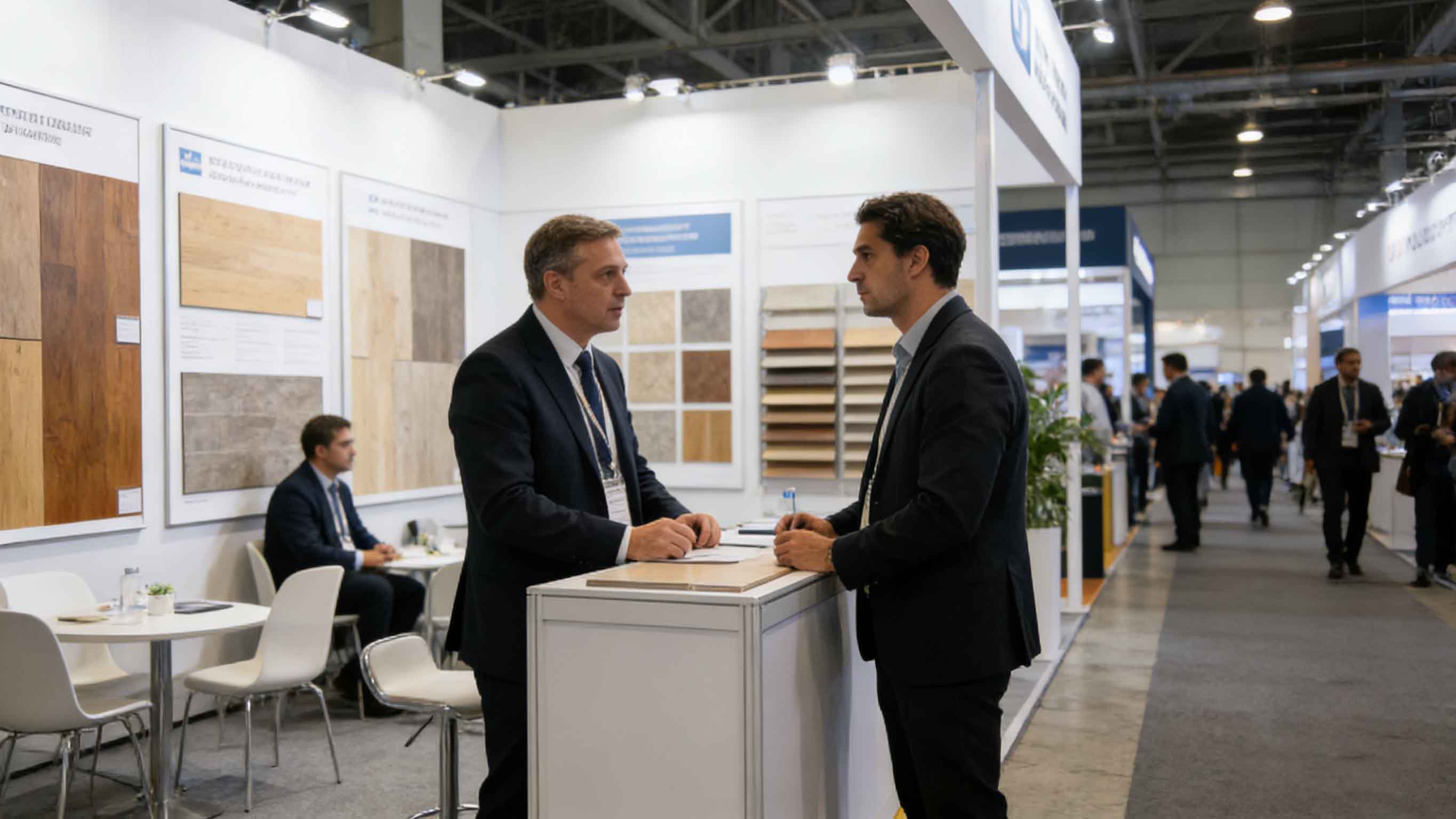
Our event attracts over 83,056 visitors from 124 countries, including 18,121 international carpet wholesale buyers, architects, and interior designers. The exclusive Buyer Club facilitates one-on-one meetings between manufacturers and pre-qualified buyers, based on product needs, geographic focus, and sustainability goals. In 2025, this service resulted in over 450 successful business partnerships, with many manufacturers securing long-term carpet wholesale contracts. For example, an Indian hand-woven carpet manufacturer connected with 12 European distributors at the show, expanding their global reach by 30%.
Comprehensive Exhibit Scope for Carpet Manufacturing
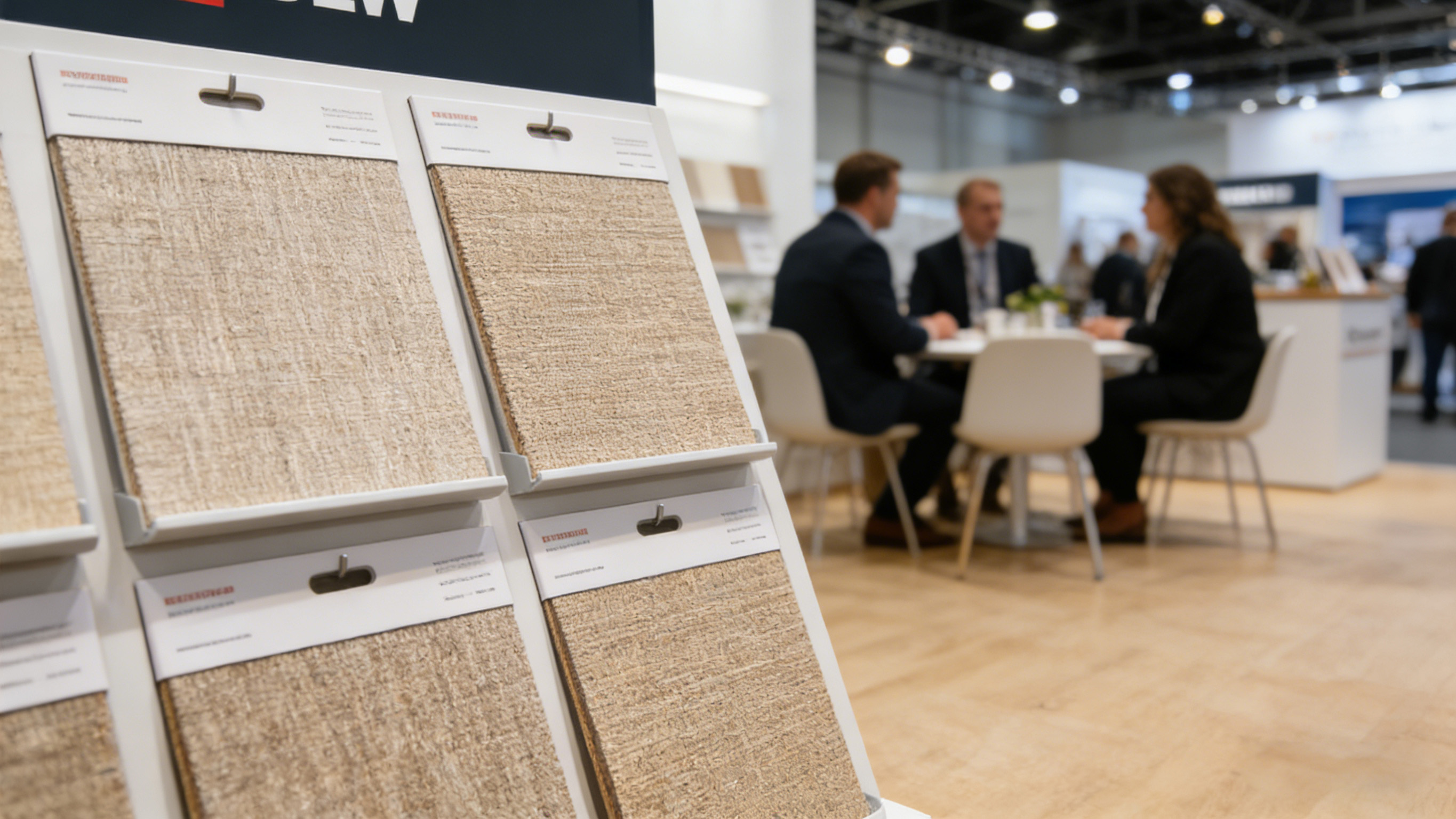
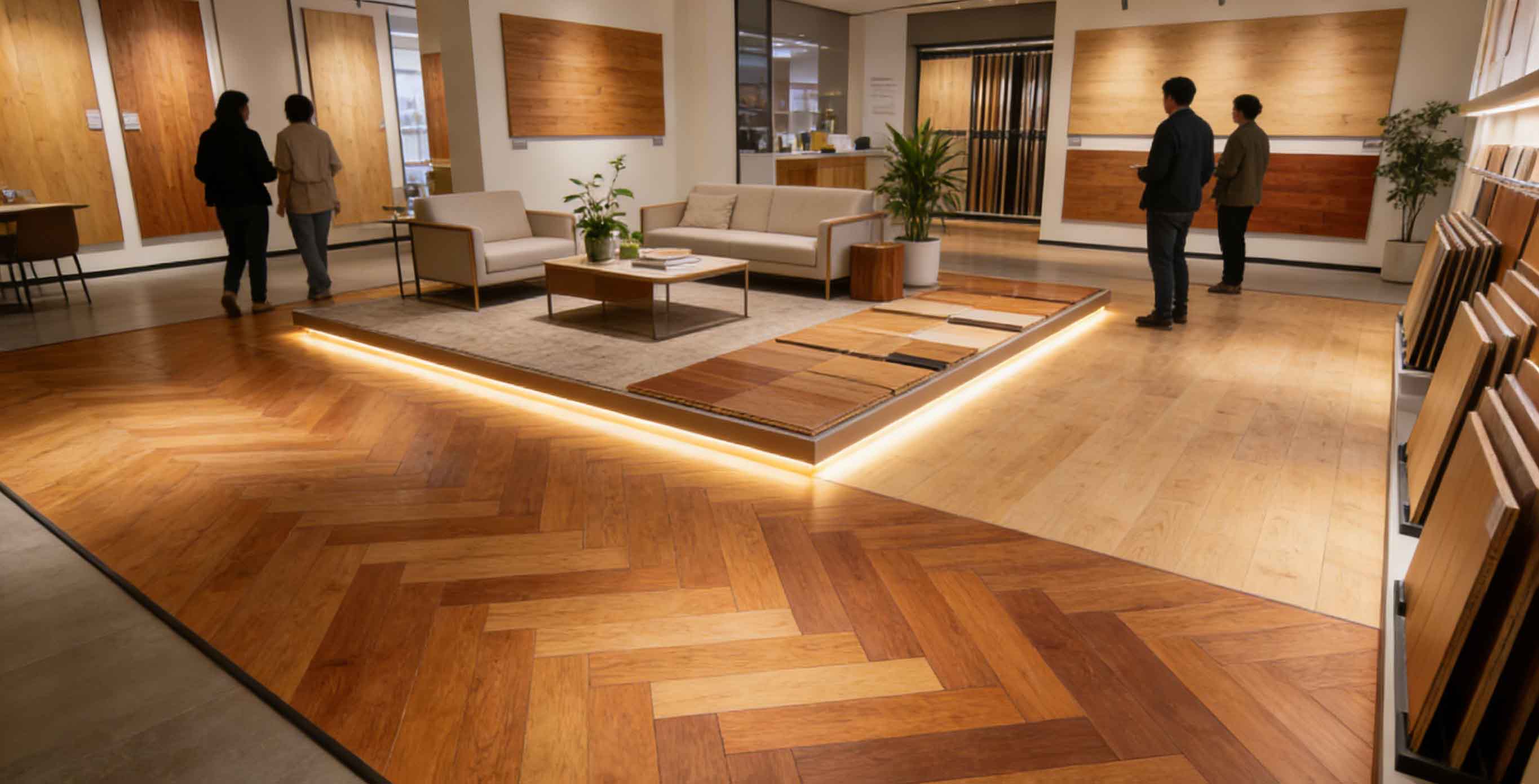
The show’s 210,000 sqm exhibition space features a dedicated carpet zone, showcasing the full spectrum of products and technologies—from hand-woven wool carpets to machine-made carpet tiles, sustainable materials, and digital design tools. Leading manufacturers from 124 countries, including Gerflor, Tarkett, and local favorites like Anxin Flooring (安信地板), showcase their latest innovations. The 2026 edition will expand the sustainable carpet zone, highlighting eco-friendly production processes and recycled materials—addressing the growing demand for green products in the carpet wholesale market.
Trend Insights and Knowledge Sharing
Concurrent events at our carpet manufacturing event provide valuable industry insights, including the Carpet & Textile Ecosystem Summit and Flooring Innovation Summit. These sessions feature experts discussing carpet manufacturing trends, regulatory updates, and design forecasts. In 2025, the “Future of Carpet Design” panel explored how AI and cultural heritage are shaping the industry, with manufacturers and designers sharing actionable strategies. Additionally, the Chinese Original Carpet Design Show offers inspiration and recognition for emerging designers, fostering innovation in carpet design.
Support for Overcoming Manufacturing Challenges
We address carpet manufacturing challenges head-on by connecting manufacturers with solution providers—from raw material suppliers to logistics partners and regulatory consultants. Our 2025 show featured a “Supply Chain Solutions Zone,” where manufacturers learned about cost-effective sourcing, inventory management, and compliance tools. SMEs, in particular, benefit from the show’s resources, with 76% of small-scale manufacturers reporting improved business outcomes after participating.
4. Success Stories from DOMOTEX asia/CHINAFLOOR 2025
Numerous manufacturers have leveraged our carpet manufacturing event to drive growth and overcome challenges:
A Vietnamese carpet manufacturer specializing in sustainable jute carpets connected with 8 carpet wholesale buyers from Europe and North America at the 2025 show, resulting in a 50% increase in export sales. They attributed their success to the show’s focus on sustainability, which aligned with their product offerings.
A Chinese SME showcasing custom carpet tiles for commercial spaces secured a contract with a major hotel chain through the Buyer Club’s business matching service. The manufacturer noted that the show’s global audience allowed them to bypass intermediaries and connect directly with decision-makers.
An Indian hand-woven carpet brand used the Chinese Original Carpet Design Show to launch a new collection blending traditional paisley patterns with modern colors. The collection received significant interest from carpet wholesale buyers, leading to partnerships with 5 Asian distributors.
carpet manufacturing trend
Asia’s carpet manufacturing industry is defined by innovation, sustainability, and cultural diversity—with carpet manufacturing trends like eco-friendly production, customized carpet design, and technological advancement driving growth. While carpet manufacturing challenges such as supply chain volatility and competition exist, DOMOTEX asia/CHINAFLOOR provides the tools, connections, and insights to navigate them successfully. As the premier carpet manufacturing event in the Asia-Pacific region, we’re committed to fostering collaboration between manufacturers, carpet wholesale buyers, and designers, ensuring Asia remains a global leader in the carpet industry.
Join us at DOMOTEX asia/CHINAFLOOR 2026 in Shanghai to explore the latest carpet manufacturing trends, showcase your products to a global audience, and forge valuable partnerships. Whether you’re a manufacturer looking to expand your carpet wholesale network, a designer seeking inspiration for carpet design, or a buyer sourcing sustainable products, our show is your gateway to success in Asia’s dynamic carpet market. Let’s collaborate, innovate, and shape the future of carpet manufacturing—together.
Disclaimer
Any information provided here is for informational purposes only. It should not be considered as legal, accounting, or tax advice. Prior to making any decisions, it’s the responsibility of the reader to consult their accountant and lawyer. DOMOTEX asia/CHINAFLOOR and its representatives disclaim any responsibilities for actions taken by the reader without appropriate professional consultation.


 May 27-29, 2026
 National Exhibition and Convention Center (Shanghai)