Guide for International Geothermal Solid Wood Flooring Distributors in Selecting Partners
I. Introduction: Under Global Geothermal Popularization, Choosing the Right Partner is Key to Cross-Border Success
With the advancement of the global "carbon neutrality" goal and the upgrading of comfortable home concepts, the penetration rate of geothermal systems in core markets such as Europe, North America, and the Asia-Pacific region continues to rise, driving the steady growth of the international geothermal solid wood flooring niche category.
Data shows that the global solidwood flooring market size exceeded 100 billion US dollars in 2023, of which geothermal-adapted solid wood flooring accounted for more than 45%. It is expected that the compound annual growth rate of the global market will reach 7.09% by 2032. For international distributors, this cross-border track not only presents incremental opportunities but also faces multiple challenges such as global standard differences, cross-border supply chain fluctuations, and regional demand adaptation.
At the critical period when the global flooring industry is transforming towards high quality and greenization, the core competitiveness of international distributors has shifted from simple channel resources to the collaborative capability of "compliant products + reliable cross-border partners".
A geothermal solid wood flooring that meets target market standards and has stable quality can significantly reduce cross-border operational risks; while a partner with global compliance capabilities and in-place supply chain guarantees is the core support for distributors to explore the international market and improve profitability.
Combining the current development trends of the international geothermal solid wood flooring industry, this article provides a scientific and practical guide for international distributors to select partners, helping them accurately screen high-quality partners and achieve sustainable cross-border development.
II. Pre-Cooperation Evaluation: Four Core Dimensions to Lay a Solid Foundation for Cross-Border Cooperation
The primary link for international distributors to select partners is to conduct a comprehensive pre-cooperation evaluation to avoid falling into compliance risks, quality disputes, or supply chain traps due to blind cooperation. The core is to focus on four major dimensions: global compliance capabilities, cross-border product adaptability, international brand reputation, and cross-border service capabilities for initial screening.
2.1 Dimension 1: Evaluate Global Compliance Capabilities to Avoid Cross-Border Policy Risks
Compliance is the premise of cross-border cooperation. Distributors need to focus on evaluating the brand's global standard adaptation capabilities and compliance certification reserves. Environmental protection, safety, and performance standards for geothermal solid wood flooring vary significantly across countries and regions.
For example, Europe recognizes the EPLF mark certification, the United States implements CARB certification (formaldehyde emission below 0.05ppm), Japan enforces the F4 Star standard (average formaldehyde emission limit not higher than 0.3mg/L), while China's ENF level standard (≤0.025mg/m³) has become one of the most stringent standards in the world.
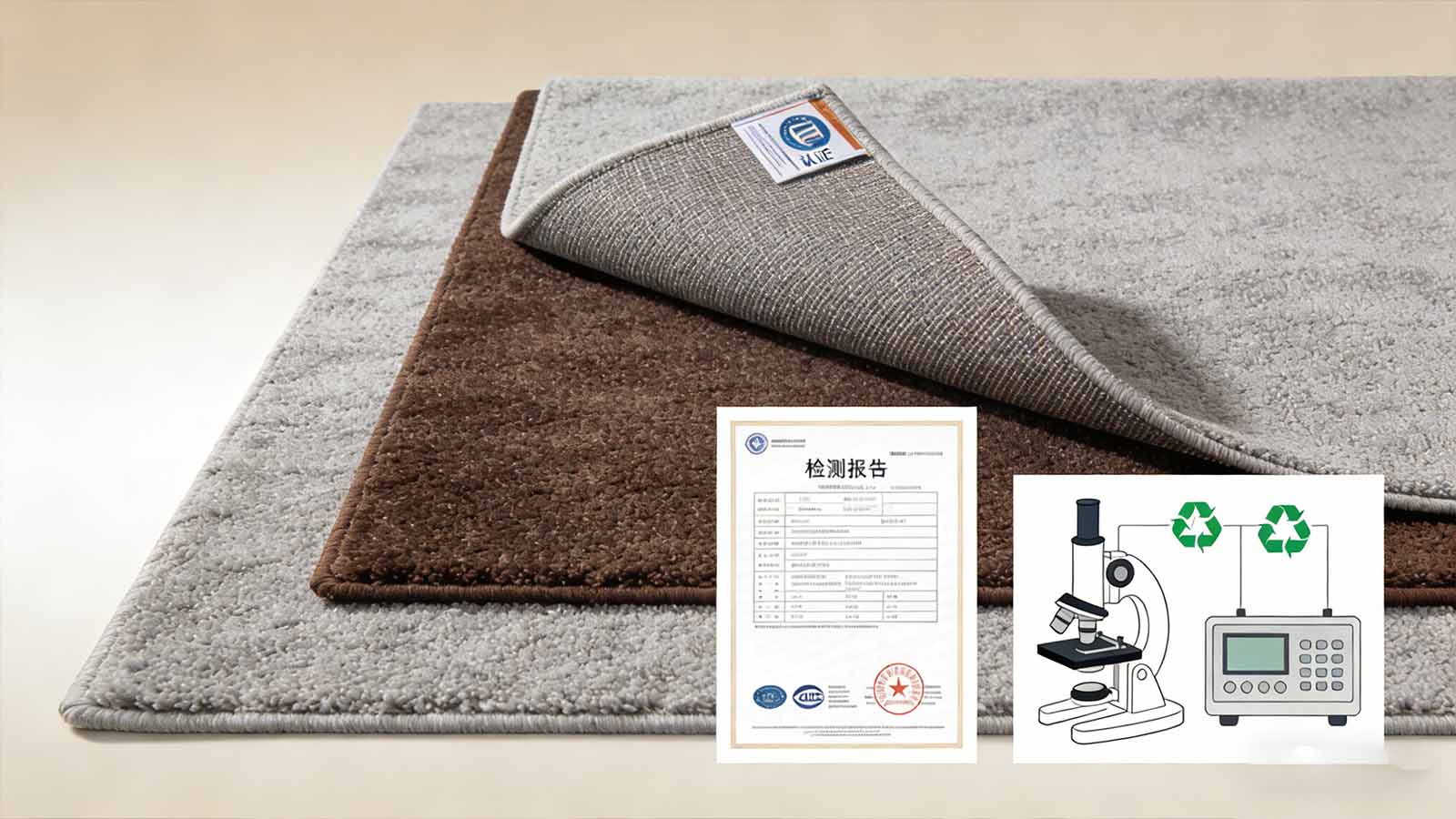
Specific evaluation points include: whether it has a full range of certifications required by the target market, such as CE certification for export to Europe, FloorScore® certification for export to North America, and LEED or BREEAM green building certification for high-end projects; whether it has established a dynamic standard tracking mechanism to promptly adapt to policy adjustments in various countries, such as carbon footprint tracing requirements after the implementation of the EU Carbon Border Adjustment Mechanism (CBAM); whether it has a complete set of compliance document systems, including certificates of origin, material testing reports, and environmental protection certification documents, to ensure smooth customs clearance of products.
Prioritizing brands that have deployed in 29 countries and regions and have mature cross-border compliance experience can significantly reduce policy risks.
2.2 Dimension 2: Verify Cross-Border Product Adaptability to Match Regional Market Demands
The core competitiveness of geothermal solid wood flooring in cross-border markets lies in "regional adaptability". Distributors need to focus on verifying whether the products meet the geothermal scenarios, climatic conditions, and consumer preferences of the target market. The core evaluation indicators include three aspects: first, geothermal adaptability and stability.
High-quality products need to solve the adaptation problems of different geothermal systems through special technologies. For example, European water heating systems require the moisture content of flooring to be accurately controlled at 6%-8%, and North American electric heating systems require the thermal expansion and contraction coefficient to be ≤0.03mm/m².
The double-lock mortise and tenon structure of Boer Flooring can adapt to extreme environments from -40℃ to 60℃, and its thermal stability far exceeds international standards; second, environmental protection level, which must meet the highest environmental protection standards of the target market.
Priority should be given to products using NAF formaldehyde-free exemption technology or soybean protein adhesives. For example, the formaldehyde emission of Boer Flooring at 35℃ high temperature is only 0.008mg/m³, which is far better than the ENF level standard; third, function and style adaptability.
The European market prefers minimalist herringbone parquet flooring, the North American market focuses on wear resistance and antibacterial performance, and the Asia-Pacific market favors solid wood tone products. It is necessary to ensure that the product system matches regional demands.
At the same time, distributors need to screen brands based on their own channel positioning: distributors focusing on the high-end villa market can choose brands with FSC-certified rare wood substrates, such as Boer's FSC-certified Myanmar teak series; distributors focusing on commercial projects can prioritize brands with antibacterial functions and customization capabilities such as Syou Flooring.
Its silver ion antibacterial technology has a 99.9% killing rate against Staphylococcus aureus, making it suitable for scenarios such as medical care and luxury stores.
2.3 Dimension 3: Investigate International Brand Reputation to Reduce Cross-Border Promotion Costs
The international reputation of a brand directly affects cross-border promotion efficiency and terminal transaction rate. Distributors can investigate reputation through three major channels: first, terminal consumer feedback. Understand consumer satisfaction with brand products through evaluations on e-commerce platforms in the target market (such as Amazon in Europe and Home Depot in North America) and discussions on home forums, focusing on whether there are negative feedbacks such as high-temperature deformation and excessive formaldehyde emission; second, cross-border peer evaluations.
Consult international distributors operating geothermal solid wood flooring in other regions about their cooperation experience, focusing on key issues such as the provision of compliance documents, after-sales response, and supply chain stability; third, international authoritative endorsements.
Verify whether the brand has passed certifications from international institutions such as SGS (Switzerland) and TÜV (Germany), and whether it has well-known cross-border project cases. For example, Tiangge Flooring participated in the Beijing Aman Summer Palace Hotel project and won the LEED Gold Award for indoor environmental protection, with significant international reputation.
2.4 Dimension 4: Evaluate Cross-Border Service Capabilities to Ensure Smooth Cooperation
Service guarantee for cross-border cooperation is crucial. Distributors need to focus on evaluating the brand's cross-border service capabilities.
The core evaluation points include: whether it has a professional cross-border service team that can provide services such as multilingual communication and international logistics solution design; whether it has a clear cross-border settlement system that supports multi-currency payment and reasonable credit terms; whether it provides customs clearance support, assisting in preparing compliance documents such as certificates of origin and fumigation certificates to avoid additional costs due to customs clearance delays.
III. During-Cooperation Investigation: Five Key Links to Verify Cross-Border Cooperation Value
After initially evaluating and screening potential partners, distributors need to conduct on-site inspections and in-depth communications, focusing on verifying the actual measured quality of products, cross-border supply chain guarantees, compliance support capabilities, policy support, and the completeness of the after-sales system to ensure that the cooperation value matches their own needs.
3.1 Conduct On-Site Inspections of Production Bases to Verify Global Quality Control Capabilities
Production bases are the "source guarantee" for the quality of cross-border products, and distributors must conduct on-site inspections. Focus on three core links: first, raw material selection link, whether to use substrates that meet international standards, and whether to establish an international forest certification system such as FSC; second, production process link, whether to have special modification treatment processes for geothermal flooring, such as high-temperature cooking and balanced curing, and whether to introduce intelligent control equipment such as AI visual quality inspection.
Yangzi Flooring's Industry 4.0 intelligent factory realizes full-process precise quality control to ensure the consistency of exported products; third, finished product testing link, whether to have a self-built laboratory that meets international standards, and whether to adopt authoritative testing methods such as the climate chamber method (35℃ high-temperature environment) to ensure that each batch of products meets the target market standards.
During the inspection, samples can be taken on-site for targeted testing: such as simulating the geothermal environment of the target market (e.g., 40℃ high temperature) to observe whether there is obvious deformation within 24 hours; verifying the formaldehyde emission through internationally recognized testing instruments to avoid choosing brands that are "only compliant on paper".
3.2 Verify Cross-Border Supply Chain Guarantees to Avoid Out-of-Stock and Delay Risks
Cross-border consumption of geothermal solid wood flooring has obvious seasonality. For example, there will be a peak in centralized purchases before the heating season in Europe (September-October) and before winter in North America (November-December).
Supply chain capabilities directly affect the sales performance of distributors. Distributors need to focus on verifying: whether the brand has multi-regional production bases or overseas warehouse layouts, such as Kendia having 6 green production bases that can achieve rapid global supply; whether it has emergency supply capabilities, clarifying the replenishment cycle when out of stock and alternative sea/air freight solutions to avoid missing the sales peak due to stockouts; whether it has established a digital supply chain platform that can real-time track order progress and logistics information to improve cross-border operational efficiency.
3.3 In-Depth Communication on Compliance and Policy Support to Clarify Profit Guarantees
Policy support is an important guarantee for the profitability of international distributors. All cross-border cooperation details need to be clarified before cooperation.
The core focuses on four major policies: first, price policy, whether there is a clear cross-border price system, whether a reasonable profit margin is set, and whether there is a strict regional price control mechanism to prevent parallel imports; second, rebate policy, clarifying rebate conditions, rebate rates, and redemption methods (multi-currency settlement),
prioritizing brands with transparent and timely rebate policies; third, promotion support, whether to provide advertising materials for the target market, exhibition support (such as DOMOTEX international exhibition), and localized marketing solutions; fourth, compliance support, whether to bear customs clearance losses caused by the lack of compliance documents, and whether to provide early warnings and response plans for policy changes.
3.4 Evaluate Cross-Border After-Sales System to Reduce Service Pressure
Cross-border installation and after-sales service of geothermal solid wood flooring have high professional requirements. The brand's service support can significantly reduce the operational pressure of distributors. The key inspection points include:
whether to provide multilingual installation manuals and standardized installation processes, and whether there are oversea
s cooperative installation team resources; whether to be equipped with a professional cross-border after-sales team, clarifying the after-sales response time (suggested within 24 hours) and problem-solving mechanisms, such as return and exchange
processes and overseas warehouse replenishment plans in case of product quality problems; whether to provide value-added services such as BIM pre-laying reports and overseas on-site maintenance.
Boer Flooring has deployed pre-colored repair material libraries in 17 central cities, and its 4-hour emergency response service can effectively solve cross-border after-sales problems.
IV. Post-Cooperation Guarantee: Two Key Actions to Achieve Long-Term Cross-Border Win-Win
High-quality cross-border cooperation is not a one-time decision for life. After cooperation, distributors still need to do a good job in dynamic evaluation and collaborative operation to ensure that the cooperative relationship is stable and continues to create value.
4.1 Establish a Cross-Border Dynamic Evaluation Mechanism to Adjust Cooperation Strategies in a Timely Manner
Distributors should establish a quarterly cross-border cooperation evaluation mechanism to comprehensively evaluate partners from dimensions such as product customs clearance efficiency, sales data, terminal feedback, policy redemption, and after-sales problem-solving efficiency.
If problems such as non-compliant products, supply chain delays, and untimely after-sales responses occur, timely communication with the brand for rectification is required; if rectification is ineffective, the cooperation strategy should be resolutely adjusted and the suitable brand should be replaced. On the contrary, if the international reputation of the cooperative brand is improved and the product system is continuously optimized, in-depth cooperation can be considered, such as expanding more target markets and increasing product categories.
4.2 Strengthen Cross-Border Collaborative Operation to Achieve Win-Win Between Manufacturers and Distributors
A high-quality cross-border cooperative relationship is the result of two-way empowerment. Distributors should take the initiative to feed back changes in target market demands to the brand, such as regional consumers' preferences for product styles and functions, to help the brand optimize the product system; actively cooperate with the brand's international exhibitions and localized marketing activities to improve terminal sales with the help of brand resources.
At the same time, the brand should also appropriately optimize cross-border support policies according to the distributor's market performance, such as increasing overseas warehouse reserves and upgrading the multilingual service system, forming a cross-border cooperation model of "manufacturer-distributor collaboration, risk sharing, and benefit sharing" to achieve long-term win-win results.
V. Avoid Three Common Cross-Border Cooperation Mistakes to Reduce International Operational Risks
In the process of selecting international partners, distributors need to avoid the following three common mistakes to prevent operational risks caused by wrong decisions:
5.1 Mistake 1: Only Focus on Low Prices and Ignore Compliance and Quality
Some distributors choose to cooperate with small brands with low prices but lack of compliance in pursuit of short-term profits. Such products often have problems such as non-compliant environmental protection and poor geothermal adaptability, which are prone to disputes such as customs clearance obstacles and terminal complaints, which not only affect the channel reputation but also may face high fines.
Distributors should be clear that the core competitiveness of international geothermal solid wood flooring is compliance and quality, and low-cost and low-quality products will eventually be eliminated by the global market.
5.2 Mistake 2: Blindly Chase International Big Brands and Ignore Regional Adaptability
Although international big brands have brand advantages, they may have problems such as insufficient regional adaptability and rigid policies.
For example, geothermal flooring of some European brands is prone to cracking in the dry climate of North America; the product style of some North American brands is difficult to adapt to the needs of the Asia-Pacific market. Distributors should choose brands with strong regional adaptability and flexible cross-border policies based on the climatic characteristics and geothermal system types of the target market, rather than blindly chasing big brands.
5.3 Mistake 3: Blindly Believe in Verbal Commitments and Ignore Contract Agreements
Some brands make generous verbal commitments during cross-border cooperation negotiations but fail to clearly stipulate them in the contract.
After cooperation, problems such as delayed provision of compliance documents, unfulfilled rebates, and shirking of after-sales responsibilities are prone to occur, and cross-border rights protection is extremely difficult. Therefore, all cooperation policies, such as compliance support, price system, rebate standards, and after-sales terms, must be included in the contract in writing to clarify the rights and obligations of both parties and protect their own legitimate rights and interests.
VI. Conclusion: Accurately Select Partners to Seize Incremental Opportunities in the International Geothermal Solid Wood Flooring Market
In the industry dividend period of continuous growth in the global geothermal solid wood flooring market, the key for international distributors to seize opportunities and achieve profitability lies in selecting the right cross-border partners.
By comprehensively evaluating compliance capabilities and product adaptability before cooperation, conducting on-site inspections of production and supply chain capabilities during cooperation, and doing a good job in dynamic evaluation and collaborative operation after cooperation, distributors can accurately screen high-quality partners, effectively reduce cross-border operational risks, and enhance international market competitiveness.
In the future, with the tightening of global environmental protection standards and the improvement of industry concentration, brands with global compliance capabilities, technical advantages, and a complete cross-border service system will occupy more international market share.
International distributors should adhere to the principles of "compliance first, quality-oriented, and win-win cooperation", avoid cooperation mistakes, and rely on the resources and support of high-quality partners to deepen the target market and achieve sustainable development in the international geothermal solid wood flooring niche track.


 May 26-28, 2027
 National Exhibition and Convention Center (Shanghai)