Sustainable Flooring Materials Guide
As the organizer of DOMOTEX asia/CHINAFLOOR, the leading B2B carpet Event and b2b floorcovering fair in the Asia-Pacific region, we’ve witnessed the irreversible shift toward sustainability in the flooring industry. Sustainable Flooring Materials have become the cornerstone of modern construction and renovation, driven by environmental regulations, consumer awareness, and corporate responsibility. From bamboo and recycled vinyl to cork and reclaimed wood, these materials combine eco-friendliness with performance—supported by advanced Sustainable Flooring Materials manufacturing processes. This article details key sustainable flooring materials, their production, distribution, and regional market dynamics, while highlighting how our event connects global stakeholders.
Core Sustainable Flooring Materials
1.1 Bamboo Flooring
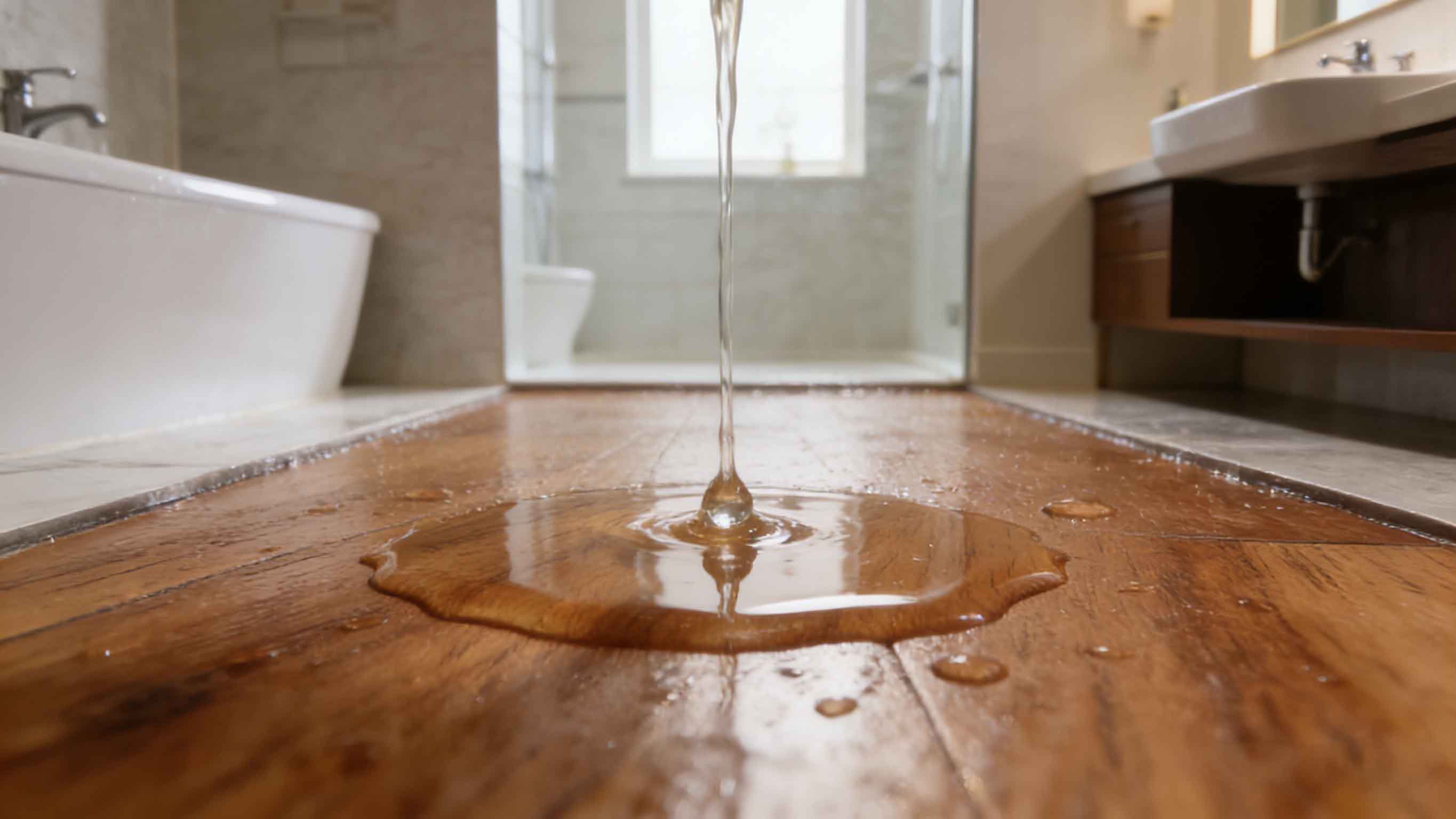
Bamboo is a flagship Sustainable Flooring Material renowned for its rapid renewability—mature in 3–5 years, compared to 20–50 years for hardwood. It’s dense, durable, and naturally resistant to moisture, making it ideal for both residential and commercial spaces.
Manufacturing & Equipment
Sustainable Flooring Materials manufacturing for bamboo involves precision processing. Key steps include harvesting mature bamboo culms, stripping, boiling to remove sugars (preventing pest infestation), and pressing into planks with eco-friendly adhesives. Advanced equipment such as hydraulic hot presses (e.g., Chinese-made Yihua hydraulic presses) and laser cutting machines ensure uniform thickness and minimal waste. Japanese manufacturers like Daiken use low-VOC adhesives to meet strict indoor air quality standards, while Chinese brands like Power Dekor integrate carbon-neutral production lines—offsetting emissions via reforestation.
Global Production & Distribution
Asia dominates bamboo flooring production: China accounts for 85% of global output (Source: China National Forest Products Industry Association), with major hubs in Zhejiang and Fujian provinces. India’s bamboo flooring sector is growing at 12% annually (Source: Indian Bamboo Development Agency), focusing on organic, chemical-free processing. Distribution channels include b2b floorcovering fair partnerships, regional distributors, and e-commerce platforms like Alibaba. European imports of Asian bamboo flooring reach 30% of total sustainable flooring imports (Source: Eurostat), with Germany and France as top buyers.
1.2 Recycled Vinyl Flooring (LVT/SPC)
Recycled vinyl—made from post-consumer plastic waste (e.g., water bottles) and industrial scrap—is a versatile Sustainable Flooring Material. It mimics wood/stone aesthetics while offering water resistance and durability.
Manufacturing & Equipment
Production starts with sorting and shredding recycled plastic, melting it into pellets, and extruding into planks/tile. Key equipment includes twin-screw extruders (e.g., German Reifenhäuser machines) and digital printing presses for realistic patterns. South Korean manufacturers (e.g., LG Hausys) achieve 70% recycled content, using AI-driven quality control to ensure consistency. Chinese factories reduce waste by 35% via automated cutting systems (Source: China Textile Industry Federation), aligning with EU REACH regulations.
Global Production & Distribution
South Korea and China lead Sustainable Flooring Materials manufacturing for recycled vinyl, with exports growing at 18% year-over-year (Source: Grand View Research). Distribution networks include partnerships with commercial contractors, retail chains (e.g., Home Depot in the U.S.), and participation in B2B carpet Event platforms like DOMOTEX asia. The UK imports 29% of its recycled vinyl from Vietnam and India (Source: UK Department for International Trade), favored for affordability and eco-credentials.
1.3 Cork Flooring
Cork is a renewable Sustainable Flooring Material harvested from the bark of cork oak trees (Quercus suber), which regrows after harvesting—no tree felling required. It’s lightweight, sound-absorbent, and naturally anti-microbial.
Manufacturing & Equipment
Harvesting involves stripping bark every 9–12 years. The bark is boiled, dried, and ground into granules, then pressed into sheets with natural resins. Portuguese equipment manufacturers (e.g., Amorim Cork Composites) supply hydraulic presses and granulation machines to Asian factories. Japanese brands like Komatsu Cork add a protective finish using water-based sealants, enhancing durability for healthcare and educational facilities.
Global Production & Distribution
Portugal is the top cork supplier (50% of global output), but Asian manufacturers (China, Japan) process and distribute finished products. Distribution channels include specialty flooring retailers, architectural firms, and b2b floorcovering fair matchmaking. Europe’s demand for cork flooring is driven by healthcare projects—Germany’s hospitals source 40% of their cork flooring from Asian processors (Source: German Healthcare Association).
1.4 Reclaimed Wood Flooring
Reclaimed wood—repurposed from old buildings, barns, or industrial structures—is a circular Sustainable Flooring Material, reducing deforestation and landfill waste. It offers unique character with natural patina and grain.
Manufacturing & Equipment
Processing involves deconstruction, cleaning, de-nailing, and milling. Key equipment includes metal detectors (to remove hardware), planers, and kilns for drying (preventing warping). Indian manufacturers (e.g., Greenply) use solar-powered kilns to lower carbon emissions, while U.S.-based Asian distributors (e.g., Lumber Liquidators) source reclaimed teak from Indonesia. Quality control focuses on structural integrity—Chinese factories use ultrasonic testing to ensure durability.
Global Production & Distribution
India and Indonesia lead in reclaimed hardwood production, with exports to Europe and North America (Source: International Wood Products Association). Distribution relies on B2B carpet Event partnerships, luxury interior design firms, and online marketplaces. Italy’s luxury hotels source 61% of their reclaimed wood flooring from Asia (Source: Italian Hospitality Association), valued for unique aesthetics.
2. Regional Market Dynamics: Asia & Europe
2.1 Asia: Manufacturing Hub & Growing Demand
China: The world’s largest producer of sustainable flooring, with 47% of manufacturers adopting eco-friendly processes (Source: CNFPIA). Bamboo and recycled vinyl dominate exports, with 30% going to Europe.
Japan: Pioneers in low-VOC and carbon-neutral flooring—89% of commercial projects use sustainable materials (Source: Japan Carpet Industry Association). Cork and reclaimed wood are favored for healthcare and luxury spaces.
India: Focuses on bamboo and reclaimed wood, with 63% of rug makers using recycled blends (Source: Indian Carpet Export Promotion Council). Organic bamboo flooring demand grows at 12% annually.
South Korea: Leads in recycled vinyl production—47% of brands achieve net-zero emissions (Source: Korea Flooring Industry Association). Exports to Europe increased by 28% in 2025.
2.2 Europe: Premium Adoption Market
Germany: Prioritizes recycled and durable materials—76% of buyers require sustainability certifications (Source: MMFA). Chinese bamboo and Indian reclaimed wood are top imports.
France: Embraces luxury sustainable flooring—53% of high-end residential projects use Asian silk-blend carpets. Cork flooring is popular for eco-friendly hotels.
Italy: Uses sustainable flooring for high-fashion spaces—61% of luxury hotels opt for Asian recycled vinyl.
UK: Demands budget-friendly options—29% of sustainable flooring imports come from Vietnam and India.
DOMOTEX asia/CHINAFLOOR: Your Gateway to Sustainable Flooring Success
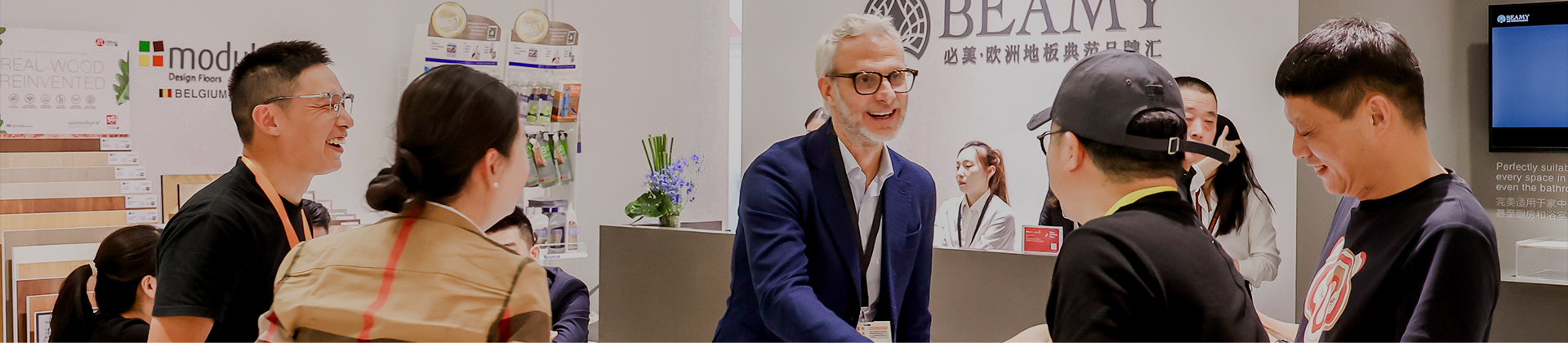
As the leading B2B floorcovering fair, DOMOTEX asia/CHINAFLOOR connects manufacturers, distributors, and buyers in the Sustainable Flooring Materials ecosystem. Scheduled for May 27-29, 2026, in Shanghai, our event offers:
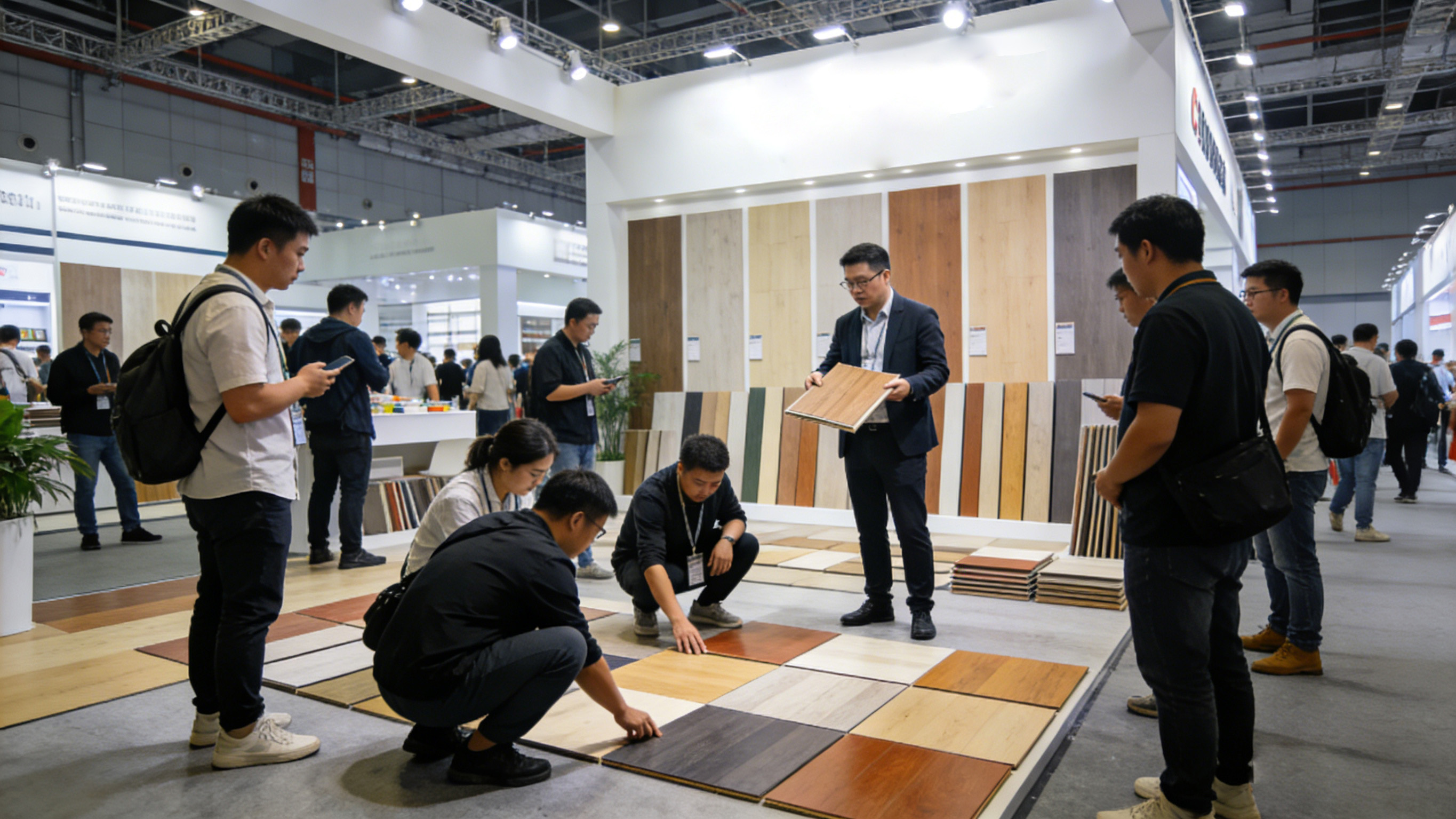
Dedicated Sustainable Zone: 210,000 sqm space showcasing bamboo, recycled vinyl, cork, and reclaimed wood from 1,500+ brands.
Global Networking: 83,850+ visitors, including 17,923 international buyers from Europe and Asia.
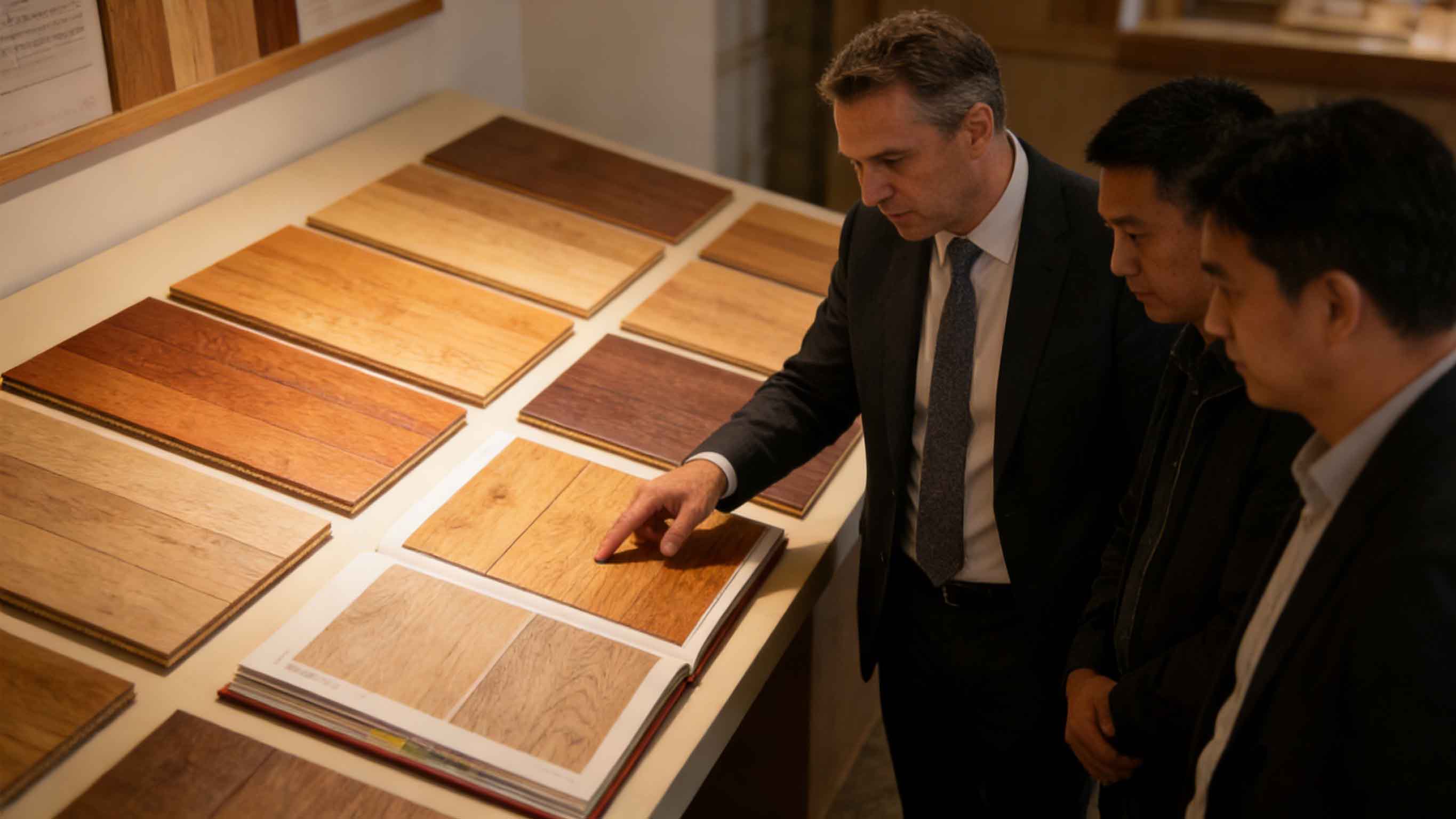
Business Matching: Exclusive Buyer Club facilitating 450+ one-on-one meetings (2025 data) for sustainable flooring partnerships.
Trend Insights: Concurrent events like the Flooring Innovation Summit, featuring experts on manufacturing and market trends.
FAQ: Key Questions About Sustainable Flooring Materials
1. What are the main types of Sustainable Flooring Materials?
Bamboo, recycled vinyl (LVT/SPC), cork, reclaimed wood, linoleum, and recycled rubber.
2. Which Asian country leads in Sustainable Flooring Materials manufacturing?
China, accounting for 85% of global bamboo flooring output and 47% of recycled vinyl production (Source: CNFPIA).
3. What equipment is used in sustainable flooring production?
Hydraulic presses, laser cutters, twin-screw extruders, solar kilns, and AI quality control systems.
4. How are sustainable flooring materials distributed globally?
Via b2b floorcovering fair partnerships, regional distributors, e-commerce platforms, and architectural/contractor networks.
5. Which European country imports the most Asian sustainable flooring?
Germany, absorbing 23% of Asia’s sustainable flooring exports (Source: Eurostat).
6. Are sustainable flooring materials more durable than traditional options?
Yes—bamboo and recycled vinyl have 20–30% longer lifespans (Source: Grand View Research), with cork offering natural wear resistance.
7. What certifications are required for sustainable flooring exports?
LEED, GreenGuard, EU REACH, and FSC (Forest Stewardship Council) certifications.
8. How does DOMOTEX asia/CHINAFLOOR support sustainable flooring businesses?
As a top B2B carpet Event, it offers a dedicated zone, global networking, and business matching for 83,850+ professionals.
9. What is the fastest-growing sustainable flooring material in Asia?
Recycled vinyl, with a CAGR of 9.5% (Source: Grand View Research).
10. How can I source sustainable flooring materials from Asia?
Participate in DOMOTEX asia/CHINAFLOOR 2026 to connect with manufacturers or pre-register via the official website.
Disclaimer
Any information provided here is for informational purposes only. It should not be considered as legal, accounting, or tax advice. Prior to making any decisions, it’s the responsibility of the reader to consult their accountant and lawyer. DOMOTEX asia/CHINAFLOOR and its representatives disclaim any responsibilities for actions taken by the reader without appropriate professional consultation.


 May 27-29, 2026
 National Exhibition and Convention Center (Shanghai)