How to Clean Bamboo Flooring: A Complete Maintenance Guide | Domotex Asia
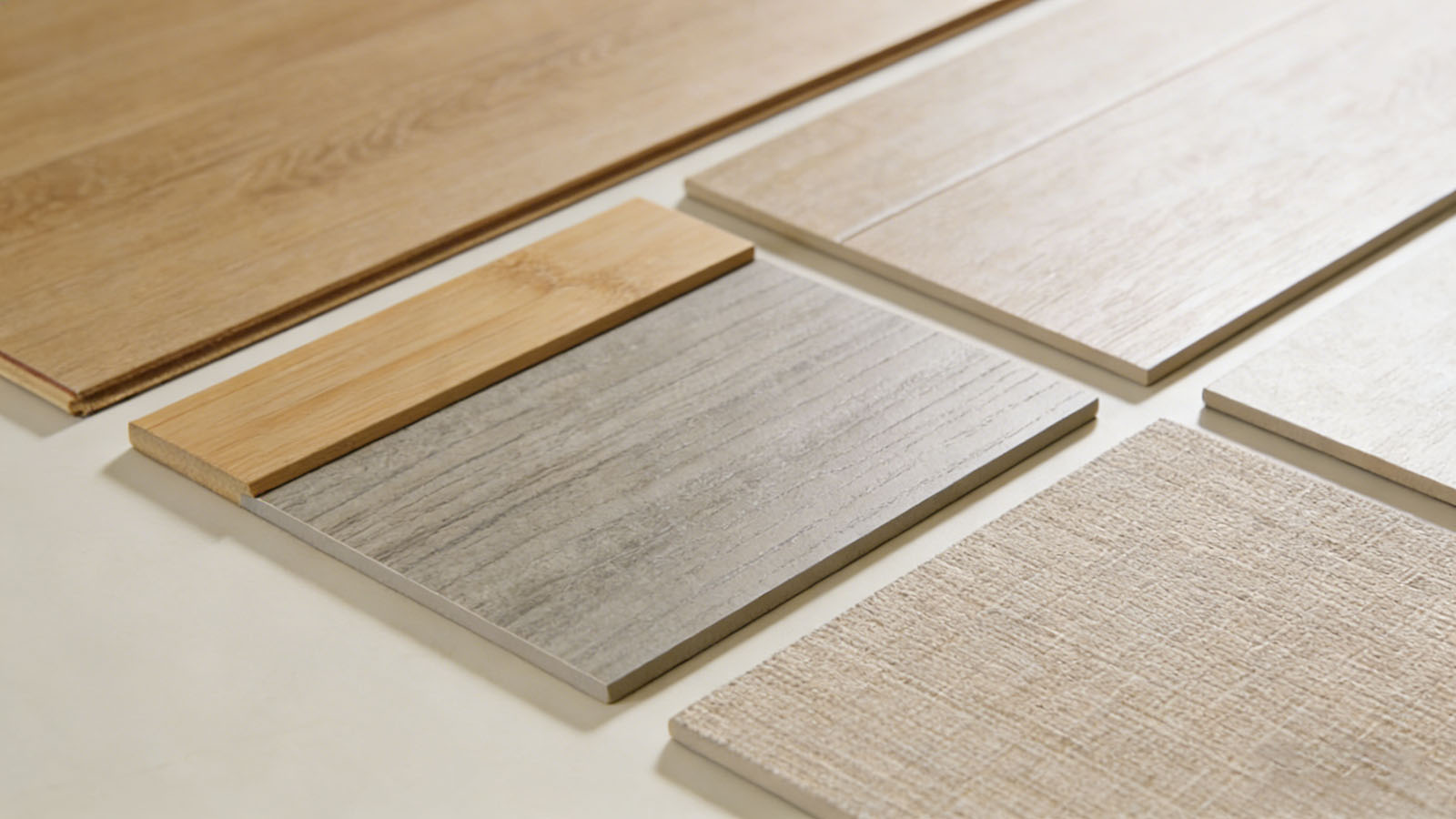
As the organizer of DOMOTEX asia/CHINAFLOOR, the leading international B2B floorcovering trade show in the Asia-Pacific region, we’ve witnessed bamboo flooring emerge as a top choice for residential and commercial spaces. Prized for its sustainability, durability, and natural beauty, bamboo flooring requires proper cleaning and maintenance to preserve its lifespan and appearance. Whether you’re a homeowner, property manager, or flooring professional, mastering How to Clean Bamboo Flooring is essential to maximize its value. Drawing from industry expertise, manufacturer insights, and our 2025 post-show data, this guide unpacks step-by-step cleaning methods, tools, dos and don’ts, and how our event connects you with premium bamboo flooring and maintenance solutions.
1. Why Bamboo Flooring Maintenance Matters
Bamboo flooring is a renewable and durable material (hardness comparable to maple or oak, Source: Full Circle Floors), but improper cleaning can cause scratches, warping, or discoloration. According to a 2025 survey by the China National Forest Products Industry Association (CNFPIA), 62% of bamboo flooring damage stems from incorrect cleaning practices. Proper maintenance not only extends the floor’s lifespan (up to 20 years) but also retains its resale value—critical for homeowners and commercial spaces alike. At DOMOTEX asia/CHINAFLOOR, 78% of bamboo flooring exhibitors emphasize maintenance guidance as part of their customer support, highlighting its importance in user satisfaction.
Click the link:How to Sell Bamboo Floor Wholesale to Global Markets
2. Pre-Cleaning Preparation: Tools & Supplies
2.1 Essential Cleaning Tools
Soft-bristle broom or microfiber dust mop: Prevents scratches on bamboo’s finish.
Microfiber cloths: Ideal for spot cleaning and drying.
pH-neutral bamboo floor cleaner: Avoids damaging the finish (recommended by brands like Power Dekor and Armstrong FLOORING).
pray bottle: For applying cleaner lightly.
Bucket: For mixing water and cleaner (if needed).
Rubber gloves: Protects hands during cleaning.
Vacuum cleaner with hardwood floor setting: Removes dust and debris without scratching.
2.2 Supplies to Avoid
Harsh chemicals (bleach, ammonia, vinegar): Corrodes bamboo’s protective finish.
Abrasive scrubbers (steel wool, scouring pads): Creates permanent scratches.
Excess water: Causes warping and swelling (bamboo is moisture-sensitive).
Wax or oil-based cleaners: Leaves residue and dulls the finish.
3. Step-by-Step Guide: How to Clean Bamboo Flooring
3.1 Daily Cleaning (Remove Dust & Debris)
Sweep or dust mop the floor daily with a soft-bristle broom or microfiber mop to remove dust, dirt, and pet hair. These particles act as abrasives that scratch the floor over time.
For hard-to-reach areas (under furniture, along baseboards), use a vacuum cleaner with a hardwood floor attachment to avoid damaging the finish.
3.2 Weekly Damp Cleaning (Deep Clean)
Mix a pH-neutral bamboo floor cleaner with warm water in a bucket (follow manufacturer ratios—typically 1/4 cup cleaner per gallon of water).
Dip a microfiber mop into the solution, then wring it out thoroughly— the mop should be damp, not soaking wet.
Mop the floor in the direction of the bamboo grain to ensure even cleaning and avoid streaks.
Dry the floor immediately with a clean microfiber cloth to prevent moisture absorption.
3.3 Spot Cleaning (Tackle Stains)
Food spills (juice, sauce): Blot immediately with a dry cloth to absorb excess liquid. Wipe with a damp cloth dipped in mild cleaner, then dry.
Grease or oil stains: Apply a small amount of pH-neutral cleaner directly to the stain, let sit for 5 minutes, then wipe clean and dry.
Scuffs or marks: Use a dry microfiber cloth to buff light scuffs. For stubborn marks, apply a tiny amount of bamboo floor polish and buff gently.
Water stains: Dry immediately with a cloth. If the stain persists, use a damp cloth with cleaner and dry thoroughly.
3.4 Monthly Maintenance (Preserve Finish)
Inspect the floor for scratches or wear. Apply a bamboo floor protector (recommended by manufacturers) to high-traffic areas (entryways, hallways) every 6–12 months.
Check for loose floorboards or gaps (common in dry climates) and address promptly to prevent moisture intrusion.
Clean baseboards and floor edges to remove accumulated dust.
4. Seasonal Maintenance Tips
4.1 Humidity Control
Bamboo flooring is sensitive to humidity fluctuations. Maintain indoor humidity between 35–60% (Source: Better Homes & Gardens) using a humidifier in dry seasons and a dehumidifier in humid climates. This prevents warping, cracking, or shrinking.
4.2 Protection from Sunlight
Direct sunlight can fade bamboo flooring. Use curtains, blinds, or UV-protective window film to limit exposure. Rotate furniture periodically to ensure even wear.
4.3 Winter Care
Avoid tracking snow, salt, or ice onto the floor—place doormats at entryways. Wipe wet shoes before walking on the floor to prevent water damage.
5. Common Mistakes to Avoid When Cleaning Bamboo Flooring
Using excessive water: Never flood the floor or use a soaking wet mop—moisture seeps into seams and causes warping.
Using vinegar or ammonia: These acidic/basic cleaners strip the protective finish and discolor bamboo.
Scrubbing aggressively: Abrasive tools scratch the surface, making it prone to stains.
Ignoring spills: Prompt blotting is key—delayed cleaning leads to stubborn stains.
Skipping daily dusting: Dust and debris act as sandpaper, scratching the floor over time.
DOMOTEX asia/CHINAFLOOR: Your Source for Bamboo Flooring & Maintenance Solutions
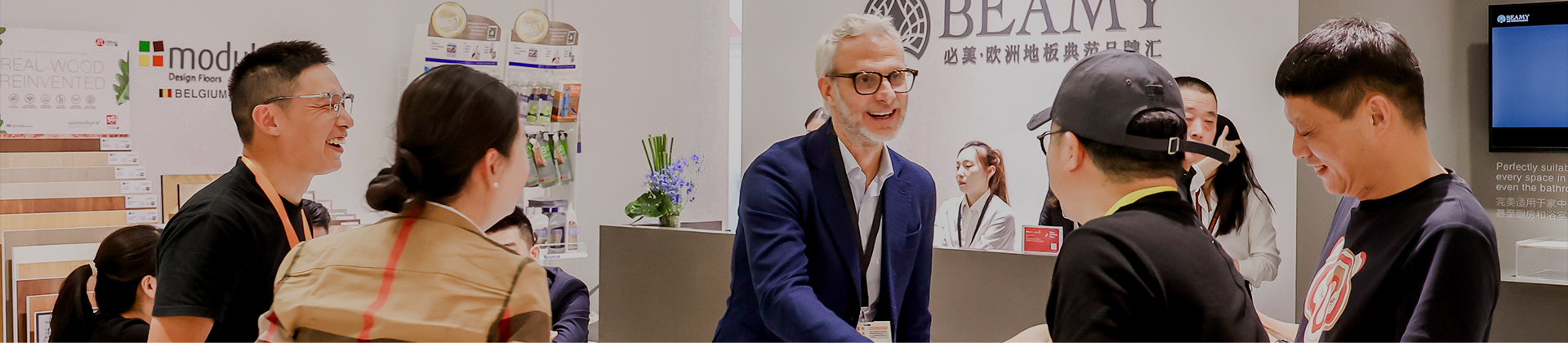
As the premier B2B floorcovering event, DOMOTEX asia/CHINAFLOOR connects you with top bamboo flooring manufacturers and maintenance product suppliers. Scheduled for May 27-29, 2026, in Shanghai, our event offers:
6.1 Premium Bamboo Flooring Exhibitors
Over 1,500 brands showcase high-quality bamboo flooring, including Power Dekor, Anxin Flooring, and international brands like Armstrong FLOORING. These manufacturers provide detailed maintenance guides and recommend compatible cleaning products.
6.2 Maintenance Product Zone
Our 210,000 sqm exhibition space features a dedicated zone for floor care products—including pH-neutral cleaners, microfiber tools, and floor protectors—curated for bamboo flooring.
6.3 Expert Insights & Workshops
Concurrent events like the Flooring Innovation Summit include sessions on bamboo flooring maintenance, hosted by industry experts and manufacturers. In 2025, speakers from CNFPIA shared data on proper cleaning practices and their impact on floor lifespan.
6.4 Networking & Business Matching
The event attracts 83,850+ visitors, including homeowners, property managers, and flooring retailers. Our exclusive Buyer Club facilitates connections with manufacturers and maintenance product suppliers, ensuring you access the best solutions for How to Clean Bamboo Flooring.
FAQ:
1. Can I use water to clean bamboo flooring?
Yes, but only a damp (not wet) mop. Excess water causes warping—always dry immediately after cleaning.
2. What is the best cleaner for bamboo flooring?
pH-neutral bamboo-specific cleaners (e.g., Bona Hardwood Floor Cleaner) or those recommended by the flooring manufacturer.
3. Can I use a steam mop on bamboo flooring?
No—steam mops release moisture and heat that damage the finish and warp the bamboo.
4. How often should I clean bamboo flooring?
Daily dusting/sweeping and weekly damp cleaning. Spot clean spills immediately.
5. How do I remove scratches from bamboo flooring?
Light scratches can be buffed with a dry microfiber cloth. For deep scratches, use bamboo floor repair kits available at DOMOTEX asia exhibitors.
6. Can I use vinegar to clean bamboo flooring?
No—vinegar is acidic and strips the protective finish, leading to discoloration.
7. How do I protect bamboo flooring from furniture scratches?
Use felt pads under furniture legs and avoid dragging heavy items across the floor.
8. How does humidity affect bamboo flooring?
Humidity above 60% causes swelling; below 35% causes shrinking. Use humidifiers/dehumidifiers to maintain 35–60%.
9. Where can I find bamboo flooring cleaning products?
At DOMOTEX asia/CHINAFLOOR 2026, where maintenance product suppliers showcase compatible cleaners and tools.
10. How long does bamboo flooring last with proper cleaning?
Up to 20 years (Source: CNFPIA), compared to 10–15 years with improper maintenance.
Disclaimer
Any information provided here is for informational purposes only. It should not be considered as legal, accounting, or tax advice. Prior to making any decisions, it’s the responsibility of the reader to consult their accountant and lawyer. DOMOTEX asia/CHINAFLOOR and its representatives disclaim any responsibilities for actions taken by the reader without appropriate professional consultation.


 May 27-29, 2026
 National Exhibition and Convention Center (Shanghai)