How to Choose Flooring for a Humid Climate | Domotex Asia
As the organizer of DOMOTEX asia/CHINAFLOOR, the leading international B2B floorcovering trade show in the Asia-Pacific region, we’ve witnessed countless buyers and homeowners struggle with how to choose flooring for a humid climate. Humidity—common in Southeast Asia, southern China, and coastal regions—can cause warping, mold growth, and deterioration in unsuitable flooring materials. Drawing from 27 years of industry expertise, 2025 post-show data, and manufacturer insights, this guide unpacks key considerations, top-performing materials, and how our event connects you with humidity-resistant flooring solutions to ensure durability and longevity.
1. Why Humidity Resilience Matters in Flooring Selection
Humid climates (relative humidity above 60%) pose unique challenges to flooring:
Moisture seeps into porous materials, causing swelling, warping, or buckling.
Mold and mildew thrive in damp environments, damaging flooring and impacting indoor air quality.
Salt air (in coastal areas) accelerates corrosion in certain materials.
According to a 2025 survey by the ASEAN Flooring Market Report, 58% of flooring failures in humid regions stem from improper material selection. Choosing the right flooring material not only prevents damage but also reduces maintenance costs—extending the floor’s lifespan by 50% (Source: China National Forest Products Industry Association). At DOMOTEX asia/CHINAFLOOR, 73% of exhibitors in the humid-climate zone showcase specialized flooring with moisture-resistant technologies, highlighting the industry’s focus on this critical need.
Click:Sustainable Flooring Materials Guide
2. Key Factors to Consider: How to Choose Flooring for a Humid Climate
2.1 Moisture Resistance
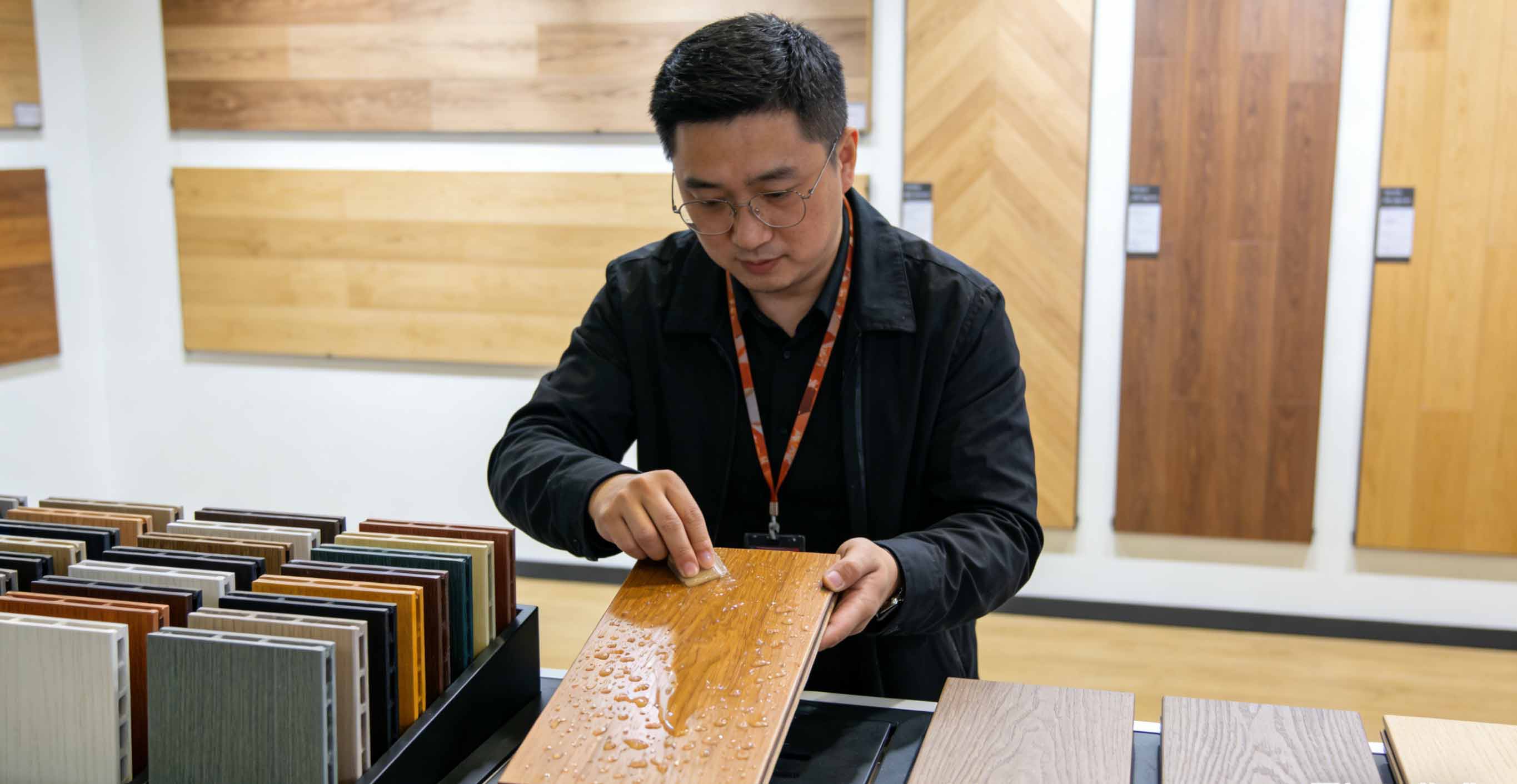
Prioritize flooring materials with low water absorption rates (below 0.5% for hardwood alternatives, Source: ASTM International). Look for products with waterproof cores, sealed edges, or moisture barriers to prevent water penetration.
2.2 Mold & Mildew Resistance
Opt for materials inherently resistant to mold (e.g., vinyl, ceramic tiles) or treated with anti-microbial coatings. Avoid organic materials like unmodified hardwood, which are prone to fungal growth.
2.3 Durability & Stability
Humidity fluctuations cause materials to expand and contract. Choose dimensionally stable flooring (e.g., luxury vinyl tile, bamboo) that maintains shape under changing moisture levels.
2.4 Installation Requirements
Proper installation is critical—ensure flooring is acclimated to the space’s humidity, and use moisture-resistant adhesives. For floating floors, leave expansion gaps to accommodate movement.
2.5 Aesthetic & Functional Needs
Balance practicality with style: humid climates don’t require sacrificing design. Many moisture-resistant materials mimic wood, stone, or tile aesthetics, fitting residential, commercial, and hospitality spaces.
3. Top Flooring Materials for Humid Climates
3.1 Luxury Vinyl Tile (LVT/SPC)
LVT/SPC is the gold standard for humid climates. This flooring material features a waterproof core (PVC or stone plastic composite) and sealed edges, preventing moisture absorption. It’s durable, scratch-resistant, and mimics wood/stone with realistic textures. According to DOMOTEX asia 2025 post-show data, LVT/SPC accounts for 35% of flooring sales in Southeast Asia’s humid regions. Brands like Gerflor and Power Dekor showcase LVT with anti-microbial treatments at our event, ideal for bathrooms, kitchens, and basements.
3.2 Ceramic & Porcelain Tiles
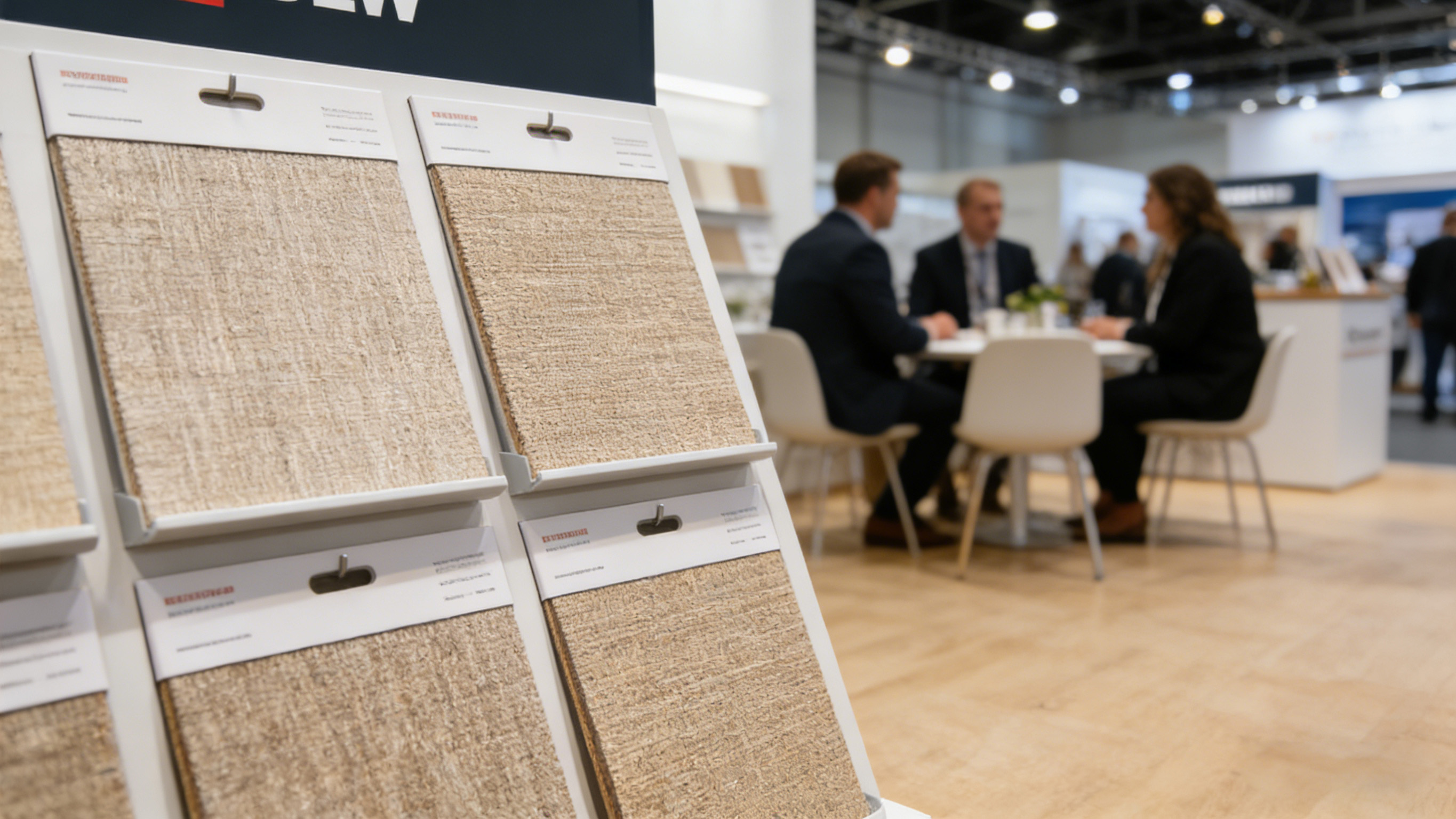
Ceramic and porcelain tiles are 100% waterproof, mold-resistant, and easy to clean—perfect for high-humidity areas. Porcelain (denser than ceramic) has a water absorption rate below 0.5%, making it suitable for coastal humid climates. Tiles are available in endless designs, from large-format slabs to textured finishes for slip resistance. At our b2b floorcovering fair, manufacturers like Armstrong FLOORING display tiles with anti-slip surfaces, tailored for commercial spaces like hotels and malls in humid regions.
Click:How to Choose B2B Flooring Event
3.3 Bamboo Flooring (Engineered)
Engineered bamboo flooring—constructed with bamboo veneers bonded to a plywood core—offers better moisture resistance than solid bamboo. It’s renewable, durable, and dimensionally stable, with a water absorption rate of 0.3–0.5%. Look for bamboo treated with moisture-resistant sealants (common in products from Anxin Flooring and Swiss Krono). DOMOTEX asia exhibitors highlight engineered bamboo as a sustainable alternative to hardwood in humid residential spaces.
Click:How to Sell Bamboo Floor Wholesale to Global Markets
3.4 Cork Flooring
Cork is naturally moisture-resistant and anti-microbial, thanks to its cellular structure that repels water. It’s comfortable underfoot and provides sound absorption, making it ideal for bedrooms and living rooms in humid climates. Cork requires periodic sealing to maintain water resistance—exhibitors at our event offer pre-sealed cork flooring with 10-year warranties.
3.5 Mold-Resistant Carpet Tiles
For carpet lovers, choose modular carpet tiles made from synthetic fibers (nylon, polyester) with moisture-resistant backings. These tiles resist mold growth and can be easily replaced if damaged by water. Brands like HUALIFLOR showcase carpet tiles with anti-microbial treatments at DOMOTEX asia, suitable for low-traffic humid spaces like offices and bedrooms.
4. Flooring Materials to Avoid in Humid Climates
Solid Hardwood: Absorbs moisture, warps, and develops mold—never use in unconditioned humid spaces.
Unsealed Concrete: Seeps moisture and promotes mold growth without proper sealing.
Natural Fiber Carpets (Wool, Jute): Absorb moisture and are prone to mildew.
Laminate Flooring (Low-Grade): Budget laminate with weak moisture barriers swells quickly in humidity.
5. Installation & Maintenance Tips for Humid-Climate Flooring
5.1 Installation Best Practices
Acclimate flooring to the space’s humidity (2–3 days for most materials) before installation.
Use moisture-resistant adhesives and underlayment (e.g., rubber, polyethylene) to block subfloor moisture.
For floating floors, leave 1–2cm expansion gaps along walls to accommodate expansion.
Seal all edges and seams with waterproof caulk to prevent water penetration.
5.2 Maintenance Guidelines
Control indoor humidity with dehumidifiers or air conditioners (maintain 40–60% humidity).
Clean up spills immediately to prevent water from seeping into seams.
Use pH-neutral cleaners—avoid harsh chemicals that damage protective seals.
Inspect flooring regularly for mold or warping, especially in high-moisture areas (bathrooms, entryways).
Reseal porous materials (cork, bamboo) every 2–3 years to maintain water resistance.
DOMOTEX asia/CHINAFLOOR: Your Source for Humidity-Resistant Flooring
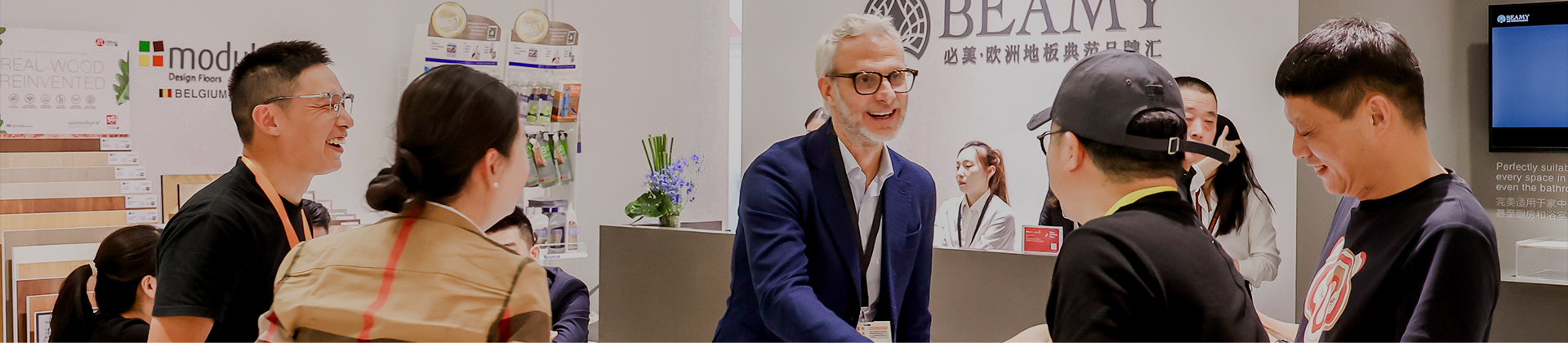
As the premier B2B floorcovering event, DOMOTEX asia/CHINAFLOOR connects you with top flooring material manufacturers specializing in humid-climate solutions. Scheduled for May 27-29, 2026, in Shanghai, our event offers unrivaled resources:
6.1 Dedicated Humid-Climate Flooring Zone
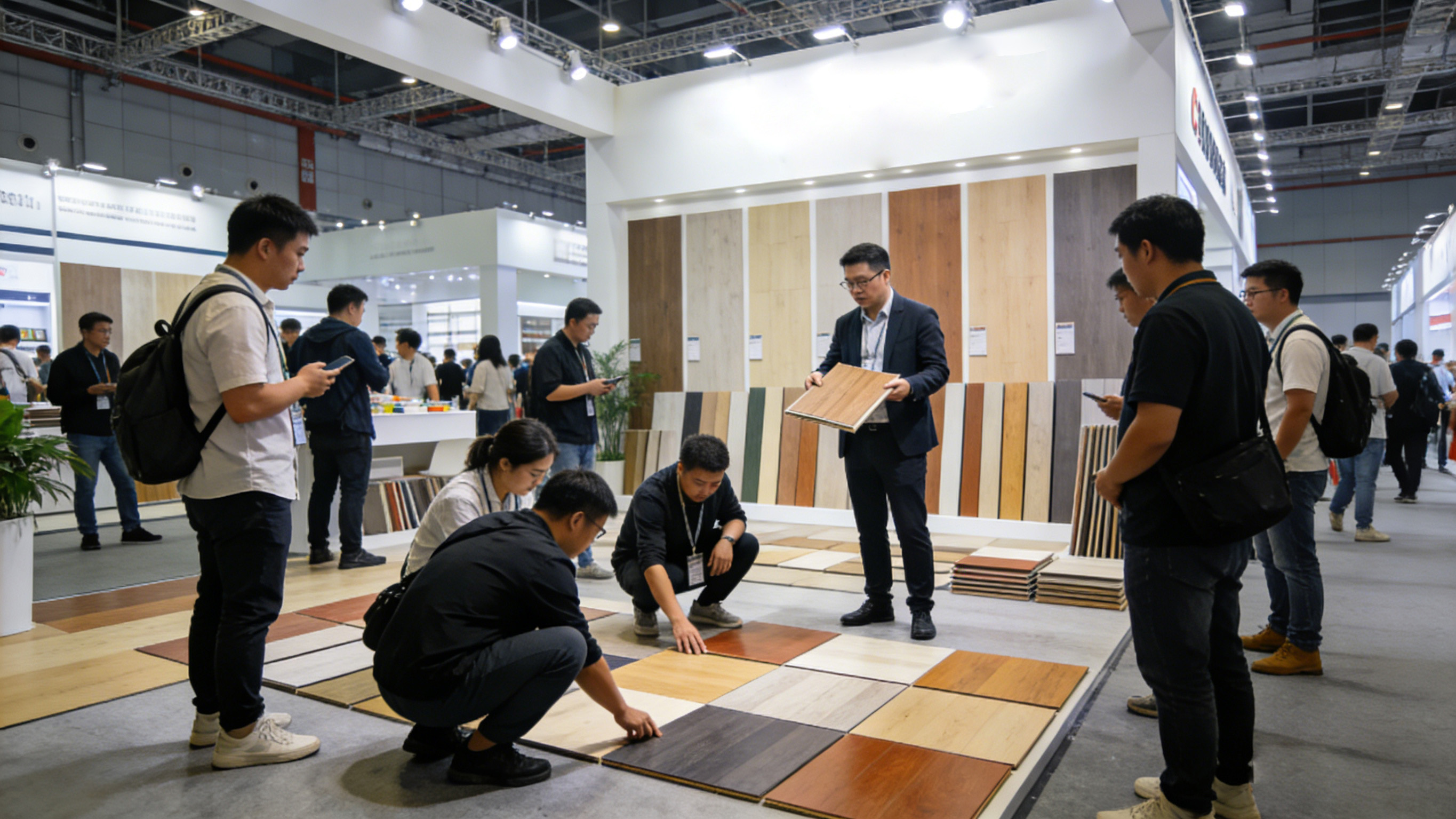
Our 210,000 sqm exhibition space features a specialized zone showcasing LVT/SPC, ceramic tiles, engineered bamboo, and cork flooring from 1,500+ brands. Manufacturers highlight moisture-resistant technologies and certifications (e.g., ASTM D3202 for water resistance).
6.2 Global Buyer & Expert Networking
The event attracts 83,850+ visitors, including homeowners, contractors, and designers from humid regions like Southeast Asia and southern China. Our exclusive Buyer Club facilitates one-on-one meetings with manufacturers, ensuring you find the right flooring material for your needs.
6.3 Trend Insights & Workshops
Concurrent events like the Flooring Innovation Summit include sessions on humid-climate flooring, hosted by industry experts and manufacturers. In 2025, speakers from CNFPIA shared data on material performance in high-humidity environments, helping attendees make informed decisions.
6.4 Exhibitor Success Stories
· A Vietnamese hotel chain sourced LVT flooring from a DOMOTEX asia exhibitor, reporting zero warping or mold after 3 years in coastal humidity.
· A Chinese homeowner installed engineered bamboo flooring recommended at the show, maintaining its appearance despite annual monsoons.
· A Malaysian office building used anti-microbial carpet tiles from our event, eliminating mold issues in its humid lobby.
FAQ
1. What is the best flooring material for a humid climate?
Luxury Vinyl Tile (LVT/SPC) or porcelain tiles—both 100% waterproof and mold-resistant (Source: ASEAN Flooring Market Report).
2. Can hardwood flooring be used in humid climates?
Only engineered hardwood with moisture-resistant cores and sealed edges—avoid solid hardwood.
3. How to prevent mold on flooring in humid climates?
Choose mold-resistant materials, control indoor humidity, and clean spills immediately.
4. Is bamboo flooring suitable for humid climates?
Engineered bamboo (not solid bamboo) is suitable, as it’s dimensionally stable and moisture-resistant.
5. How does DOMOTEX asia help choose flooring for humid climates?
It features a dedicated zone, expert workshops, and connections to 1,500+ manufacturers of humidity-resistant flooring.
6. Can carpet be used in humid climates?
Yes—choose synthetic fiber carpet tiles with moisture-resistant backings and anti-microbial treatments.
7. How often should humid-climate flooring be maintained?
Sweep/clean weekly, control humidity year-round, and reseal porous materials every 2–3 years.
8. What certifications indicate a flooring material is humidity-resistant?
ASTM D3202 (water absorption), GREENGUARD (mold resistance), and ISO 10545 (tile performance).
9. Is cork flooring good for humid bathrooms?
Yes—pre-sealed cork with waterproof underlayment works well, but avoid direct water exposure (e.g., shower floors).
Disclaimer
Any information provided here is for informational purposes only. It should not be considered as legal, accounting, or tax advice. Prior to making any decisions, it’s the responsibility of the reader to consult their accountant and lawyer. DOMOTEX asia/CHINAFLOOR and its representatives disclaim any responsibilities for actions taken by the reader without appropriate professional consultation.


 May 27-29, 2026
 National Exhibition and Convention Center (Shanghai)