Guide to Essential Product Certifications for Flooring Material Suppliers
With the acceleration of the integration of the global building materials trade, and the dual background of the popularization of hardbound houses in China and the increasingly strict supervision of engineering collective procurement, product certification has become the core threshold for flooring material suppliers to gain a foothold in the market, a core endorsement of quality, and even a "must-have pass" to open up domestic and foreign markets. Whether it is domestic engineering bidding, home decoration retail layout, or exporting to mainstream overseas markets such as the EU, the US, Japan, the Middle East, and Russia, the lack of corresponding compliance certifications will directly lead to a series of risks such as products being unable to be listed, customs seizure and return of goods, customer order rejection and claims, administrative penalties, and even affect the long-term development of enterprises.
Flooring materials cover a wide range of categories, including wood flooring, SPC stone plastic flooring, PVC elastic flooring, ceramic tiles, carpets, floor mats, and flooring accessories (skirting lines, underlayment, sealants, etc.). The certification systems for different categories, different application scenarios (home decoration, commercial engineering, public buildings), and different target countries/regions vary greatly with uneven standard requirements, leaving many flooring material suppliers in a dilemma of "not knowing which certification to apply for, how to apply for it, and whether the obtained certification is applicable".
To help flooring material suppliers quickly sort out the compliance path, avoid certification misunderstandings, and reduce compliance costs, this article systematically combs domestic mandatory and recommended certifications, as well as mandatory access certifications, high-end environmental certifications, and performance certifications in mainstream overseas countries/regions, covering all dimensions of environmental protection, fire resistance, safety, hygiene, and physical performance. It clarifies the certification requirements for different flooring material categories and different target markets, combined with practical key points and high-frequency FAQs, forming a directly implementable and comprehensive certification guide. It helps flooring material enterprises produce in compliance, clear customs smoothly, expand the global market, and seize the opportunity in the fierce industry competition.
I. Flooring Material Certifications in Mainstream Overseas Countries/Regions
Exporting flooring materials overseas mainly requires matching the mandatory access certifications of the target market, and then improving competitiveness with high-end certifications. The following details the positioning, requirements, and scope of application of core certifications in each region by market division, in line with the actual export needs of flooring material suppliers, focusing on high-frequency export markets.
(I) Global Universal High-End Environmental Certification: FloorScore
FloorScore is the world's most authoritative indoor air quality (IAQ) low VOC emission certification for flooring products, jointly developed by SCS Global Services (the exclusive certification body) and RFCI (Resilient Floor Covering Institute). It focuses on the control of harmful substance emissions from flooring materials and supporting products, serving as a rigid environmental threshold for high-end buildings and green projects worldwide in North America, Europe, Asia, etc. It is also a core endorsement for flooring material enterprises to build high-end brands and expand high-end overseas channels.
1. Core Positioning and Background
Full name: FloorScore®, no abbreviation, the certification mark is unique and unauthorized use is prohibited;Developer and administrator: SCS Global Services (responsible for testing and audit, certificate issuance, and supervision and management, a world-renowned third-party certification body) + RFCI (Resilient Floor Covering Institute, responsible for standard optimization and industry promotion);Core standards: Based on California CA 01350 / CDPH v1.2 in the US, with simultaneous reference to international standards such as ISO 16000 and ASTM D5116, controlling the emission of more than 35 harmful substances including VOC (Volatile Organic Compounds), formaldehyde, benzene series, and heavy metals;Core value: Proving that flooring products are low-toxic, low-emission, and free of obvious peculiar smell, suitable for long-term indoor use. It can directly meet the indoor air quality (IAQ) bonus requirements of mainstream global green building systems such as LEED (Leadership in Energy and Environmental Design), WELL (WELL Building Standard), BREEAM (Building Research Establishment Environmental Assessment Method), and CHPS (Collaborative for High Performance Schools), and even become a must-have for some high-end projects. At the same time, it can avoid the risks of product recall and punishment due to excessive VOC in overseas markets.
2. Scope of Application (2026 Latest Version)
Applicable to all indoor hard flooring, soft flooring, and supporting accessories, covering all flooring material categories without omission:Flooring category: SPC/LVT/WPC stone plastic flooring, PVC elastic flooring, laminate flooring, solid wood flooring, multi-layer solid wood flooring, bamboo flooring, rubber flooring, linoleum flooring, ceramic tiles, cement-based flooring, carpets, etc.;Accessory category: Floor adhesives, underlayment, backings, sealants, skirting lines, stair treads, floor protective films, etc.;Note: Outdoor flooring and temporary paving flooring are not applicable, only for indoor flooring materials and supporting products for long-term use.
3. Certification Types (2 Types, Optional)
(1) Standard FloorScore Certification (Most Commonly Used, Suitable for Enterprises with Own Brands and Mass Production)Applicable scenarios: Export of enterprises' own brands, long-term bulk supply to overseas supermarkets, and high-end project bidding;Certification process: Submission of application → Document review → 28-day environmental chamber VOC testing → On-site audit of factory quality system → Certificate issuance → Annual supervision and audit;Validity period: The initial validity period is 1 year, and it can be extended to 18 months after passing the annual supervision and audit for 3 consecutive years, with continuous compliance maintenance required;Core responsibility: SCS certification body and flooring material manufacturers jointly bear compliance responsibilities. If the product sampling inspection is unqualified, the certificate will be revoked and announced to the public.
(2) Private Label Certification (Suitable for OEM/ODM and Multi-brand OEM Enterprises)Applicable scenarios: OEM for overseas customers, multi-brand operation, and flooring material suppliers without their own brands;Certification process: Simplified audit process, no on-site factory audit required, only product test reports, supply chain control documents, and OEM cooperation certificates need to be submitted;Validity period: Consistent with the standard FloorScore certification, initial 1 year, extendable to 18 months, with annual sampling inspection required;Core advantage: Time-saving and labor-saving, lower cost, can quickly meet the certification needs of OEM customers without affecting multi-brand supply.
4. Core Testing and Limit Requirements
Testing method: Adopting ASTM D5116 / ISO 16000 environmental chamber method, simulating the real indoor environment (temperature 23℃, humidity 50%), conducting 28-day continuous monitoring of products to ensure stable compliance of harmful substance emissions;Key limits (based on CA 01350, no adjustment in 2026):Formaldehyde: ≤ 0.03 ppm (far stricter than EU E1 grade and China ENF grade, one of the strictest formaldehyde limits in the world);Total VOC (TVOC): ≤ 0.5 mg/m³;Single substances such as benzene, toluene, xylene, and ethylbenzene: all have strict limits (e.g., benzene ≤ 0.005 ppm);Odor requirement: Evaluated by professional odor assessors, no obvious peculiar smell, odor grade ≤ 2;Label requirement: After obtaining the certificate, the FloorScore® mark can be used on products, packaging, and instructions. The mark must be clear, permanent, and non-fading. At the same time, product information must be entered into the SCS global database for inquiry and verification at any time.
5. Certification Cycle and Cost Reference (2026)
Cycle: With complete materials, the total time including testing (28 days) + audit + certificate issuance is about 6–8 weeks; if supplementary materials are needed or factory rectification is required, the cycle can be extended to 10 weeks;Cost: For a single series of flooring materials (e.g., a single specification of SPC flooring), the cost is about 2,000–3,500 US dollars (including testing fee, audit fee, and first-year annual fee); for multiple series and multiple models of products, the fee is charged by series accumulation, and certain discounts are available for bulk applications; the cost of private label certification is about 30% lower than that of standard certification.
6. Market Value
(1) Rigid demand for North American market access: Public buildings, commercial projects, and high-end home decoration in California, New York, Washington and other states in the US clearly require flooring materials to have FloorScore certification, and products without certification cannot enter mainstream building materials supermarkets such as Home Depot and Lowe's;(2) Bonus for European high-end market: In green building projects and high-end project bidding in EU countries, FloorScore certification can directly replace some regional environmental certifications, improve product competitiveness, and help seize the high-end market;(3) Improvement of brand premium capacity: FloorScore is the "gold standard" of global flooring material environmental certification, and certified products can achieve a brand premium of 15–25%, different from ordinary non-certified products;(4) Avoidance of compliance risks: Effectively avoid the risks of product recall, market punishment, and customer claims caused by excessive VOC and peculiar smell in North America, Europe and other regions.
(II) EU Market (27 Countries + European Economic Area)
The EU is one of the core markets for flooring material exports with a complete certification system, which is mainly divided into "mandatory access certification" and "high-end environmental certification". Among them, CE-CPR is a mandatory certification that must be obtained, French A+, German Blue Angel, Finnish M1, etc. are high-end environmental certifications to improve competitiveness, and REACH SVHC is a general compliance requirement for all products exported to the EU.
1. CE-CPR Certification
CE-CPR is a mandatory compliance threshold for building materials exported to the EU, with the full name Construction Products Regulation (EU) No. 305/2011. It has fully replaced the old CPD directive since July 2013, serving as a "statutory pass" for flooring materials to enter the 27 EU countries and the European Economic Area (EEA). It is not an ordinary safety certification, but a complete compliance system covering product performance, safety, environmental protection, and health.
Core positioning: Ensuring the safety, health, environmental protection and sustainability of building products within the EU through unified product standards, Declaration of Performance (DoP) and CE mark, realizing the free circulation of products within the EU; all flooring materials included in the scope of CPR control must be affixed with the CE mark and issue a Declaration of Performance, otherwise they cannot clear customs and be put on the market.
Scope of application (core flooring material categories):Wood flooring (solid wood, composite, laminate), SPC/LVT/PVC elastic flooring, ceramic tiles, carpets, floor mats, skirting lines, floor adhesives, sealants, leveling materials and all other flooring materials and supporting products used for building paving;Corresponding standards (high-frequency for flooring materials):EN 14342: Performance and safety standards for wood flooring (including solid wood, composite, laminate);EN 14041: Performance and environmental standards for elastic flooring (SPC/LVT/PVC, rubber, etc.);EN 14411: Performance and safety standards for ceramic tiles (porcelain tiles, ceramic tiles, etc.);EN 13986: Performance standards for flooring supporting accessories (floor adhesives, sealants, etc.).
Certification process (practical version):(1) Determine product classification and corresponding EN standards, and clarify product performance parameters (e.g., fire rating, wear resistance grade, environmental indicators);(2) Entrust a notified body (NB) of the EU or its recognized laboratory to complete product performance testing and environmental testing (VOC, formaldehyde, etc.);(3) Compile technical documents, including test reports, product specifications, production processes, quality control plans, and Declaration of Performance (DoP, to be compiled in English);(4) The EU notified body reviews the technical documents and conducts on-site factory audits if necessary;(5) After passing the audit, affix the CE mark (height ≥5mm, permanently non-removable) on the product and sign the Declaration of Performance (DoP);(6) Retain technical documents for 10 years and accept random inspections by regulatory authorities of EU countries to ensure consistency between products and declarations.
Cycle and cost: The cycle is about 3–6 weeks (with complete materials and no need for rectification); the cost is determined by product category and testing items, about 1,500–3,000 Euros for a single series of flooring materials, and the cost is higher for high-risk products (e.g., fire-resistant flooring).
2. French A+ Certification (Standard for EU High-End Market)
French A+ is the most stringent indoor VOC environmental classification certification compulsorily implemented in France, with the full name Émissions dans l'air intérieur, referred to as the French A+ label. It is a core environmental "pass" for flooring materials to enter the French and EU high-end markets. Although it is only a mandatory certification in France, it is highly recognized in all EU countries and an important bonus item for high-end projects and home decoration retail.
Core background: In accordance with the supporting decree (Décret n°2011-1728) of the French Grenelle de l'environnement in 2011, it has been fully and compulsorily implemented since 2013, covering all indoor building/decoration materials. It mainly controls the release of harmful substances such as formaldehyde and benzene series from flooring materials through strict 28-day closed chamber testing to ensure indoor air quality.
Core positioning: A mandatory environmental classification certification in the French market, with A+ as the highest grade (classification: A+>A>B>C, Grade C is prohibited from being sold in the French market). It is not only a mandatory requirement for French customs clearance and market listing, but also a "quality benchmark" in the EU high-end flooring material market, especially suitable for commonly used indoor flooring materials such as wood flooring, SPC flooring, and floor mats.
Scope of application (core flooring material categories):Wood flooring, SPC/LVT/PVC elastic flooring, ceramic tiles, carpets, floor mats, skirting lines, floor adhesives, sealants, leveling materials, sound insulation underlayment and all other indoor flooring materials and supporting accessories;Exemption scope: Outdoor materials, temporary building materials, and industrial flooring materials not for indoor use.
Core Testing and Limits:Testing method: Based on ISO 16000 series standards, adopting a 30m³ standard closed chamber, simulating the real indoor environment (temperature 23℃, humidity 50%, air exchange rate 0.5 times per hour) for 28 consecutive days of testing;Testing indicators: 11 key harmful substances such as formaldehyde, benzene, toluene, xylene, ethylbenzene, styrene, and tetrachloroethylene. At the same time, it requires both 24-hour short-term release and 28-day long-term release to meet the standards, eliminating "short-term compliance and long-term excess";Core limits for Grade A+ (key indicators):Formaldehyde: ≤10 μg/m³ (far stricter than China's national standard of 80 μg/m³ and EU E1 grade of 89 μg/m³);Total VOC (TVOC): ≤1000 μg/m³;Total benzene series: ≤200 μg/m³.
Certification process and cycle:(1) Prepare product materials (formula, production process, MSDS, product specifications);(2) Entrust a French recognized third-party laboratory (e.g., CREC, Bureau Veritas, SGS) to complete the 28-day closed chamber test;(3) The laboratory issues a test report and evaluates whether it meets the Grade A+ standard;(4) File with the French Environment and Energy Management Agency (ADEME) to obtain the authorization for the use of the A+ label;(5) Clearly affix the A+ label (including grade, testing standard, and laboratory number) on products, packaging, and instructions;(6) Annual supervision: The certificate is valid for 1–2 years, and sampling retesting is required every year to ensure continuous compliance;Cycle: About 3 months (the core is the 28-day testing cycle), the cost is about 2,000–4,000 Euros per series.
3. German Blue Angel Certification (First Choice for German Government Procurement)
The German Blue Angel (German: Der Blaue Engel) is the world's first and most credible Type I environmental label (ISO 14024), founded by the German federal government in 1978, jointly managed by the Federal Ministry for the Environment, Nature Conservation and Nuclear Safety (BMUV), the Federal Environment Agency (UBA) and RAL gGmbH. It is famous for "life cycle assessment + ultra-low emission", a voluntary environmental benchmark in the EU high-end market. Although not mandatory, it is a core access condition for German government procurement, building materials supermarkets (e.g., OBI, Hornbach) and high-end projects.
Core positioning: Different from certifications that only focus on harmful substance emissions, the Blue Angel emphasizes "full-chain environmental protection", conducting a life cycle assessment from raw material traceability, production process pollution control, to the environmental performance of products in use and recyclability after abandonment. It is the most recognized environmental mark by German consumers (with a recognition rate of over 90%).
Scope of application (core flooring material categories):Covering all flooring material categories, controlled by "product-specific standard number (DE-UZ)", the core categories and corresponding standards are as follows:Elastic flooring (SPC/LVT/PVC/rubber): DE-UZ 120 standard;Wood/wood-based flooring (solid wood/composite/OSB): DE-UZ 176 standard;Floor adhesives/installation materials: DE-UZ 102/113 standard;Ceramic tiles/slab stones: No exclusive UZ number, controlled according to the low emission requirements for general building materials.
Core requirements (focus on flooring materials):(1) Elastic flooring (SPC/LVT, etc.): Prohibition of harmful substances such as phthalates and carcinogenic aromatic hydrocarbons; 28-day chamber test TVOC ≤60 μg/m³ (stricter than French A+); recyclable design, packaging must use environmental protection materials without excessive packaging;(2) Wood flooring: Wood must come from FSC/PEFC sustainable forestry (traceable); formaldehyde release ≤0.05 ppm (stricter than EU E1 grade); low-emission coating without harmful heavy metals (lead, cadmium, etc.);(3) Floor adhesives: 28-day TVOC ≤60 μg/m³, prohibition of formaldehyde and harmful solvents, in line with EU REACH standards;(4) General requirements: No major pollution in the production process, the recyclability rate after abandonment ≥80%; product labels must mark the Blue Angel logo, DE-UZ standard number, and certification number.
Certification process and cycle:(1) Product positioning: Match the corresponding DE-UZ standard, confirm that the formula contains no prohibited substances, and raw materials are traceable;(2) Third-party testing: Entrust a RAL recognized laboratory to complete 28-day closed chamber emission test + composition analysis + recyclability assessment;(3) Document review: Submit test reports, raw material lists, production processes, EPD (Environmental Product Declaration), and ISO 14001 environmental management system certificate;(4) RAL certification: After passing the audit, sign a label use agreement and pay an annual fee (SMEs can enjoy a 30% reduction);(5) Label use: Mark the Blue Angel logo + DE-UZ standard number + RAL certification number on products/packaging;(6) Supervision and renewal: The certificate is valid for 4 years with unannounced random inspections every year; retest and renew 6 months before expiration;Cycle: About 3–4 months, the cost is about 3,000–6,000 Euros per series (including testing, audit, and annual fee).
4. Finnish M1 Certification (Core Threshold for Nordic Market)
Finnish M1 certification is one of the world's most stringent VOC emission classification certifications for building materials, managed by the Finnish Building Information Foundation RTS (Rakennustietosaatio, a non-profit and independent third-party organization). It features "28-day climate chamber test + sensory odor assessment" as the core, with M1 as the highest grade. It is the environmental "gold standard" for the high-end market in Northern Europe (Finland, Sweden, Norway, Denmark). Although it is a voluntary certification, high-end home decoration, projects, and building materials supermarkets in Northern Europe all take it as an access threshold.
Core positioning: Focusing on indoor air quality (IAQ), controlling the release of harmful substances from flooring materials from the source, and paying attention to "odor compliance" to solve the problem of peculiar smell of flooring materials. It is one of the core decision-making bases for Nordic consumers to buy flooring materials, especially suitable for home decoration, high-end hotels, hospitals and other scenarios that pay attention to living health.
Scope of application (core flooring material categories):Covering all indoor flooring materials and supporting accessories, consistent with the scope of application of French A+:Flooring category: Wood flooring, SPC/LVT/PVC elastic flooring, carpets, floor mats, skirting lines;Accessory category: Floor adhesives, sealants, leveling mortar, sound insulation mats, protective films.
Core Testing and Classification Standards:Testing method: Based on Finnish national standards, adopting the 1m³ climate chamber method, simulating the real indoor environment (temperature 23±1℃, humidity 45±5%, air exchange rate 1 time per hour) for 28 consecutive days of testing;Testing dimensions: Dual evaluation of chemical emission + sensory odor (core feature, different from other environmental certifications);Chemical indicators: TVOC, formaldehyde, ammonia, Group 1 carcinogens, etc., with extremely strict limits;Sensory indicators: Evaluated by a team of professional odor assessors, the odor rate <15%, requiring no obvious peculiar smell and meeting the human olfactory comfort standard;Classification system (M1 is the highest grade):
| Grade | TVOC (mg/m²·h) | Formaldehyde (mg/m³) | Ammonia (mg/m³) | Group 1 Carcinogens | Odor Requirement |
|---|
| M1 (Highest) | ≤0.2 | ≤0.05 | ≤0.03 | <0.005 | No obvious peculiar smell |
| M2 | ≤0.4 | ≤0.1 | ≤0.06 | <0.01 | Slight peculiar smell |
| M3 | ≤0.6 | ≤0.2 | ≤0.12 | <0.02 | Acceptable peculiar smell |
Key comparison: The M1 formaldehyde limit (0.05 mg/m³) is stricter than the EU E1 grade (0.1 mg/m³), French A+ (0.01 mg/m³, stricter after unit conversion), and China's national standard ENF grade (0.025 mg/m³), making it one of the strictest formaldehyde limit certifications in the world.
Certification process and cycle:(1) Application and document submission: Submit product information, formula, MSDS, and raw material traceability documents to the RTS authorized institution;(2) Sample delivery for testing: Entrust RTS authorized laboratories such as VTT to complete the 28-day climate chamber test + odor assessment;(3) Report review: RTS reviews the test data and odor assessment results to confirm the grade;(4) Certificate issuance: Obtain the M1 certificate and a unique identification number, valid for 1 year;(5) Annual supervision: Random sampling and retesting are required every year to ensure continuous compliance;(6) Label use: Mark the M1 logo + RTS number on products/packaging;Cycle: About 3 months (the core is the 28-day testing cycle), the cost is about 2,500–4,500 Euros per series.
5. REACH SVHC (General Compliance Requirement of the EU)
REACH SVHC is the control requirement for "Substances of Very High Concern" in the EU Regulation on the Registration, Evaluation, Authorization and Restriction of Chemicals (REACH). It is not an independent certification, but a general compliance requirement for all flooring materials and supporting products exported to the EU. Regardless of whether CE-CPR, French A+ and other certifications are obtained, compliance with REACH SVHC requirements is mandatory.
Core requirements: If the content of substances in the SVHC list of REACH in flooring materials and supporting products exceeds 0.1% (by weight) and the single batch export volume exceeds 1 ton, it must be notified to the European Chemicals Agency (ECHA) of the EU; at the same time, a SVHC conformity statement must be provided to customers to ensure that the product contains no excessive harmful substances.
Scope of application: All flooring materials and supporting accessories exported to the EU (wood flooring, SPC flooring, floor mats, floor adhesives, etc.), focusing on the control of SVHC substances in auxiliary materials such as coatings and adhesives.
Practical key points: Regularly check the SVHC list released by ECHA (updated 2–3 times a year, currently more than 230 items); entrust a third-party laboratory to test the SVHC content of products and issue a test report; compile a SVHC conformity statement to be accompanied with the goods and accept random inspections by EU regulators.
(III) UK Market (Independent Certification System After Brexit, Mandatory Access)
After Brexit, the UK no longer recognizes the EU CE certification and has launched a local mandatory certification system, with the core being the UKCA certification, which is a statutory access certificate for flooring materials to enter England, Scotland, and Wales (Great Britain, GB); Northern Ireland (NI) implements a special agreement, accepting CE or CE+UKNI certification, and UKCA certification is also applicable.
UKCA Certification (Mandatory Access, Core Requirement)
UKCA (UK Conformity Assessed) is a local compliance mark that compulsorily replaces CE after the UK's Brexit, supervised by the UK Department for Business, Energy and Industrial Strategy (BEIS) and implemented by UK Approved Bodies. It was launched on January 1, 2021, and has been fully mandatory since January 1, 2025, and CE certification is no longer accepted in Great Britain (GB).
Core positioning: The only statutory access mark for flooring materials to enter Great Britain (GB) in the UK. Its control scope and testing standards are highly similar to the EU CE-CPR, but it needs to comply with the requirements of UK local laws and regulations, and be audited and certified by UK approved bodies. CE reports from EU notified bodies cannot be directly used as a substitute.
Geographical scope (key distinction to avoid misjudgment):Great Britain (GB): England, Scotland, Wales → UKCA mark must be affixed, and goods cannot clear customs and be put on the market without UKCA;Northern Ireland (NI): Special agreement → CE or CE+UKNI mark is still accepted, UKCA mark is also applicable, and no repeated certification is required.
Scope of application (core flooring material categories):Consistent with the EU CE-CPR, covering all indoor and outdoor building paving materials, the core includes:Flooring category: Wood flooring, SPC/LVT/PVC elastic flooring, ceramic tiles, carpets, floor mats;Accessory category: Floor adhesives, sealants, leveling materials, skirting lines, sound insulation underlayment, flooring protective films;Others: Building panels (used for flooring substrates), fire-resistant flooring, etc.
Core requirements (focus on flooring materials):Flooring products implement the UK CPR (UK Construction Products Regulation), corresponding to the EU CPR, with a process highly similar to CE-CPR, but need to meet the following UK-specific requirements:
Certification mode (two options, classified by risk):(1) Mode 1: Self-declaration (Module B+D) → Low-risk/general flooring materials (e.g., ordinary solid wood flooring, SPC flooring, ceramic tiles); tested by the manufacturer itself (entrusting a UK recognized laboratory) or a third party, sign the UK DoC (UK Declaration of Conformity, compiled in English), affix the UKCA mark, and no third-party certification is required;(2) Mode 2: Third-party certification (Module B+C2/C3) → High-risk/key flooring materials (e.g., fire-resistant flooring, structural substrate panels); must be audited, certified, and subject to annual supervision by a UK Approved Body, and self-declaration is not allowed.
Mandatory list of technical documents (to be compiled in English and retained for at least 10 years):Product specifications, formula/ingredient list (required for accessories), Risk Assessment (RA), test reports (performance, environmental protection, fire resistance, VOC, etc., to be issued by a UK recognized laboratory), UK DoC (UK Declaration of Conformity), product labels/instructions (in English), production quality control documents.
UKCA mark specifications (no violation allowed):The minimum height is ≥5mm, clear, firm, and non-fading, which can be affixed to the product itself, packaging, and instructions; non-UK manufacturers must mark the name and address of the UK Authorized Representative (UKAR) on the product label (mandatory, otherwise non-compliant).
Certification process (practical version):(1) Confirm laws and standards: Match the UK CPR and corresponding British standards (most are BS EN series, consistent with EU EN standards, but need to be tested by a UK recognized laboratory), and determine the product risk grade and certification mode;(2) Testing and evaluation: Entrust a UK recognized laboratory (e.g., SGS UK, Intertek UK) to complete relevant tests such as performance, environmental protection (VOC, formaldehyde), and fire resistance to obtain test reports; submit high-risk products to the UK Approved Body for audit;(3) Technical documents and DoC: Compile a complete set of English technical documents and sign the UK DoC (UK Declaration of Conformity); non-UK manufacturers designate a UK Authorized Representative (UKAR) and complete the authorization documents;(4) Affix mark and launch: Affix the UKCA mark on products/packaging, mark UKAR information (for non-UK manufacturers), and file technical documents for future reference;(5) Supervision and maintenance: The validity period of the certificate/declaration is usually 5 years, and high-risk products require annual supervision and audit; if the product formula/process is changed, re-evaluation and testing are required, and technical documents and DoC are updated.
Cycle and cost:Self-declaration (low-risk flooring materials): The cycle is 1–2 months, with relatively low cost (testing fee + document compilation fee), about 1,000–2,000 pounds per series;Third-party certification (high-risk flooring materials): The cycle is 2–4 months, including institutional audit and annual fee, about 2,500–5,000 pounds per series.
Common misunderstandings: Directly applying for UKCA with EU CE test reports → invalid, must entrust a UK recognized laboratory for testing or certificate conversion; no UK Authorized Representative (for non-UK manufacturers) → unable to be listed in compliance; non-standard size and position of UKCA mark → judged as unqualified, facing cargo seizure and fines.
(IV) US and Canadian Markets (Mandatory, Dual Control of Environmental Protection and Safety)
The US and Canada are high-end markets for flooring material exports, with the certification system focusing on "mandatory access + high-end environmental protection". The US mainly controls formaldehyde, VOC emissions and fire safety, with core certifications including EPA TSCA Title VI, CARB Phase 2, and FloorScore; the core in Canada is CSA certification, which is partially mutually recognized with US standards, reducing the cost of repeated certification.
1. EPA TSCA Title VI (US Federal Mandatory, Core of Formaldehyde Control)
EPA TSCA Title VI is a US federal mandatory formaldehyde emission regulation that controls composite wood products and their finished products, implemented by the US Environmental Protection Agency (EPA), with the regulation number 40 CFR Part 770. The final rule was released on May 22, 2017, and has been fully mandatory since March 22, 2019. It is a mandatory compliance requirement for composite wood flooring (e.g., laminate flooring, multi-layer solid wood flooring) to enter the US market.
Core positioning: Replacing California CARB ATCM as the unified national mandatory formaldehyde standard in the US, with limits completely consistent with CARB Phase 2, covering 50 states in the US. It is a "statutory threshold" for composite wood flooring to be exported to the US. Non-composite wood flooring (e.g., SPC flooring, ceramic tiles) can be selectively certified according to materials, but it is recommended to match with FloorScore certification to improve competitiveness.
Scope of application (core flooring material categories):(1) Core controlled products (mandatory): Hardwood plywood (HWPW, including veneer/composite core), medium-density fiberboard (MDF), particleboard (PB);(2) Extended coverage products (mandatory): Components of the above panels (e.g., flooring substrates, skirting lines, floor frames), finished products containing such panels (e.g., laminate flooring, multi-layer solid wood flooring, composite flooring);(3) The entire supply chain: Producers, processors, importers, distributors, and retailers must all comply, and importers bear the main compliance responsibility.
Core limits (formaldehyde release, climate chamber method ASTM E1333):
| Product Type | Formaldehyde Emission Limit (ppm) |
|---|
| Hardwood Plywood (veneer/composite core) | ≤0.05 |
| Particleboard (PB) | ≤0.09 |
| Medium-Density Fiberboard (MDF) | ≤0.11 |
| Thin Medium-Density Fiberboard (Thin MDF) | ≤0.13 |
| Laminated Products (e.g., laminate flooring surface) | ≤0.05 |
Core compliance requirements (mandatory):(1) Third-party certification (mandatory): Must be certified by a Third-Party Certification body (TPC) recognized by the EPA. TPC bodies recognized by CARB need to complete EPA mutual recognition to issue TSCA Title VI certificates; formaldehyde-free (NAF) and ultra-low formaldehyde (ULEF) resin products can enjoy limited testing exemptions, but still need TPC audit and certification;(2) Testing and traceability: The testing method must adopt the climate chamber method of ASTM E1333 or ANSI/HPVA HP-1; each batch of products must be marked with a unique batch number, and a complete supply chain traceability system (raw materials → production → export → import) must be established;(3) Record keeping: Test reports, certification documents, procurement records, traceability documents, etc., must be retained for at least 3 years to accept EPA random inspections;(4) Labels and import documents: Panel labels must mark the producer's name, batch number, TPC certification number, and TSCA Title VI conformity statement; importers must submit certification information in the EPA CDX system (Chemical Data Exchange), and customs can conduct random inspections at any time; finished products (e.g., wood flooring) must be accompanied by a conformity document (DoC).
Certification process and cycle:(1) Formula confirmation: Prioritize the use of NAF/Ulef resin to reduce testing difficulty and cost, and ensure formaldehyde compliance from the source;(2) Selection of TPC body: Entrust a recognized body published on the EPA official website (e.g., Intertek, SGS, TÜV);(3) Sample delivery for testing: Complete the climate chamber test according to ASTM E1333 to obtain a qualified test report;(4) Certification audit: The TPC body audits the factory quality control system and test data, and issues the TSCA Title VI certificate;(5) Labels and documents: Affix compliance labels on products/packaging, and prepare DoC and traceability documents;(6) Import declaration: Submit certification information through the EPA CDX system to ensure smooth customs clearance;Cycle: About 2–3 months, the cost is about 2,000–4,000 US dollars per series.
2. CARB Phase 2 (California Mandatory, World's Strictest Formaldehyde Standard)
CARB Phase 2 is the world's strictest mandatory formaldehyde standard for composite wood products issued by the California Air Resources Board (CARB), with the full name California Air Resources Board (CARB) Airborne Toxic Control Measure (ATCM) Phase 2. It is a core environmental threshold for entering the California and even the entire US market, and later adopted by EPA TSCA Title VI as the unified national standard in the US. Products complying with CARB Phase 2 can directly meet the requirements of TSCA Title VI.
Core positioning: A California mandatory regulation (regulation number 17 CCR § 93120), a "statutory threshold" for composite wood flooring to enter the California market. California is the core consumption market for flooring materials in the US (accounting for more than 20% of the entire US market). Without CARB Phase 2 certification, products cannot enter California building materials supermarkets and engineering markets; at the same time, CARB Phase 2 has a high recognition rate and can be used as a high-end environmental endorsement to help expand the market in other states of the US.
Scope of application (consistent with TSCA Title VI):(1) Core panels (mandatory): Hardwood plywood (HWPW, veneer core/composite core), particleboard (PB), medium-density fiberboard (MDF), thin medium-density fiberboard (Thin MDF, ≤8mm);(2) Extended products (mandatory): Finished products containing the above panels (e.g., laminate flooring, multi-layer solid wood flooring, skirting lines, flooring substrates);(3) The entire chain: Producers, processors, importers, distributors, and retailers must all comply, and importers bear the compliance responsibility for the California market.
Core limits (formaldehyde release, completely consistent with TSCA Title VI):Hardwood plywood: ≤0.05 ppm; particleboard: ≤0.09 ppm; MDF: ≤0.11 ppm; thin MDF: ≤0.13 ppm; testing method: ASTM E1333 climate chamber method.
Core compliance requirements (differences from TSCA):(1) Third-party certification (mandatory): Must be audited and certified by a Third-Party Certification body (TPC) recognized by CARB, and the TPC body must be published on the CARB official website; NAF/Ulef resin products can simplify the testing process, but still need TPC audit and factory quality control audit;(2) Factory audit (mandatory): Different from TSCA Title VI, CARB Phase 2 certification must include on-site factory audit. The TPC body will conduct on-site verification of the production quality control, batch management, and raw material traceability system to ensure that the mass-produced products are consistent with the test samples;(3) Label requirements: Panel labels must mark the producer's name, batch number, TPC certification number, and CARB Phase 2 conformity statement. The label information must be clear, permanent, and cannot be altered;(4) Annual supervision: The certificate is valid for 1 year, with on-site supervision and audit + sampling retesting by the TPC body every year to ensure continuous compliance.
Certification process and cycle:(1) Formula optimization: Prioritize the use of NAF/Ulef formaldehyde-free/low-formaldehyde resin to meet the standard from the source and simplify the testing process;(2) Selection of TPC body: Entrust a recognized body published on the CARB official website (e.g., SGS, Intertek, TÜV);(3) Sample delivery for testing: Complete the large climate chamber test according to ASTM E1333 to obtain a qualified report;(4) Factory audit: The TPC body conducts on-site audit of production quality control, batch management, and document system, and puts forward rectification opinions (if any);(5) Certification and labeling: After completing the rectification, obtain the CARB Phase 2 certificate and affix compliance labels on the products;(6) Finished product statement: Issue a CARB Phase 2 conformity statement for downstream finished products (e.g., wood flooring) to ensure that the finished products can smoothly enter the California market;Cycle: About 2.5–4 months (including on-site factory audit), the cost is about 2,500–4,500 US dollars per series, higher than TSCA Title VI (due to the additional factory audit link).
Key reminder: If an enterprise exports to both California and other regions of the US, it is recommended to prioritize CARB Phase 2 certification, which can meet the requirements of TSCA Title VI at the same time without repeated certification, reducing compliance costs; for composite wood flooring only exported to non-California regions, TSCA Title VI certification can be applied for separately, saving time and costs.
3. US Fire Certification (Mandatory for Public Scenarios)
In addition to environmental certification, the US has strict fire requirements for flooring materials used in public scenarios, with core certifications being NFPA 130 and UL 1026. Although not mandatory for all flooring materials, flooring materials involved in public buildings such as airports, stations, schools, hospitals, and shopping malls must pass the corresponding fire certification, otherwise they cannot participate in engineering bidding and construction.
(1) NFPA 130 Certification (Mandatory for Rail Transit Scenarios)Full name: National Fire Protection Association (NFPA) 130, a fire protection standard for flooring materials in rail transit vehicles and platforms issued by the US National Fire Protection Association. It mainly controls the flame spread, smoke release, and toxic gas emission of flooring materials, and is a mandatory access requirement for flooring materials in rail transit scenarios such as subways, light rails, and commuter trains.Applicable flooring materials: Paving flooring materials for rail transit platforms, interior flooring of vehicles (e.g., PVC elastic flooring, rubber flooring, fire-resistant wood flooring);Core testing requirements: Flame spread index ≤25, peak smoke density ≤450, no obvious dripping, and toxic gas emission in line with the appendix requirements of NFPA 130;Certification process: Entrust US recognized laboratories such as UL and Intertek for testing → submit test reports → EPA audit and filing → obtain certification certificate, valid for 3 years, with sampling retesting required every year;Cycle and cost: About 2–3 months, the cost is about 3,000–5,000 US dollars per series.
(2) UL 1026 Certification (General for Public Buildings)Issued by Underwriters Laboratories (UL) in the US, it is a general fire certification for flooring materials in US public buildings. It mainly evaluates the flame spread, smoke generation, burning drips and other performance of flooring materials in indoor fire scenarios, applicable to most public buildings such as shopping malls, schools, hospitals, and hotels.Applicable flooring materials: All indoor public scenario flooring materials (wood flooring, SPC flooring, PVC elastic flooring, carpets, etc.);Core grades: Divided into Class I (highest grade) and Class II, public buildings prioritize Class I (flame spread index ≤25, smoke density ≤450);Certification process: Send samples to UL laboratory for testing → audit test data → issue UL 1026 certification certificate → annual supervision and random inspection;Cycle and cost: About 1.5–2.5 months, the cost is about 2,000–4,000 US dollars per series.
4. Canadian CSA Certification (Canadian Mandatory, Mutually Recognized with US Standards)
CSA (Canadian Standards Association) certification is a mandatory product safety and performance certification in Canada, managed by CSA Group, covering all flooring material categories. It mainly controls the environmental protection, fire resistance, and physical performance of flooring materials, and is partially mutually recognized with US UL and EPA standards, serving as a statutory access certificate for flooring materials to enter the Canadian market.
Core positioning: A mandatory certification uniformly recognized by the Canadian federal and provincial governments. Flooring materials without CSA certification cannot clear customs and be put on the market; at the same time, CSA certification is mutually recognized with US UL certification. Flooring materials that have passed CSA certification can apply for UL certification directly without repeated testing, reducing the overall compliance cost of the North American market.
Scope of application (core flooring material categories):Flooring category: Wood flooring, SPC/LVT/PVC elastic flooring, ceramic tiles, carpets, rubber flooring;Accessory category: Floor adhesives, sealants, skirting lines, leveling materials, sound insulation underlayment;Key scenarios: CSA certification is mandatory for public buildings, government procurement, and building materials supermarkets (e.g., Home Depot Canada stores).
Core requirements (focus on flooring materials):(1) Environmental requirements: Formaldehyde emission limit is consistent with US TSCA Title VI (hardwood plywood ≤0.05 ppm), and VOC emission complies with Canadian CAN/CGSB 19.0 standard;(2) Fire requirements: Flooring materials for public buildings must pass the CSA C22.2 No. 257 fire test, with flame spread and smoke release meeting the standards;(3) Physical performance: Wood flooring must meet wear resistance, moisture resistance, and anti-deformation tests, and elastic flooring must meet wear resistance, scratch resistance, and chemical corrosion resistance tests;(4) Label requirements: Affix the CSA mark on products/packaging, marking the certification number, product specifications, and conformity statement. The mark must be clear and permanent.
Certification process and cycle:(1) Document submission: Submit product information, formula, MSDS, and production process documents to CSA Group;(2) Sample delivery for testing: Entrust a CSA recognized laboratory to complete environmental protection, fire resistance, and physical performance tests to obtain a qualified report;(3) Factory audit (as needed): On-site factory audits are required for high-risk flooring materials (fire-resistant flooring, accessories for public buildings);(4) Audit and certification: CSA Group audits the test reports, documents (and factory conditions) and issues the certification certificate;(5) Supervision and renewal: The certificate is valid for 3 years, with sampling retesting required every year to ensure continuous compliance;Cycle: About 2–3 months, the cost is about 2,000–4,000 Canadian dollars per series; when mutually recognized with US certification, about 30% of the testing cost can be saved.
(V) Japanese Market (Combination of Mandatory and Voluntary, Dual Requirements of Environmental Protection and Adaptability)
Japan is a high-end export market for flooring materials, with the certification system mainly based on "mandatory access + voluntary high-end certification". The core mandatory certification is JIS (Japanese Industrial Standards), and the voluntary environmental certifications are F☆☆☆☆ (formaldehyde control) and TSC (low VOC). At the same time, flooring materials are required to be adapted to the moisture-proof and wear-resistant needs of Japanese residences, and compliance is required to enter Japanese building materials supermarkets and home decoration markets.
JIS Certification (Mandatory Access)
JIS (Japanese Industrial Standards) is a national mandatory standard in Japan, formulated by the Japanese Industrial Standards Committee (JISC), covering all flooring material categories. Different flooring materials have exclusive standard numbers, serving as a "statutory threshold" for flooring materials to enter the Japanese market. Without JIS certification, goods cannot clear customs and be put on the market.
Core positioning: Unifying the performance, safety, and dimensional standards of flooring materials to ensure that products meet the use needs of Japanese residences and buildings, and at the same time protect consumer safety. It is the most recognized basic certification in the Japanese market.
Core flooring material categories and corresponding JIS standards:Solid wood flooring: JIS A 5401, controlling moisture content, wear resistance, anti-deformation, and dimensional deviation;Laminate flooring: JIS A 5416, controlling wear resistance grade, formaldehyde release, and moisture resistance;SPC/LVT elastic flooring: JIS A 5705, controlling wear resistance, scratch resistance, chemical corrosion resistance, and slip resistance;Ceramic tiles: JIS A 5209, controlling water absorption, strength, wear resistance, and dimensional accuracy;Floor adhesives: JIS A 5536, controlling bonding strength, VOC emission, and environmental performance.
Core requirements:(1) Testing requirements: Must entrust a JISC recognized laboratory (e.g., JIS Qualified Testing Laboratory) to complete performance and safety tests according to the corresponding JIS standards;(2) Factory audit: Must pass the on-site factory audit by a JISC recognized institution to verify the production quality control system and ensure that mass-produced products are consistent with test samples;(3) Label requirements: Affix the JIS mark, standard number, certification number, production date, and producer information on products/packaging;(4) Supervision and management: The certificate is valid for 3 years, with sampling retesting required every year, and the factory must be re-audited every 2 years.
Certification process and cycle:(1) Standard matching: Determine the corresponding JIS standard for the product and clarify the test items and limits;(2) Sample delivery for testing: Entrust a JISC recognized laboratory to complete the test and obtain a qualified report;(3) Factory audit: Prepare production quality control documents and cooperate with the recognized institution to complete the on-site audit;(4) Audit and certification: JISC issues the JIS certification certificate after passing the audit;(5) Customs clearance and market launch: Affix compliance labels on products and prepare certification reports for smooth customs clearance;Cycle: About 3–4 months, the cost is about 2,000–4,000 US dollars per series.
2. F☆☆☆☆ Certification (Voluntary High-End Environmental Protection, Core of Formaldehyde Control)
F☆☆☆☆ (F4 Star) is a voluntary formaldehyde emission classification certification recognized by the Japanese Ministry of Land, Infrastructure, Transport and Tourism, managed by the Japan Association of Building Finishing Materials (JASMA). It is a core environmental threshold for flooring materials in Japanese home decoration and high-end residences. Although not mandatory, it is difficult to enter the high-end market without this certification, with a high recognition rate among consumers.
Core positioning: One of the world's most stringent formaldehyde control certifications with a clear classification, F☆☆☆☆ as the highest grade, focusing on "ultra-low formaldehyde emission". It is adapted to the relatively airtight residential environment in Japan, reducing indoor air pollution, and serving as a core endorsement for the high-endization of flooring materials.
Classification system (formaldehyde emission limit, desiccator method):F☆☆☆☆ (Highest grade): Formaldehyde emission ≤0.3 mg/L;F☆☆☆: Formaldehyde emission ≤1.0 mg/L;F☆☆: Formaldehyde emission ≤2.0 mg/L;F☆: Formaldehyde emission ≤5.0 mg/L.
Scope of application: Wood flooring (solid wood, composite, laminate), SPC flooring, floor adhesives, skirting lines and other flooring materials and accessories with formaldehyde emission risks;Core requirements:(1) Testing method: Adopting the Japanese JIS A 1460 desiccator method with a 7-day testing cycle to ensure stable formaldehyde emission;(2) Label requirements: After obtaining the certificate, the F☆☆☆☆ mark can be used on products and packaging, marking the certification number and validity period;(3) Supervision and management: The certificate is valid for 1 year, with sampling retesting required every year to ensure continuous compliance.
Certification process and cycle:(1) Application submission: Submit product information and testing application to the JASMA authorized institution;(2) Sample delivery for testing: Entrust an authorized laboratory to complete the desiccator method test and obtain a F☆☆☆☆ grade report;(3) Audit and certification: Audit the test report and issue the F☆☆☆☆ certification certificate;Cycle: About 1–2 months, the cost is about 1,500–3,000 US dollars per series.
3. TSC Certification (Voluntary Environmental Protection, Low VOC Control)
TSC (Tokyo Safety and Comfort) certification is a voluntary low VOC environmental certification promoted by the Tokyo Metropolitan Government, managed by the Tokyo Building Materials Safety Association. It mainly controls the VOC emission of flooring materials and accessories, adapted to the indoor air quality requirements in Japan, especially suitable for high-end home decoration and commercial projects in core cities such as Tokyo and Osaka.
Scope of application: All indoor flooring materials and accessories (elastic flooring, carpets, floor adhesives, sealants, etc.);Core requirements: VOC emission complies with the specified limits of the Tokyo Metropolitan Government, no obvious peculiar smell, and the testing method adopts the Japanese JIS A 1901 standard;Certification value: High-end home decoration and commercial projects in core cities such as Tokyo and Osaka prioritize TSC certified products, which can improve product competitiveness and be used as an environmental endorsement to gain consumer trust;Cycle and cost: About 1–1.5 months, the cost is about 1,000–2,000 US dollars per series.
(VI) Australian Market (Mandatory)
The Australian flooring material market mainly controls "mandatory access + environmental protection and safety", with the core mandatory certification being CodeMark certification. Environmental protection requirements need to comply with GreenTag certification (low VOC, sustainable). At the same time, flooring materials are required to have wear resistance, UV resistance (outdoor flooring), and moisture resistance, adapted to Australia's dry and high-UV climate characteristics.
1. CodeMark Certification (Mandatory Access, Core Requirement)
CodeMark certification is a mandatory access certification for Australian building products, managed by the Australian Building Codes Board (ABCB) and implemented in accordance with the Australian Building Code (BCA). It is a "statutory threshold" for flooring materials to enter the Australian market and be used for building paving. Without CodeMark
About DOMOTEX Asia/CHINAFLOOR
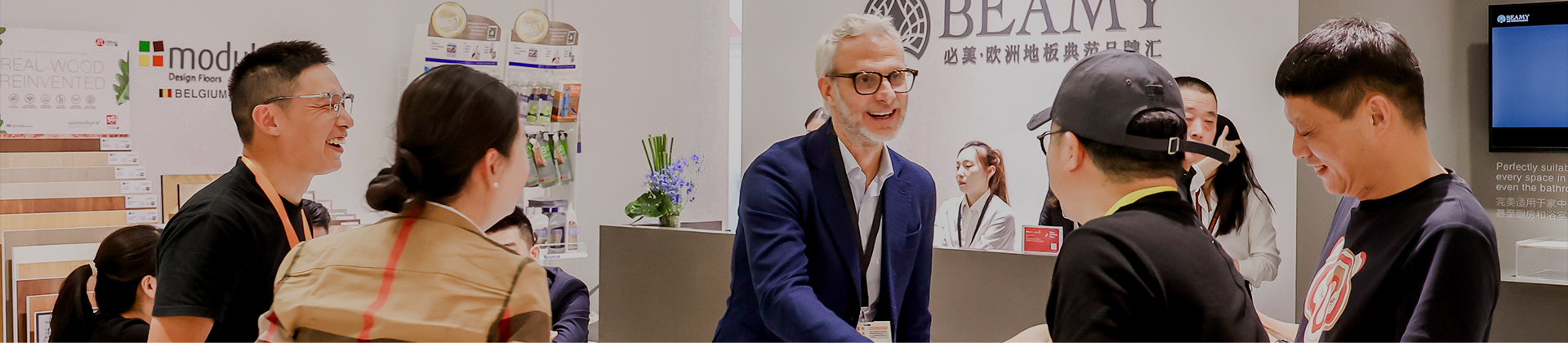
At a critical period of the transformation and upgrading of the global flooring industry, DOMOTEX Asia/CHINAFLOOR, the flagship professional flooring exhibition in the Asia-Pacific region, grandly opened at the National Exhibition and Convention Center (Shanghai). With an exhibition area of over 230,000 square meters, this exhibition gathered more than 1,600 exhibitors from all over the world and attracted over 85,000 professional visitors for communication and procurement. Among them, the special zone for flooring accessories, consumables and paving technology was upgraded again, with the core of "intelligence, environmental protection, high efficiency and adaptation". It concentrated on displaying the full range of upgraded products such as liners, molds, installation tools, cleaning equipment, adhesives and decorative articles, as well as the new intelligent, refined and integrated paving technologies, comprehensively interpreting the latest development trends of the flooring supporting industry. Intelligent paving technology and environmental accessories & consumables have become the core highlights of the exhibition, leading the global flooring supporting industry towards high-quality, green and intelligent development.
As a full industrial chain service platform for the flooring industry, DOMOTEX Asia/CHINAFLOOR has always kept pace with the industry development pulse and accurately grasped the changes in market demand.
Q1: When exporting flooring materials to overseas markets, is it necessary to obtain all certifications required by the target market?
A: It is not necessary to obtain all certifications. The priority is to complete the mandatory access certification, and then obtain high-end environmental certifications on demand based on market positioning. For example, when exporting to the EU, first obtain CE-CPR (mandatory) + REACH SVHC (general compliance); if targeting the high-end market, supplement with French A+ and German Blue Angel certifications. For exporting composite wooden flooring to the US, first obtain EPA TSCA Title VI (federal mandatory); if only exporting to California, supplement with CARB Phase 2 certification.
Q2: What are the significant differences in the key certification focuses between wooden flooring materials and resilient flooring materials?
A: ① Wooden flooring materials (solid wood, composite, laminate, etc.): Focus on formaldehyde control certifications, such as US CARB/TSCA, Japanese F☆☆☆☆, and China's Ten-Ring Certification. ② Resilient flooring materials (SPC/LVT/PVC, etc.): Focus on VOC environmental certifications (FloorScore, French A+) plus physical performance certifications (Japanese JIS, Russian GOST, etc.).
Q3: What are the two types of FloorScore Certification, and which types of flooring material enterprises are they suitable for respectively?
A: There are two types: Standard FloorScore Certification and Private Label Certification. ① The Standard Certification is suitable for enterprises with their own brands and engaged in long-term mass production, applicable to brand export and high-end project bidding. ② The Private Label Certification is suitable for non-brand suppliers engaged in OEM/ODM manufacturing and multi-brand operation, with a more simplified process and lower cost.
Q4: Can China's Ten-Ring Certification (China Environmental Labeling Product Certification) replace overseas environmental certifications?
A: No. The Ten-Ring Certification is only applicable to the Chinese market and is not recognized by overseas markets such as the EU, the US and Japan, so it cannot replace overseas certifications such as CE-CPR, FloorScore and F☆☆☆☆. However, high-end overseas environmental certifications (e.g., FloorScore, French A+) can be used as a brand endorsement for China's high-end market to enhance product competitiveness.
Q5: Under the OEM/ODM contract manufacturing model, who is generally responsible for the certification of flooring materials?
A: The responsibility shall be clarified in two cases: ① For contract-manufactured products under the customer's own brand: the customer shall take priority to apply for the certification, and the supplier only needs to cooperate in providing test samples and production documents. ② For contract-manufactured products under the supplier's own brand: the supplier shall apply for the certification, the certificate shall be owned by the supplier, and the customer may use it with a signed authorization agreement. It is recommended to clearly define the certification responsibility with the customer in writing in advance to avoid subsequent disputes.
Q6: What are the differences in the application rules of UKCA Certification in different regions of the UK?
A: It is mainly divided into two regions with significant rule differences: ① Great Britain (GB, including England, Scotland and Wales): UKCA marking is mandatory, and products cannot complete customs clearance or be put on the market without this certification. ② Northern Ireland (NI): A special agreement is implemented, which accepts CE certification, CE+UKNI certification, and UKCA certification is also applicable, so there is no need for repeated certification.
Q7: How to apply for the renewal of flooring material certification certificates when they expire?
A: Different types of certifications have different validity periods, and the core renewal process is consistent: ① Mandatory access certifications (CE-CPR, UKCA, JIS, China's Ten-Ring Certification, etc.): with a validity period of 1-3 years, submit a renewal application to the certification body 3-6 months before expiration, and complete sampling re-testing and document review to renew the certificate. ② High-end environmental certifications (FloorScore, French A+, Japanese F☆☆☆☆, etc.): with a validity period of 1-2 years, the annual surveillance audit must be completed first, and the certificate can be renewed through re-testing upon expiration.
Q8: Is it necessary to re-apply for certification when the formula or production process of flooring materials is changed?
A: It shall be handled on a case-by-case basis, and re-certification is not always required: ① Minor changes (such as size adjustment, surface pattern change, which do not affect environmental and physical performance): re-certification is not required, and only a change description needs to be submitted to the certification body for filing. ② Major changes (such as formula adjustment, raw material replacement, production process change, which may affect environmental and performance indicators): it is mandatory to apply to the certification body for re-testing and review, and update the certification certificate; otherwise, the certificate will become invalid and lead to compliance risks.
Q9: For domestic project bidding, what certifications do flooring material suppliers need to focus on preparing?
A: Prepare the following three core categories: ① Basic mandatory certifications: Ten-Ring Certification (mandatory for all indoor flooring materials), 3C Certification (only required for fire-resistant/flame-retardant flooring materials). ② Project bidding bonus certifications: China Green Product Certification (preferred for high-end projects), CQC Product Quality Certification (basic quality endorsement). ③ Scenario-specific certifications: fire certification needs to be supplemented for public construction projects, and relevant test certifications for odorlessness and heavy metal-free properties need to be supplemented for special scenarios such as hospitals and schools.
Q10: What practical methods can flooring material suppliers adopt to reduce certification costs?
A: There are three core practical methods: ① Batch application: apply for the same certification for multiple series and models of flooring materials in batches, and enjoy a cost discount of about 30% from the certification body. ② Utilize certification mutual recognition: for example, CARB Phase 2 can replace EPA TSCA Title VI, and Canadian CSA is mutually recognized with US UL, avoiding repeated certification. ③ Choose simplified procedures: select Private Label Certification for the contract manufacturing model (no factory audit required), and select the self-declaration model for low-risk flooring materials (e.g., UKCA for low-risk flooring materials) to save audit costs.


 May 26-28, 2027
 National Exhibition and Convention Center (Shanghai)