Hotel Flooring Industry: Comprehensive Transformation from Functional Adaptation to Value Upgrade
With the consumption upgrading of the hotel industry, tightening of environmental policies, and technological iteration, hotel flooring has evolved from a mere "decorative material" to a core carrier that balances guest experience, operational efficiency, environmental responsibility, and brand tone.
I. Sustainability: Environmental Protection and Circulation Become Industry "Hard Standards"
Sustainability has shifted from a "bonus item
" to a "must-have" in hotel flooring procurement, driving the industry's full-link green transformation from material R&D and production to recycling. Its core is reflected in three aspects:
Low-Carbon Materials Dominate the MarketEnvironmentally friendly base materials have become the mainstream choice, such as recycled wood, bamboo, cork, and recycled plastic composite flooring. These materials not only reduce the consumption of natural resources but also meet the requirements of green building certifications. Recycled wood flooring has seen an increased share in high-end hotel procurement due to its "sustainable source and natural texture"; cork flooring, with its "recyclable harvesting (without harming oak trees) and zero formaldehyde emission," has become a new favorite for guest room flooring.
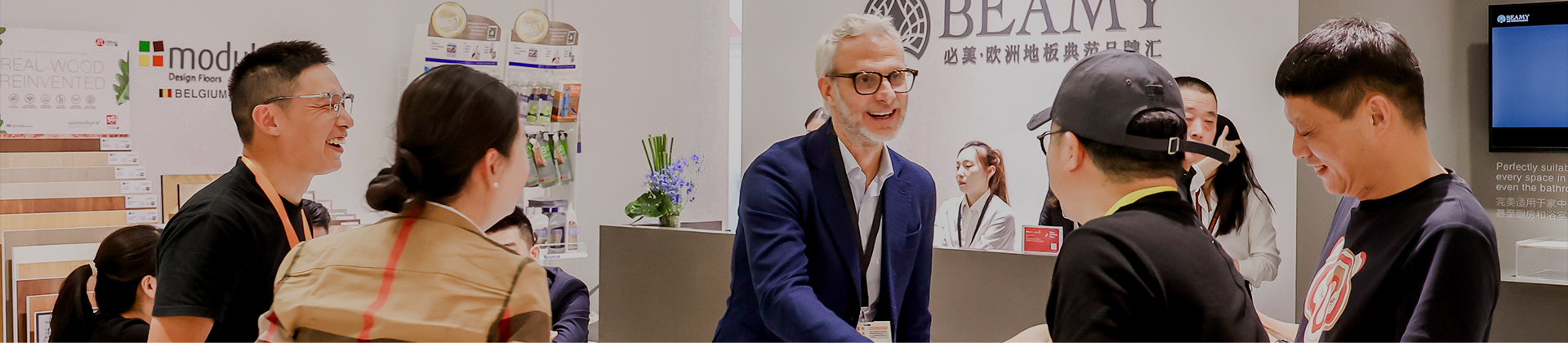
Implementation of Circular Economy ModelThe hotel flooring industry has gradually established a closed loop of "recycling - regeneration - reuse": On one hand, old flooring recycling technology is mature. At DOMOTEX Asia, some suppliers have launched "old flooring recycling programs," crushing waste Luxury Vinyl Tile (LVT) and composite flooring for re-pressing, with a high recycling rate.
II. Functional Scenarioization: "One Material per Area" for Precise Demand Adaptation
Significant differences in usage pain points across different hotel areas (guest rooms, lobbies, bathrooms, restaurants) have driven flooring to transform from "universal" to "scenario-customized," achieving "dual optimization of function and experience":
Guest Rooms: Comfort and Sound Insulation as PrioritiesThe core demands for guest room flooring are "noise reduction, warmth, and ease of maintenance," making cork and sound-insulating composite flooring the mainstream. Cork flooring (accessfloorstore.com) naturally possesses "sound absorption and shock absorption" properties, reducing footsteps and noise from adjacent rooms by more than 25 decibels. Meanwhile, its warm touch avoids the "cold feeling" of ceramic tiles. After adopting cork flooring, a high-end hotel reported a significant increase in guest room sleep satisfaction; sound-insulating composite flooring solves the "abnormal noise" problem of traditional solid wood flooring through a "base material with rubber sound insulation layer" design, meeting the high privacy requirements of business hotels.
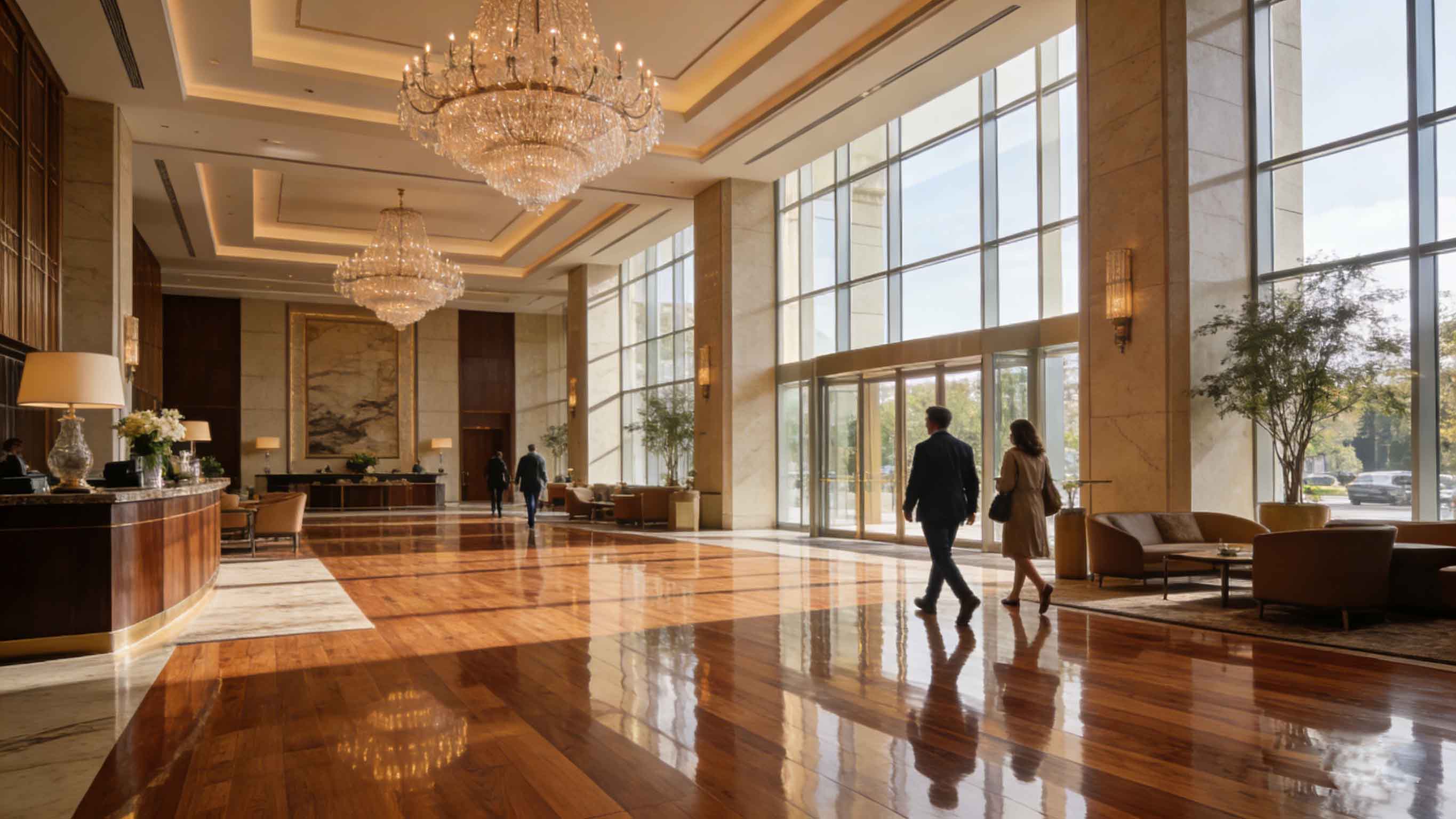
Lobbies: Balance of Texture and Wear ResistanceAs the "first impression space," lobbies need to balance "high-end vision + high-frequency wear resistance." Natural stone, high-quality LVT, and engineered wood flooring are the preferred choices. Natural stone (marble, granite) remains a standard configuration for luxury hotel lobbies due to its "unique texture and luxurious appeal." For example, a five-star hotel uses imported marble flooring with customized patterns, becoming a check-in spot for guests; LVT flooring, with its "stone/wood grain simulation effect and commercial wear resistance of over 9000 revolutions," is a cost-effective choice for mid-range hotels, with cleaning and maintenance costs much lower than those of natural stone.
Special Areas: Breakthroughs in Safety and Weather ResistanceAreas such as bathrooms, restaurants, and stairwells have strict requirements for "waterproofing, slip resistance, and weather resistance":
Bathrooms: Dominated by waterproof LVT and porcelain tiles. These materials offer excellent waterproof performance, allowing direct contact with water without deformation. Meanwhile, the non-slip texture design on the surface increases friction, reducing the risk of slips.
Restaurants: Oil-resistant and stain-resistant flooring (such as Gerflor's stain-resistant flooring) features a "surface stain-resistant coating," enabling easy cleaning of heavy stains like soy sauce and edible oil, greatly improving maintenance efficiency.
Stairwells: Flooring with "UV fading resistance and scratch/wear resistance" solves the pain points of "light fading and high-frequency wear" in stairwells near glass curtain walls, extending the service life to 8 years.
III. Material Innovation: Dual Breakthroughs in Performance and Experience
The accelerated iteration of new material technologies has driven hotel flooring to "overcome traditional shortcomings," achieving qualitative leaps in core performances such as wear resistance, weather resistance, and environmental protection:
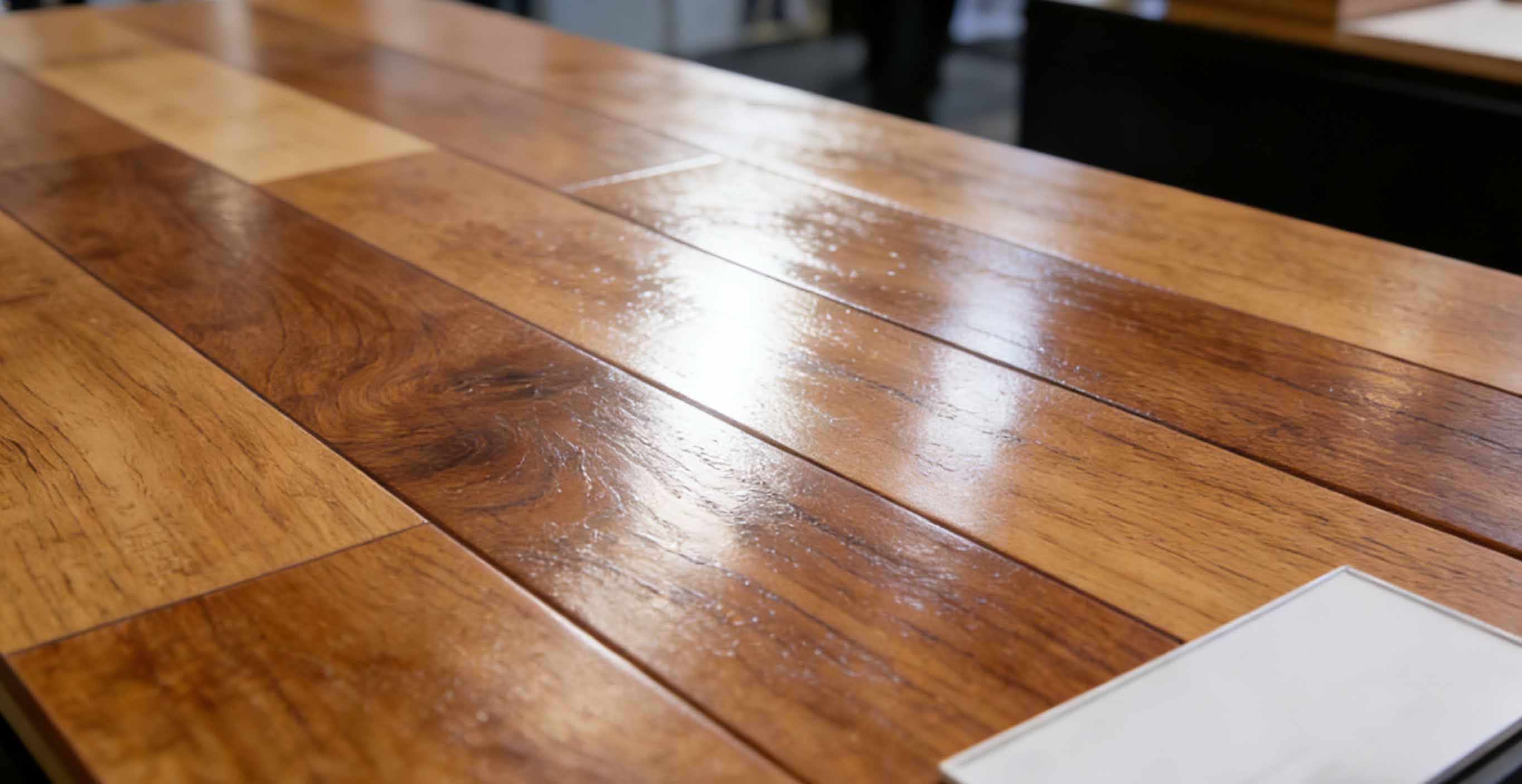
LVT Flooring: Versatility as a "Universal Solution"Luxury Vinyl Tile (LVT) flooring has become the fastest-growing category in 2024-2025 (data from acbgroupinc.com) due to its "multi-scenario adaptation + high cost-effectiveness." Its advantages are concentrated in three aspects:
① High simulation degree, accurately reproducing wood grain and stone texture, even the texture of marble;
② Comprehensive performance, including waterproofing, wear resistance (commercial wear resistance of 8000-12000 revolutions), and scratch resistance, adapting to multiple areas such as lobbies, corridors, and guest rooms;
③ Easy installation, with a click-lock design enabling "glue-free quick installation." During the renovation of a hotel chain, the installation efficiency of LVT flooring was 3 times higher than that of traditional solid wood.
Rise of High-Performance Special MaterialsTargeting extreme scenario needs, special functional materials have gradually become popular:
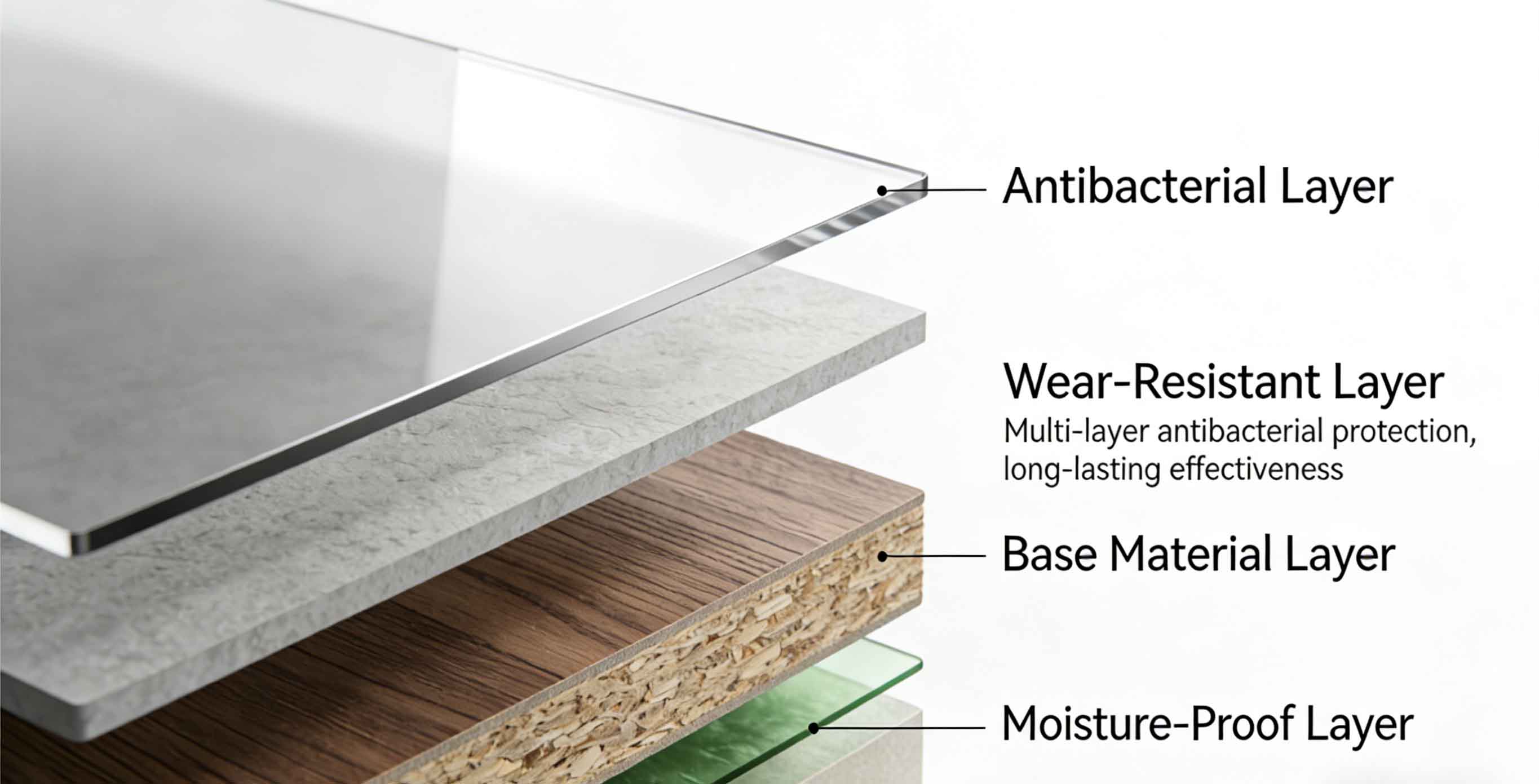
① PVF₂ characteristic surface materials: Their molecular structure resists UV rays, preventing fading under long-term exposure to light. Meanwhile, the dense surface inhibits bacterial growth, making them suitable for high-frequency contact areas such as stairwells and public corridors;
② Recycled plastic composite flooring: Made from recycled PET bottles, each square meter can consume 15 PET bottles, while possessing waterproof and wear-resistant properties. After adoption by an economy hotel, the procurement cost was significantly reduced;
③ Bamboo flooring: With a growth cycle of only 3-5 years (much shorter than the 10-20 years of wood), combined with formaldehyde-free adhesives, it has become a preferred choice for "sustainable and high-quality texture," accounting for 22% of procurement in resort hotels.
Environmental Upgrade of Soft MaterialsSoft flooring such as carpets no longer prioritizes "aesthetics over environmental protection" but transforms towards "low pollution and easy cleaning." For example, high-end hotels adopt blended carpets of "80% New Zealand wool + 20% nylon," retaining the luxurious touch of wool while improving wear resistance through nylon (service life of 15-20 years); meanwhile, antibacterial carpets have become popular.
Through a "surface antibacterial coating," they inhibit the growth of dust mites and bacteria, leading to a significant decrease in complaints from guests with allergies.
IV. Integration of Smart Technology: From "Passive Use" to "Active Empowerment"
With the popularization of the smart hotel concept, hotel flooring has gradually integrated technological elements, becoming a new carrier for "improving operational efficiency and optimizing experience." The core directions include:
Intelligent Monitoring and MaintenanceSome high-end hotels have begun piloting "smart flooring with built-in sensors," real-time monitoring flooring status through IoT technology:
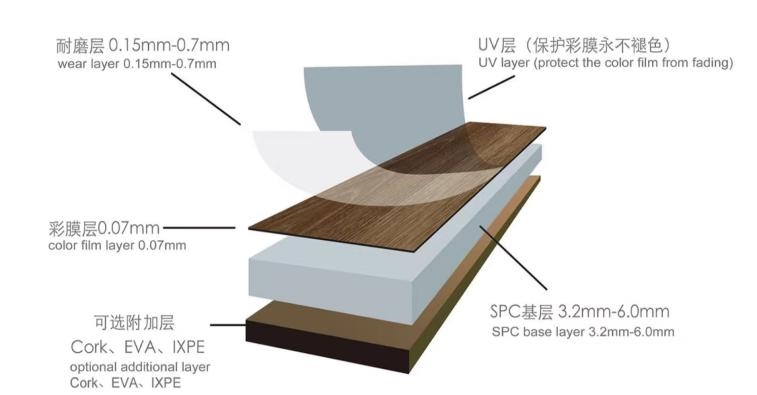
① Wear monitoring: Sensors capture the wear degree of the flooring surface. When the wear layer in a certain area becomes thin, maintenance reminders are automatically sent, avoiding the waste of "needing to replace the entire floor due to local damage";
② Environmental monitoring: Sensors in guest room flooring are linked to air conditioning and fresh air systems, adjusting room temperature and ventilation according to passenger flow. After piloting in a hotel, energy consumption was significantly reduced.
Data-Driven Paving OptimizationBig data technology is used in the design of flooring paving schemes: By analyzing the passenger flow density (such as lobby entrances, elevator halls) and usage frequency (such as convention centers, guest room corridors) of different hotel areas, the selection of flooring materials and paving methods is optimized. For example, an exhibition-type hotel used passenger flow data to adopt high-wear-resistant LVT at the lobby entrance and sound-insulating composite flooring in corridors, meeting durability needs while reducing costs.
Future: Linkage with Smart Home SystemsIndustry forward-looking trends show that hotel flooring will gradually integrate into the smart home ecosystem:
① Inductive interaction: Guest room flooring automatically turns on night lights and adjusts curtains through pressure sensing;
② Health data collection: Some high-end projects are exploring "floor-embedded health monitoring modules," analyzing physical conditions through guests' walking gaits to provide personalized services (such as reminding calcium supplementation, recommending fitness courses). Currently in the pilot stage, this has become a R&D focus of leading hotel groups.
V. Customization and Branding: Flooring as a "Carrier of Brand Expression"
Hotel flooring is no longer "undifferentiated decoration" but conveys brand tone and regional culture through customized design, enhancing guest memory points. It is mainly reflected in two aspects:
Visual Integration of Brand GenesHigh-end hotels integrate brand elements into spaces through customized flooring patterns:
① Some hotels adopt "custom woven carpets," embedding brand logos and slogans in the patterns, or echoing brand VI through colors (such as a high-end hotel using the brand's iconic "deep sea blue" as the main color of the carpet);
② Hotel chains achieve visual consistency across different stores through "unified customized flooring textures," enhancing brand recognition. Data from a group shows that customized flooring increases guests' brand memory by 40%.
Scenario Implementation of Regional CultureResort hotels and boutique hotels tend to adopt "regional element customization," making flooring a medium for "telling local stories":- ① Coastal hotels use "LVT flooring with simulated wave textures," paired with blue tones to create a marine atmosphere;
② Cultural theme hotels use "engineered flooring with simulated ancient architectural wood grain" or integrate local intangible cultural heritage patterns (such as embroidery, totems) into carpets. Through such designs, a resort hotel in an ancient town significantly improved guests' cultural experience satisfaction.
Core Logic Behind the Trends
The five major trends in the hotel flooring industry essentially revolve around "three core goals":
Enhance guest experience: Meet users' needs for "comfort, safety, and personalization" through quiet, warm, and aesthetically pleasing flooring designs;
Reduce operational costs: Features such as quick installation, wear resistance, stain resistance, and recycling reduce renovation time, maintenance costs, and resource waste;
Fulfill environmental responsibilities: Low-carbon materials, circular models, and policy compliance respond to global "dual carbon" goals and enhance brand social value.
In the future, with the further iteration of material technology and smart technology, hotel flooring will more deeply integrate "function, experience, environmental protection, and technology," becoming an important support for the high-quality development of the hotel industry. International exhibitions such as DOMOTEX Asia will continue to serve as "trend release platforms," promoting precise docking between global high-quality flooring solutions and hotel needs.
FAQ
Q: What environmental certifications should hotels mainly focus on when selecting sustainable flooring?
A: Focus on core certifications such as ISO 14001 (environmental management system for production), GREENGUARD (low VOC emission), and LEED (green building compatibility). Some international projects also need to comply with the EU E0 formaldehyde standard.
Q: Why can LVT flooring become the preferred material for multiple hotel scenarios?
A: It combines three major advantages: high simulation degree (reproducing wood/stone texture), comprehensive performance (waterproof, wear-resistant, scratch-resistant), and easy installation (click-lock design for glue-free quick paving), adapting to all areas such as lobbies, guest rooms, and restaurants.
Q: Is the application of smart flooring in hotels mature currently?
A: Basic functions (wear monitoring, environmental linkage) have been piloted in high-end hotels with high technical maturity; forward-looking functions such as health monitoring are still in the R&D stage and have not been widely popularized.
Q: Will customized hotel flooring significantly increase procurement costs?
A: Not necessarily. Mid-to-low-end customization (such as unified texture, brand color adaptation) costs only 5%-10% higher than conventional products; high-end customization (intangible cultural heritage patterns, exclusive textures) increases costs by about 20%-30%, but can significantly enhance brand recognition.
Q: How should hotels in humid areas select suitable flooring?
A: Prioritize LVT flooring with a waterproof rating of IPX7 or higher, porcelain tiles, or moisture-proof treated bamboo flooring. Avoid solid wood flooring (prone to moisture and deformation). Meanwhile, use moisture-proof mats and sealants to enhance protection.
Q: Which is more suitable for hotel guest rooms: cork flooring or sound-insulating composite flooring?
A: Choose cork flooring for ultimate sound insulation and warm touch; opt for sound-insulating composite flooring for cost-effectiveness and ease of maintenance. Both can meet the core demands of "noise reduction and comfort" for guest rooms.
Q: Is the recycling and regeneration process of old hotel flooring complicated?
A: No. The recycling services provided by participating suppliers first disassemble and classify flooring materials, then crush them to reprocess into recycled base materials. The recycling rate reaches 80%, and the recycling cost is 30% lower than the procurement cost of new materials.
Q: What will be the core technological breakthrough direction of the hotel flooring industry in the next 3-5 years?
A: The core direction is "smart integration + low-carbon upgrade," i.e., more mature IoT monitoring flooring, recycled materials with a recycling rate of over 90%, and inductive flooring linked to smart home systems.
Q: Through DOMOTEX Asia, which suppliers related to hotel flooring trends can be connected?
A: It can accurately connect suppliers of various trending products such as sustainable flooring, quick-installation flooring, scenario-customized flooring, and smart flooring. Personalized matching can also be obtained through the Buyer Club service.


 May 26-28, 2027
 National Exhibition and Convention Center (Shanghai)